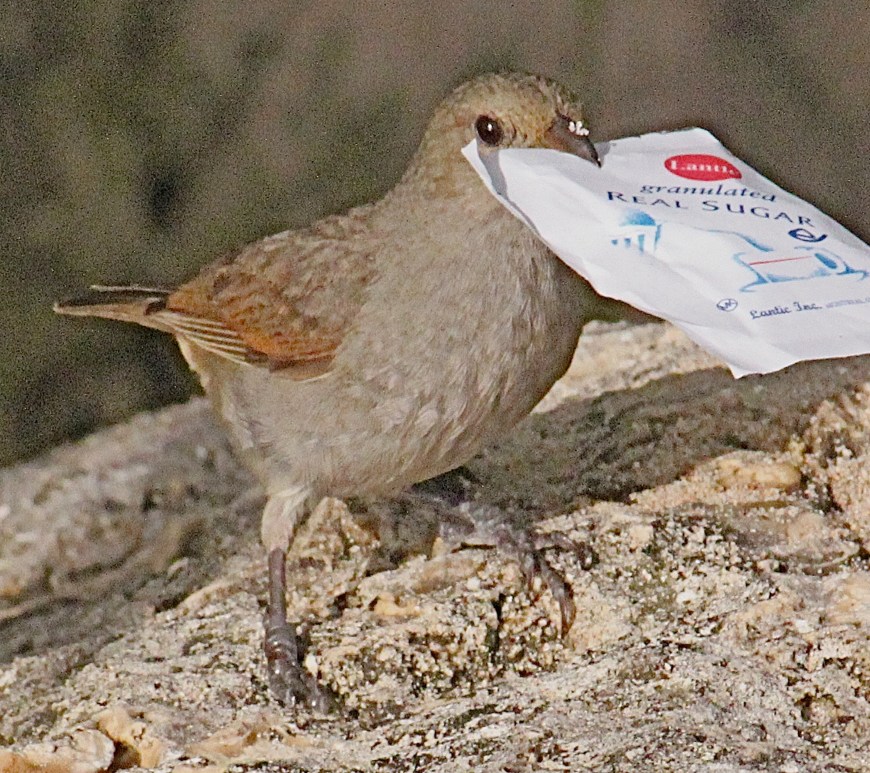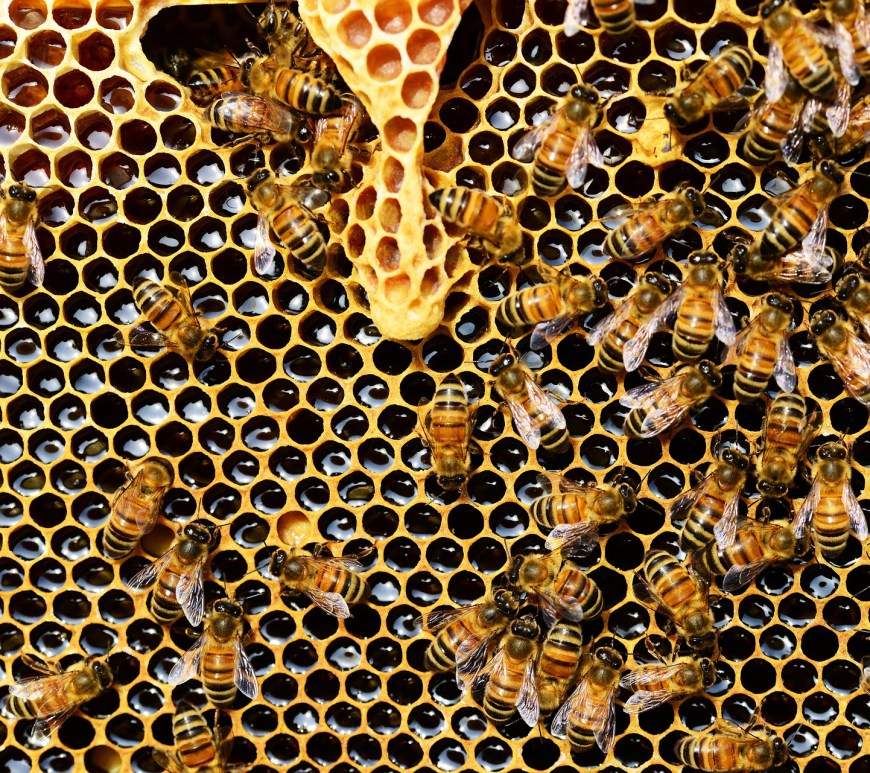
Meet the Editor: Lesley Lancaster

What do you remember of the first paper you published? My first first-authored paper was ‘Adaptive social and maternal induction of antipredator dorsal patterns in a lizard with alternative social strategies’ (with Andrew McAdam, John Wingfield and Barry Sinervo as coauthors, Ecology Letters, 2007). This was a cool paper because we actually made a really exciting discovery—treating embryonic side blotched lizards with estradiol resulted in … Continue reading Meet the Editor: Lesley Lancaster

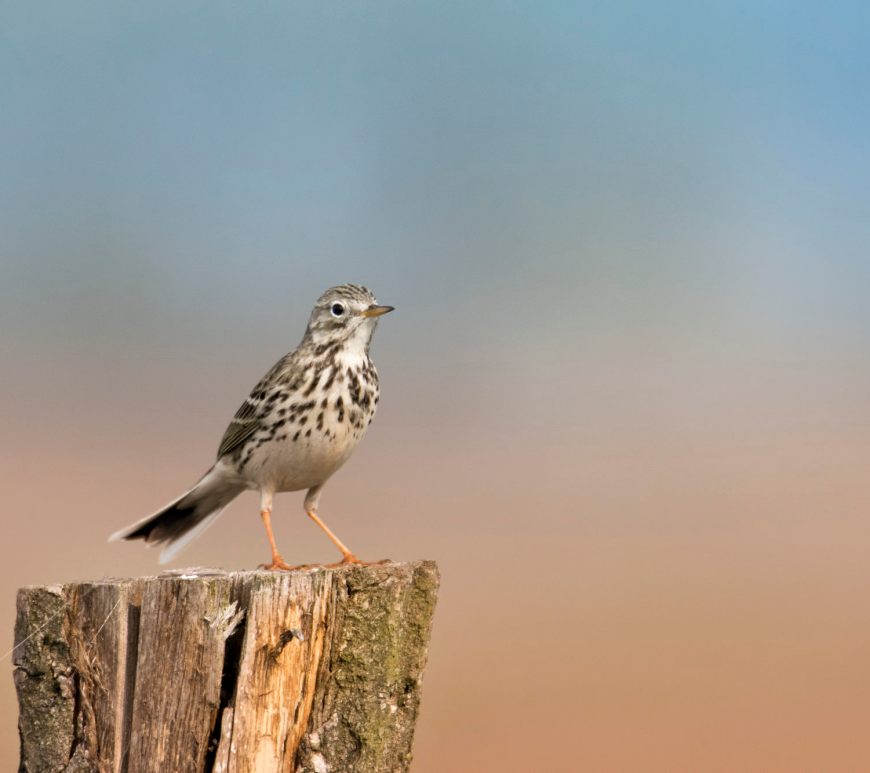
Meet the Editor: Darren Evans

What do you remember of the first paper you published? I was an undergraduate working on my final year dissertation examining the impacts of recreational disturbance on wintering wildfowl. My supervisor could see the significance of the results and encouraged me to publish. Like most students trying to publish their first paper it felt like a ‘baptism of fire’ but I’ll always be thankful to … Continue reading Meet the Editor: Darren Evans

Call for papers: Special Feature on citizen science

Ecological projects involving citizen scientists have rapidly increased in number and there is now a general consensus that they can produce high-quality data. Citizen science projects generate large datasets that allow novel ecological questions to be addressed, but can require developing both new analytical tools to handle big data and large open-data platforms. Citizen science projects can also play an important role in engaging people with … Continue reading Call for papers: Special Feature on citizen science

Echolocating bats can use the social information provided by the calls of other bats to help find food

This blog post is provided by the Acoustic & Functional Ecology Group at the Max Plank Institute for Ornithology and describes a bat tour to the local lake and how bats use social information to help find food. “Imagine trying to navigate and hunt tiny insects in the open air within cluttered forests in total darkness”, Daniel invites. “Using purely acousticecholocation. No other animals than … Continue reading Echolocating bats can use the social information provided by the calls of other bats to help find food

How to make the most out of machine learning models and what can go wrong

In the latest issue of the journal we have a new ‘How to…’ paper lead by Nick Fountain‐Jones from the University of Tasmania on How to make more from exposure data? An integrated machine learning pipeline to predict pathogen exposure. In this blog, Nick goes beyond the paper and discusses 5 mistakes and things to look out for when not only running the pipeline presented in … Continue reading How to make the most out of machine learning models and what can go wrong

The multiple facets of behavioural plasticity: A symposium at Behaviour 2019 and a celebration for Louis Lefebvre

Behavioural plasticity is an important concept in ecology and evolution. The term has been applied to a broad range of biological phenomena, from developmental changes occurring in a canalized fashion during ontogeny, to dynamic responses of animals to prevailing ecological and social conditions, and longer-term behavioural changes brought about by learning and memory. On July 24th at the Behaviour meeting in Chicago, the symposium Behavioural … Continue reading The multiple facets of behavioural plasticity: A symposium at Behaviour 2019 and a celebration for Louis Lefebvre

New Associate Editors

We are pleased to welcome Rob Salguero-Gómez, University of Oxford, Hannah White, University Colluge Dublin and Elise Zipkin, Michigan State University to the Journal of Aniamal Ecology Associate Editor Board. Rob Salguero-Gómez Rob’s research examines (i) the evolution of -and escape from- senescence across a wide range of species (e.g. seabirds, koalas, humans, flatworms, plants, etc.) and ecosystems, (ii) the usage of functional-trait approaches to … Continue reading New Associate Editors

Climate impacts on trophic interactions in grasslands

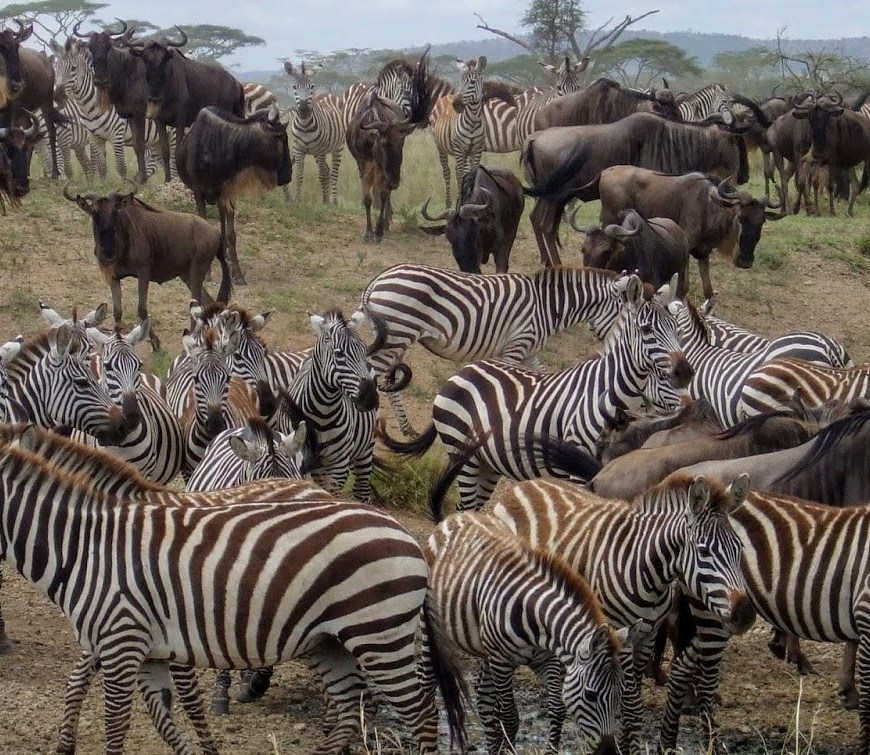
By Colin Beale and Sue Hartley Over the past few weeks the BES journal blogs have been taking a look at the impacts of climate change on grasslands, celebrating the recent publication of David Gibson and Jonathan Newman’s new edited book on the subject. For many people, grasslands bring to mind wildlife documentaries showing lines of thirsty wildebeests trekking across drying grasslands and dodging hungry … Continue reading Climate impacts on trophic interactions in grasslands

BES Journal Blogs Round Up: March 2019

March was a busy month across the British Ecological Society blogs. Methods in Ecology and Evolution and Journal of Animal Ecology launched an open call for submissions for a joint Special Feature on Animal Social Network Analysis. People and Nature published their first every issue with a whistle stop tour of every paper in picture form and Journal of Ecology brought us some stunning photos from … Continue reading BES Journal Blogs Round Up: March 2019

Animal Social Networks: Joint Special Feature Open Call

The recent focus on the study of animal social networks has led to some fundamental new insights. These have spanned across fields in ecology and evolution, ranging from epidemiology and learning through to evolution and conservation. Whilst network analysis has been used to address questions about sociality, food webs, bipartite networks and more over the past decade it is now extending into a wider variety … Continue reading Animal Social Networks: Joint Special Feature Open Call