Self-medication: how to use macronutrients to better survive infections

This blog post is provided by Fleur Ponton, Senior Lecturer in Insect Biology at  Macquarie University in Sydney, Australia. Fleur and her team are investigating the relationship between nutrition, immunology and gut microbiota, primarily using flies as model species, this blog discusses her recent paper in the journal. Infection and nutrition are intimately linked. Nutrients in the diet play a fundamental role in sustaining an … Continue reading Self-medication: how to use macronutrients to better survive infections

Meet the Editor: Darren Evans

What do you remember of the first paper you published? I was an undergraduate working on my final year dissertation examining the impacts of recreational disturbance on wintering wildfowl. My supervisor could see the significance of the results and encouraged me to publish. Like most students trying to publish their first paper it felt like a ‘baptism of fire’ but I’ll always be thankful to … Continue reading Meet the Editor: Darren Evans

Echolocating bats can use the social information provided by the calls of other bats to help find food

This blog post is provided by the Acoustic & Functional Ecology Group at the Max Plank Institute for Ornithology and describes a bat tour to the local lake and how bats use social information to help find food. “Imagine trying to navigate and hunt tiny insects in the open air within cluttered forests in total darkness”, Daniel invites. “Using purely acousticecholocation. No other animals than … Continue reading Echolocating bats can use the social information provided by the calls of other bats to help find food

How to make the most out of machine learning models and what can go wrong

In the latest issue of the journal we have a new ‘How to…’ paper lead by Nick Fountain‐Jones from the University of Tasmania on How to make more from exposure data? An integrated machine learning pipeline to predict pathogen exposure. In this blog, Nick goes beyond the paper and discusses 5 mistakes and things to look out for when not only running the pipeline presented in … Continue reading How to make the most out of machine learning models and what can go wrong

Determinants of micro- and macroparasite diversity in birds: the fruits of comparing apples and oranges

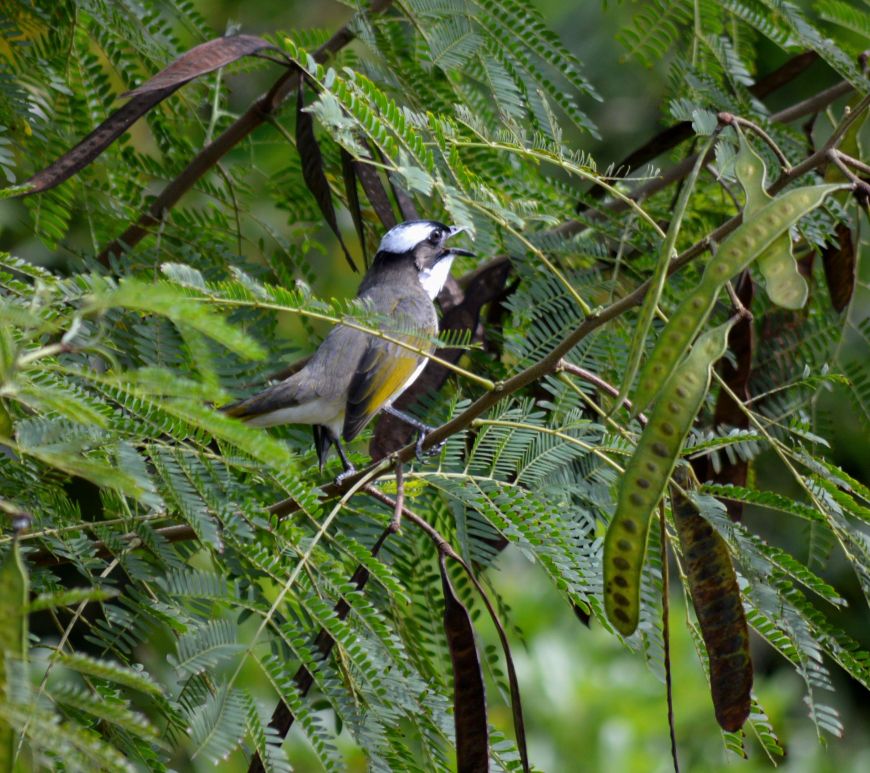
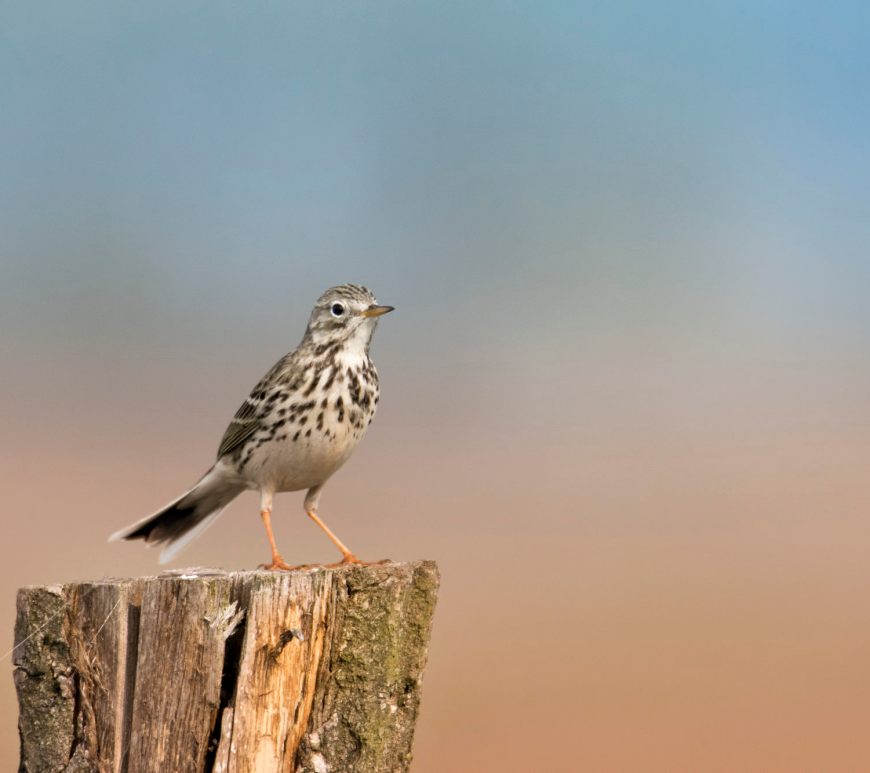
Identifying the factors shaping variation in parasite diversity among host species is crucial to understand wildlife diseases. A recent paper in Journal of Animal Ecology investigated the role of host life history and ecology in explaining the species richness of micro- and macro-parasites in birds world-wide. Lead author Dr Jorge Sanchez Gutierrez explains more about the study. The phrase “comparing apples and oranges” is often … Continue reading Determinants of micro- and macroparasite diversity in birds: the fruits of comparing apples and oranges

The invisible interplay between herbivorous insects and their monitoring ants on a chemically diverse plant

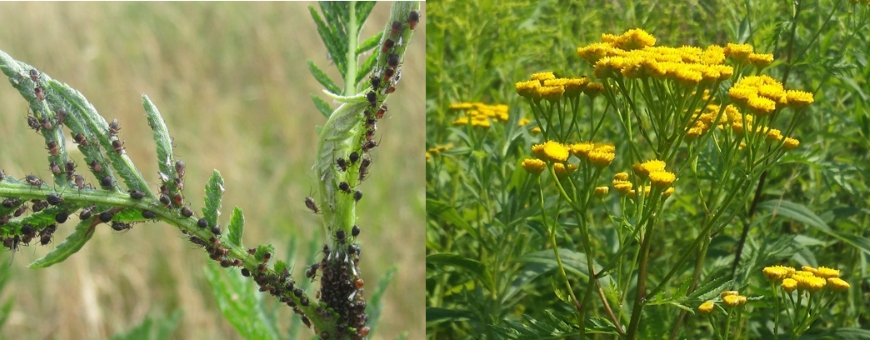
Plants exhibit impressive genetic and chemical diversity, and this variation is important for structuring ecological communities. A recent paper in the Journal of Animal Ecology investigated this with regard to aphids and their host-plant tansy. Lead author Dr Sharon Zytynska from the Technical University of Munich tells us more about this study. The perennial tansy plant (Tanacetum vulgare) grows steadily throughout the spring, producing heads … Continue reading The invisible interplay between herbivorous insects and their monitoring ants on a chemically diverse plant

Manipulation of gut microbiota during critical developmental windows affect host physiological performance and disease susceptibility across ontogeny

Colonisation of gut microbiomes during early life can shape metabolism and immunity of adult animals. However, most data are derived from antibiotic‐treated or germ‐free laboratory mammals. Furthermore, few studies have explored how microbial colonization during critical windows influences a suite of other fitness‐related traits in wild animals. A recent study in the Journal of Animal Ecologytested whether hatching constitutes a critical development window for microbiome … Continue reading Manipulation of gut microbiota during critical developmental windows affect host physiological performance and disease susceptibility across ontogeny

Climate impacts on trophic interactions in grasslands

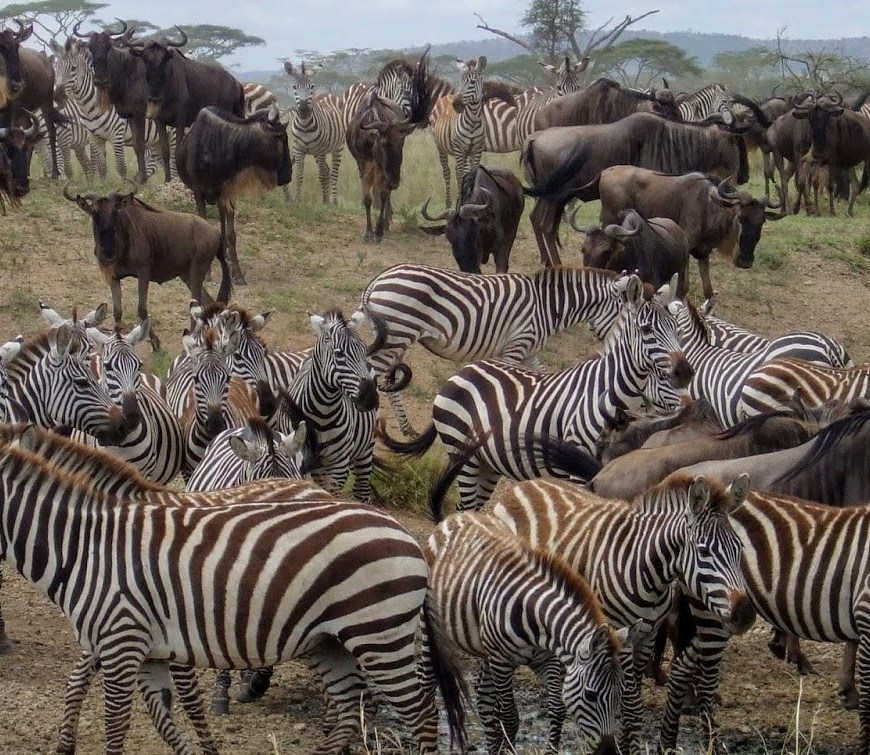
By Colin Beale and Sue Hartley Over the past few weeks the BES journal blogs have been taking a look at the impacts of climate change on grasslands, celebrating the recent publication of David Gibson and Jonathan Newman’s new edited book on the subject. For many people, grasslands bring to mind wildlife documentaries showing lines of thirsty wildebeests trekking across drying grasslands and dodging hungry … Continue reading Climate impacts on trophic interactions in grasslands

Which GLM?

Many papers refer to the use of GLMs in their analyses – but are you sure you know to which statistical approach they refer? Professor Daniel Blumstein and Associate Professor Noa Pinter-Wollman (University of California, Los Angeles) are here to clear up any confusion, and suggest a path going forwards… Statistics have evolved rapidly and the proliferation of acronyms sometimes creates novel problems, particularly for … Continue reading Which GLM?

Do spatial sampling scales influence the understanding of ant-plant interaction network architecture?

Despite great interest in metrics to quantify the structure of ecological networks, the effects of sampling and scale remain poorly understood. However, a recent paper published in Journal of Animal Ecology seeks to change this! Lead author Dr Wesley Dáttilo (Instituto de Ecologia, Mexico) explains how studying ant-plant interaction networks helped develop a better understanding of spatial sampling scales. We know that no single species … Continue reading Do spatial sampling scales influence the understanding of ant-plant interaction network architecture?