Guppies only avoid infected shoalmates when they pose the highest risk of transmission

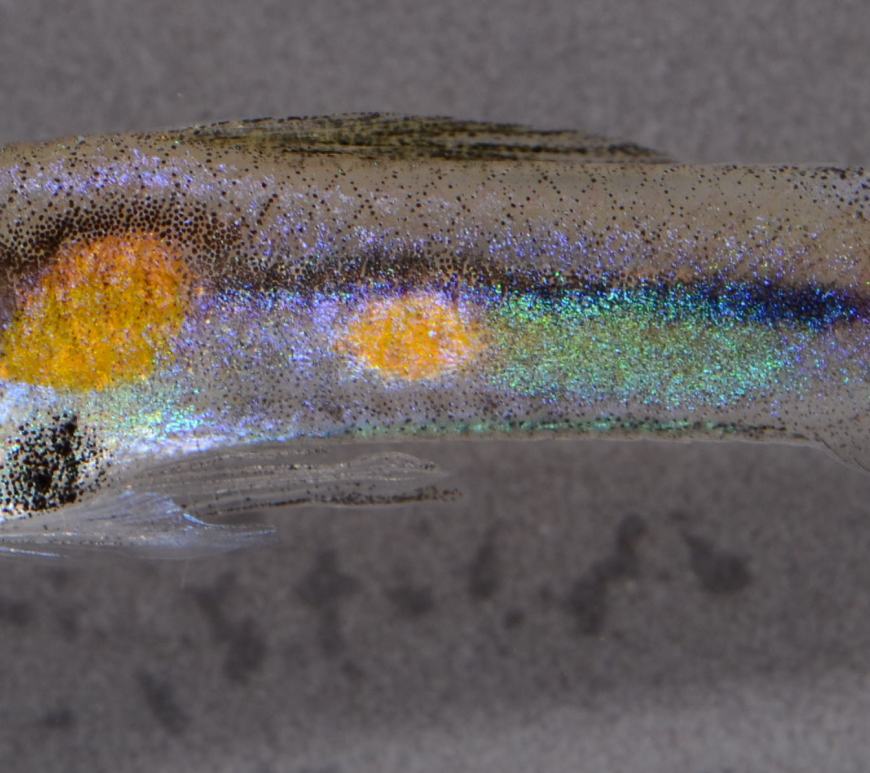
Jess Stephenson is a new Assistant Professor at the University of Pittsburgh, USA. She is interested in factors affecting the spread of infectious diseases through natural populations, and how these ecological factors might affect the evolution of both host and parasite. Here, she describes her most recent paper on the role of host behaviour in disease transmission and shares the #StoryBehindThePaper. Across animal taxa, individuals … Continue reading Guppies only avoid infected shoalmates when they pose the highest risk of transmission

Understanding ecosystem function (and each other)

Proponents of interdisciplinary work can range from grant reviewers to department chairs, but what goes into this type of collaboration? Alva Curtsdotter (ecologist) and Amanda Laubmeier (mathematician) talk about the process behind their recent paper on dynamic food web modelling. Alva: There has for some time now been an increasing interest in using dynamic food web models in ecosystem function research. These mathematical models describe … Continue reading Understanding ecosystem function (and each other)

Streamlining Biologging Technology

The understanding of the interplay of movement, behaviour and physiology that biologging offers has applied relevance for a range of fields, including evolutionary ecology, wildlife conservation and behavioural ecology. In recognition of this, the Journal of Animal Ecology has an upcoming Special Feature on Biologging  (submissions due 20th September). Bio-telemetry devices are used ubiquitously across vertebrates in studies of movement and behavioural ecology and can provide scientists with … Continue reading Streamlining Biologging Technology

Stopovers for sickly songbirds

The understanding of the interplay of movement, behaviour and physiology that biologging offers has applied relevance for a range of fields, including evolutionary ecology, wildlife conservation and behavioural ecology. In recognition of this, the Journal of Animal Ecology has an upcoming Special Feature on Biologging  (submissions due 20th September). This blog posts is written to accompany a recent publication in the Journal of Animal Ecology. Lead-author Dr Arne … Continue reading Stopovers for sickly songbirds

I Set Out To Track Birds, but Ended Up Tracking Predators

The understanding of the interplay of movement, behaviour and physiology that biologging offers has applied relevance for a range of fields, including evolutionary ecology, wildlife conservation and behavioural ecology. In recognition of this, the Journal of Animal Ecology has an upcoming Special Feature on Biologging  (submissions due 20th September). But sometimes, you don’t end up tracking exactly what you expect… This was the case for Dylan Smith, an … Continue reading I Set Out To Track Birds, but Ended Up Tracking Predators

Biologging: squiggly lines, new methods and big ideas

The understanding of the interplay of movement, behaviour and physiology that biologging offers has applied relevance for a range of fields, including evolutionary ecology, wildlife conservation and behavioural ecology. In recognition of this, the Journal of Animal Ecology has an upcoming Special Feature on Biologging  (submissions due 20th September). An advantage of biologging is that it can be applied to a wide range of animal species. To demonstrate … Continue reading Biologging: squiggly lines, new methods and big ideas

Stressed-Out Squirrels

A recently-published paper in the Journal of Animal Ecology has discovered that the grey squirrel (one of the most impacting alien invasive species in Europe) causes an increase in chronic stress in the native red squirrel. Lead author Dr Francesca Santicchia is a research fellow at the University of Insubria in Italy. She had studied the relationships among parasites, physiological stress, and personality in grey squirrel … Continue reading Stressed-Out Squirrels

Defining a mating system of a cryptic deer species

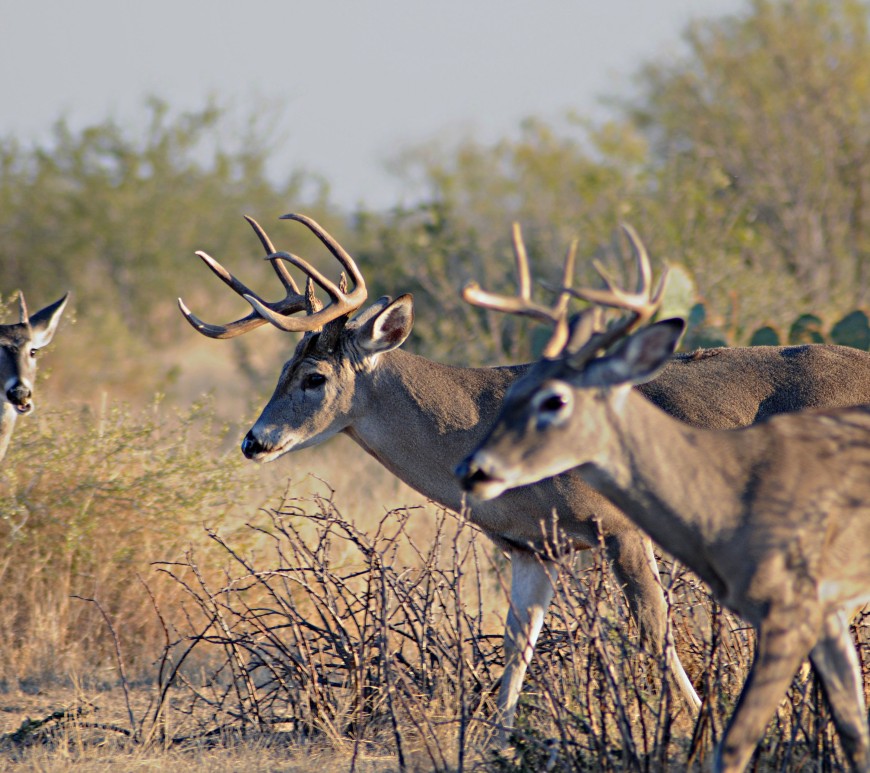
The understanding of the interplay of movement, behaviour and physiology that biologging offers has applied relevance for a range of fields, including evolutionary ecology, wildlife conservation and behavioural ecology. In recognition of this, the Journal of Animal Ecology has an upcoming Special Feature on Biologging  (submissions due 20th September). A benefit of biologging is that it provides the opportunity to study animals that are notoriously difficult to directly … Continue reading Defining a mating system of a cryptic deer species

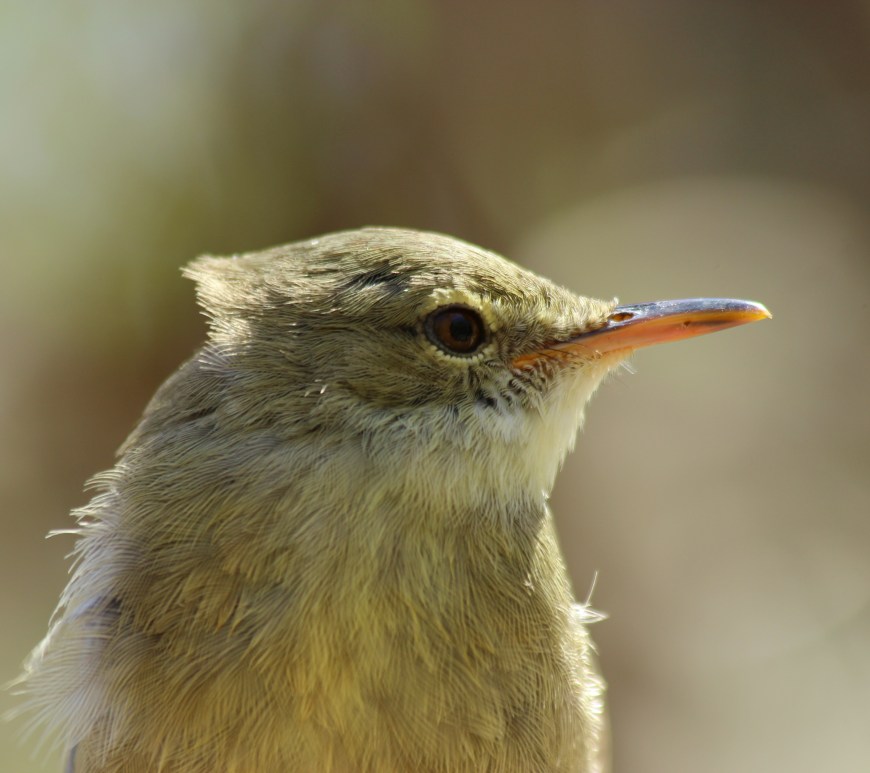
Why island birds sometimes move in with strangers

In many animal species, young stay with their parents long after they have become sexually mature. Why individuals delay dispersal and independent breeding is an interesting question from an evolutionary viewpoint because individuals are expected to pass on as many genes as possible to future generations. In the Seychelles warbler, a group-living species, opportunities for independent breeding are limited, and dispersal attempts can be seen … Continue reading Why island birds sometimes move in with strangers

Ecological inference from occupancy estimates depends on sampling scale

Understanding animal occupancy should be relatively simple – but actually requires some complex thinking. In this blog post, Jonathon J. Valente (Postdoctoral Fellow, Smithsonian Conservation Biology Institute, Migratory Bird Center) and Quresh S. Latif (Biometrician, Bird Conservancy of the Rockies) delve into the surprisingly tricky question of ‘how many sites are occupied?‘ Occupancy has long been a focus in ecology. Estimating probability of site occupancy … Continue reading Ecological inference from occupancy estimates depends on sampling scale