Stressed-Out Squirrels

A recently-published paper in the Journal of Animal Ecology has discovered that the grey squirrel (one of the most impacting alien invasive species in Europe) causes an increase in chronic stress in the native red squirrel. Lead author Dr Francesca Santicchia is a research fellow at the University of Insubria in Italy. She had studied the relationships among parasites, physiological stress, and personality in grey squirrel … Continue reading Stressed-Out Squirrels

Defining a mating system of a cryptic deer species

The understanding of the interplay of movement, behaviour and physiology that biologging offers has applied relevance for a range of fields, including evolutionary ecology, wildlife conservation and behavioural ecology. In recognition of this, the Journal of Animal Ecology has an upcoming Special Feature on Biologging  (submissions due 20th September). A benefit of biologging is that it provides the opportunity to study animals that are notoriously difficult to directly … Continue reading Defining a mating system of a cryptic deer species

Why island birds sometimes move in with strangers

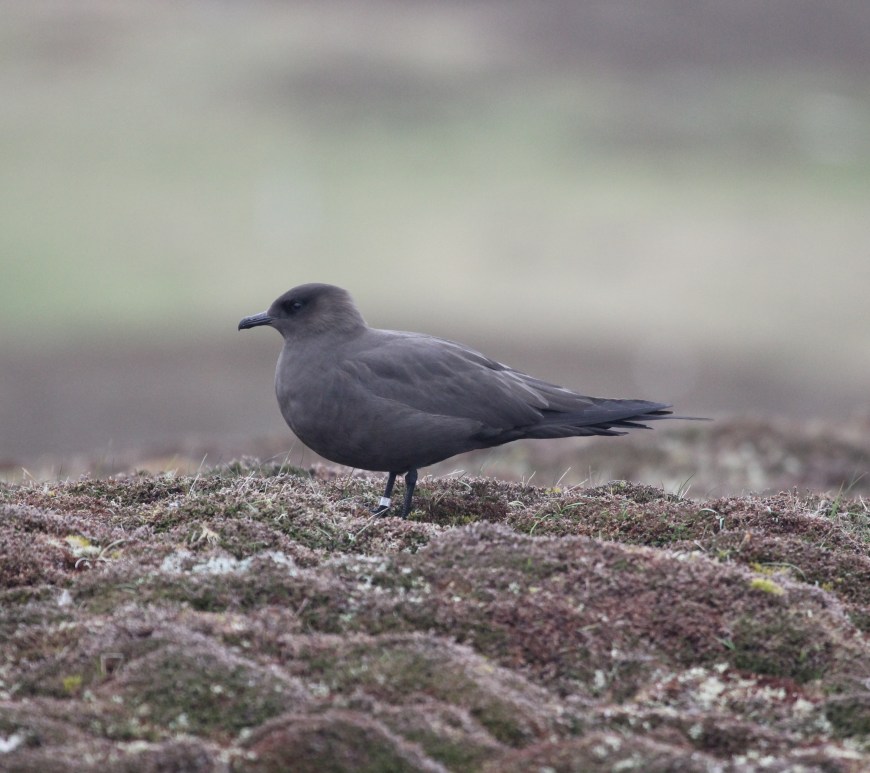
In many animal species, young stay with their parents long after they have become sexually mature. Why individuals delay dispersal and independent breeding is an interesting question from an evolutionary viewpoint because individuals are expected to pass on as many genes as possible to future generations. In the Seychelles warbler, a group-living species, opportunities for independent breeding are limited, and dispersal attempts can be seen … Continue reading Why island birds sometimes move in with strangers

Ecological inference from occupancy estimates depends on sampling scale

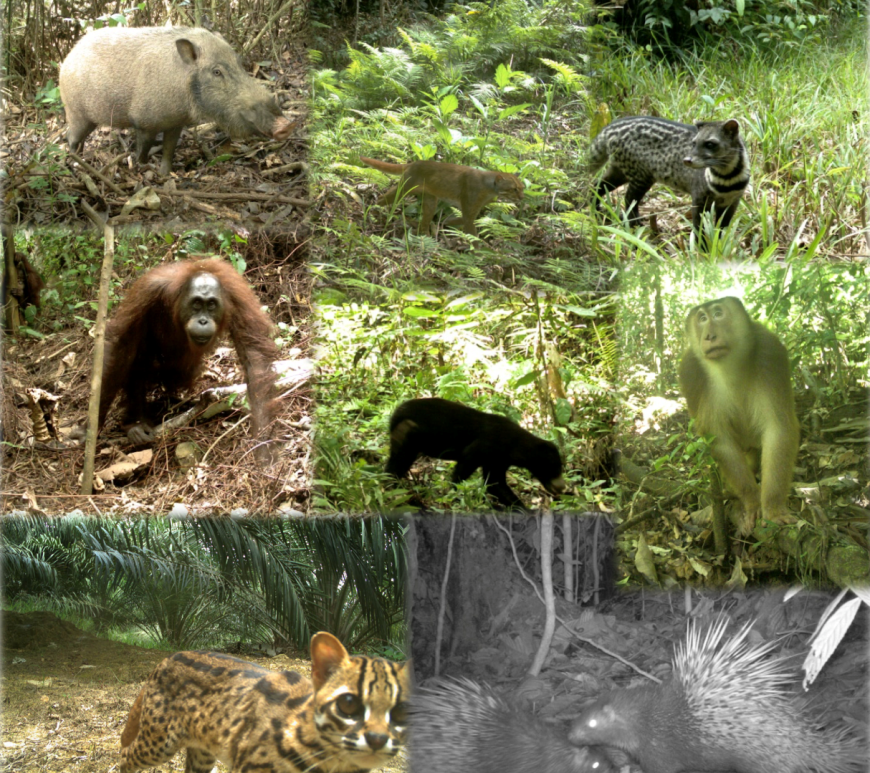
Understanding animal occupancy should be relatively simple – but actually requires some complex thinking. In this blog post, Jonathon J. Valente (Postdoctoral Fellow, Smithsonian Conservation Biology Institute, Migratory Bird Center) and Quresh S. Latif (Biometrician, Bird Conservancy of the Rockies) delve into the surprisingly tricky question of ‘how many sites are occupied?‘ Occupancy has long been a focus in ecology. Estimating probability of site occupancy … Continue reading Ecological inference from occupancy estimates depends on sampling scale

Effects of a maternal stress hormone across life stages

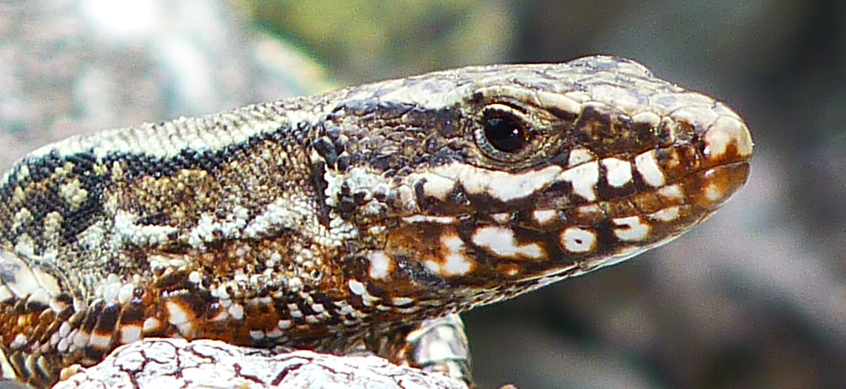
Anthropogenic disturbance is a growing threat, and the physiological consequences of exposure to such stressors is gaining increasing attention. A recent paper published in the Journal of Animal Ecology explores the consequences of stress-relevant hormones for mothers and their offspring. David Ensminger, lead author of the study, is finishing up his PhD with Dr. Tracy Langkilde, taking an integrative approach to examining the role stress-relevant … Continue reading Effects of a maternal stress hormone across life stages

Biologging around the clock

The understanding of the interplay of movement, behaviour and physiology that biologging offers has applied relevance for a range of fields, including evolutionary ecology, wildlife conservation and behavioural ecology. In recognition of this, the Journal of Animal Ecology has an upcoming Special Feature on Biologging  (submissions due 20th September). A great advantage of biologging is that it allows data collection from some of the toughest environments on Earth. … Continue reading Biologging around the clock

A Collaborative Approach to Mapping Marine Megafauna Movements

The understanding of the interplay of movement, behaviour and physiology that biologging offers has applied relevance for a range of fields, including evolutionary ecology, wildlife conservation and behavioural ecology. In recognition of this, the Journal of Animal Ecology has an upcoming Special Feature on Biologging  (submissions due 20th September). One of the issues when studying the movements of large animals is the fact that they cover large distances. … Continue reading A Collaborative Approach to Mapping Marine Megafauna Movements

Biologging in a remote world

The understanding of the interplay of movement, behaviour and physiology that biologging offers has applied relevance for a range of fields, including evolutionary ecology, wildlife conservation and behavioural ecology. In recognition of this, the Journal of Animal Ecology has an upcoming Special Feature on Biologging  (submissions due 20th September). There are many different types of biologging devices. Here, Aimee Hoover from the University of Maryland tells us about … Continue reading Biologging in a remote world

Aging in Eagles

For many species, breeding performance changes as an individual ages. So in order to properly monitor and manage animal populations, it is important to understand how different species age. But this is easier said than done! A recent paper published in the Journal of Animal Ecology used a unique dataset from a reintroduced population of white‐tailed eagles in Scotland to study age‐ and sex‐specific trends. Lead author … Continue reading Aging in Eagles

Using crowd-sourced funding to track snakes

The understanding of the interplay of movement, behaviour and physiology that biologging offers has applied relevance for a range of fields, including evolutionary ecology, wildlife conservation and behavioural ecology. In recognition of this, the Journal of Animal Ecology has an upcoming Special Feature on Biologging  (submissions due 20th September). Unfortunately, animal-borne tags don’t come cheap. This was the problem recently-completed PhD student Ashleigh Wolfe faced … Continue reading Using crowd-sourced funding to track snakes