Parasitism and Host Diet Quality in Natural Populations

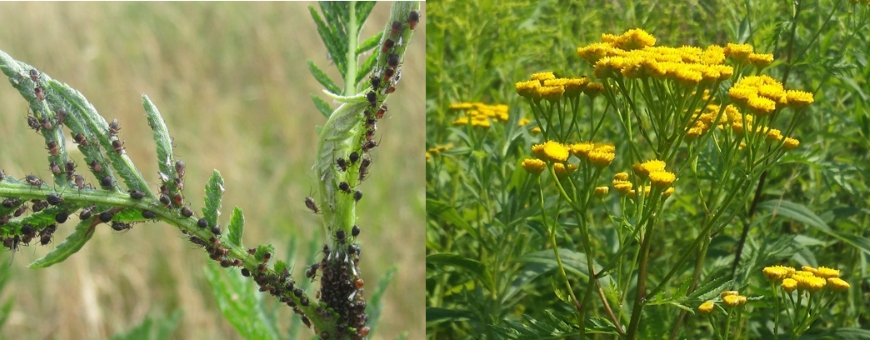
Parasite-host relationships can be amazingly complex. Parasites can even alter host diets. But how exactly does this work? Dr Charlotte Narr, a Research Scientist at Colorado State University’s Natural Resource Ecology Laboratory, recently published an article on just this topic in the Journal of Animal Ecology.  When you’re sick, your relationship with food changes. You might lose your appetite or have trouble digesting certain foods. Pregnancy … Continue reading Parasitism and Host Diet Quality in Natural Populations

Live fast, don’t die young

Understanding the trade-offs between survival and reproduction is essential for the study of population dynamics. A recent paper in the Journal of Animal Ecology used a novel statistical framework to reveal previously unknown life-cycle trends for two sympatric bat species. Lead author Dr Antica Culina from the University of Oxford and Netherlands Institute of Ecology, explains the research. Survival and reproduction both require energy, which is generally … Continue reading Live fast, don’t die young

A high cost of infidelity for swift parrots

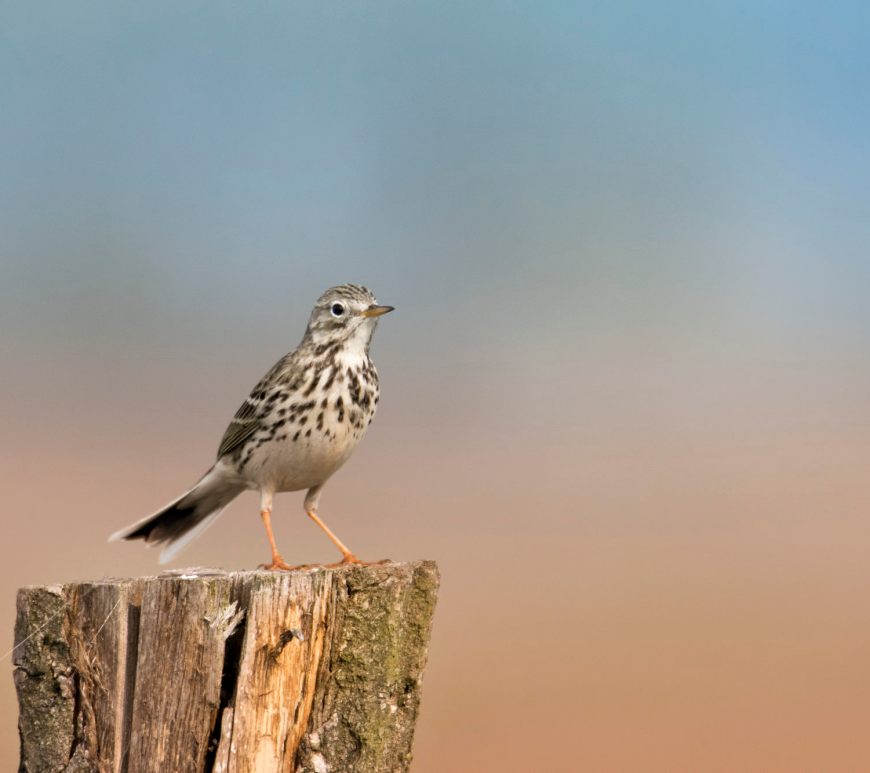
A recent paper published in the Journal of Animal Ecology has found that a chronic shortage of females in a critically endangered parrot species has led to love triangles, sneaky sex on the side, increased fighting between males, and fewer babies.  Here to tell us more are three of the authors: Rob Heinsohn, George Olah, and Dejan Stojanovic. Most birds are at least socially monogamous, … Continue reading A high cost of infidelity for swift parrots

Penguin niche-partitioning resilient to climate change

Competition for limited food resources can be particularly fierce where similarly-related species overlap. Harriet L. Clewlow is a PhD student based at the British Antarctic Survey and linked with University of Exeter and WWF (World Wide Fund for Nature). Her research investigates how climate change is altering interactions between sympatric Antarctic penguin species and predicting their responses to future climate scenarios. Competition is a widely studied … Continue reading Penguin niche-partitioning resilient to climate change

Explaining population variability in marine fishes

Populations are not stable. But despite decades of study, the drivers of population variability are yet to be fully understood. A new study in the Journal of Animal Ecology suggests that somatic growth variation can be as important as early life‐history survival in driving population fluctuations in some marine fish species. Quantitative ecologist Dr Christine Stawitz led the study as part of her dissertation research with … Continue reading Explaining population variability in marine fishes

The baboons of Amboseli

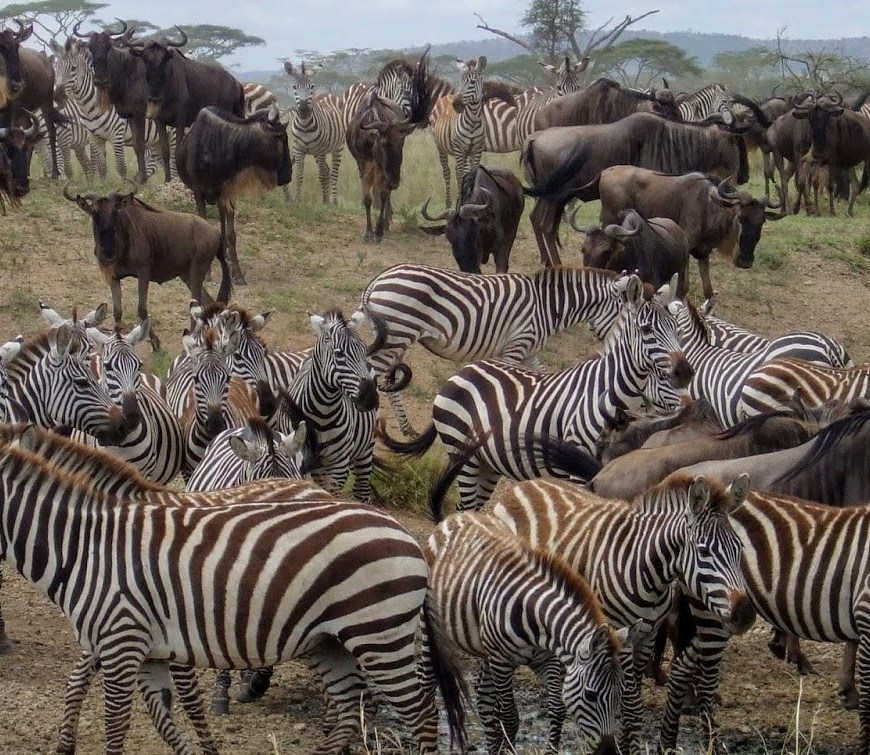
Founded in 1971, the Amboseli Baboon Project is one of the longest-running studies of wild primates in the world. The project centres on the savannah baboon, Papio cynocephalus that lives in the Amboseli basin of southern Kenya and tracks hundreds of known individuals in several social groups over the course of their entire lives. With over 40 years of data, the project can answer questions … Continue reading The baboons of Amboseli

A Colourful Distribution

Skinks come in a variety of colours and patterns. But why and how are these colour polymorphisms maintained? Genevieve Matthews, a PhD student at Monash University, has been studying skinks for four years. Her research examines the maintenance of genetic variation in the form of colour pattern polymorphism in the delicate skink, and the costs associated with sexual conflict. Here, Genevieve summarises her recent publication … Continue reading A Colourful Distribution

Go Big or Go Home: Pitcher plant hosts and their crab spider tenants

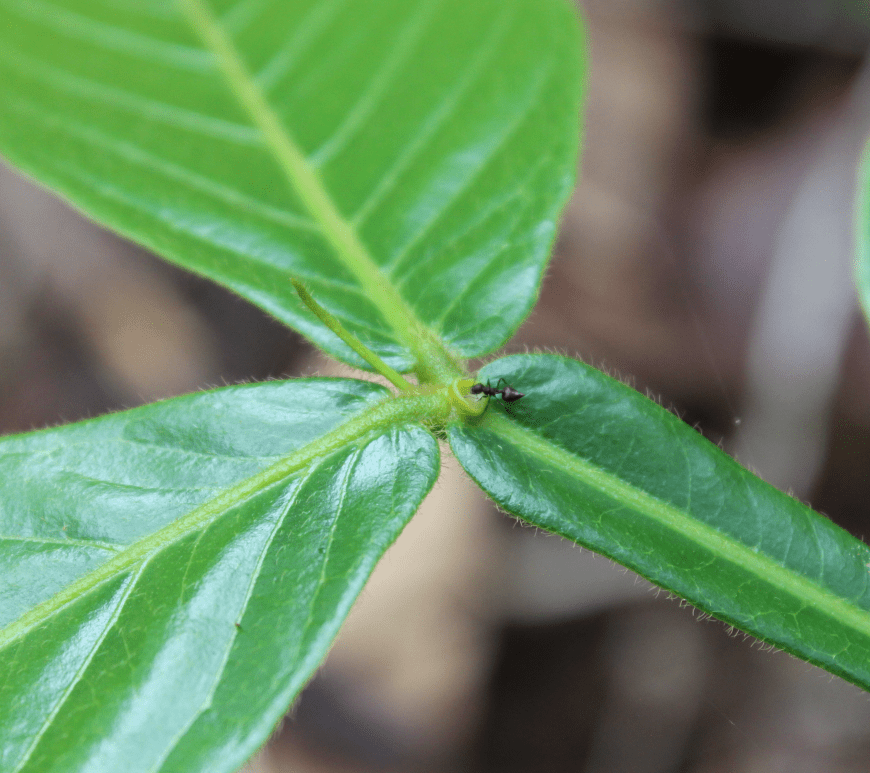
The carnivorous traps of Nepenthes pitcher plants are sometimes inhabited by a species of crab spider which ambushes insects as they arrive at traps. Recently published work by Weng Ngai Lam and Hugh Tan showed that this apparent thievery is actually beneficial to the plants — but only when crab spiders attack big prey with high nutrient contents. Pitcher plants are carnivorous plants that trap … Continue reading Go Big or Go Home: Pitcher plant hosts and their crab spider tenants

Making the most of #BES2018 – Highlights of events to make you a teaching pro!

It can be tricky being an academic, managing so many competing demands can mean that we might struggle to find time to be a great teacher as well as carrying out our research. With the release of the packed programme for the BES Annual Meeting, now is a great time to start thinking about how you might be able to fit in a few events … Continue reading Making the most of #BES2018 – Highlights of events to make you a teaching pro!

Respuestas ecofisiológicas al cambio climático

La variación en la tolerancia térmica entre poblaciones modifica los periodos de actividad diurna determinados por el clima en las especies de sangre fría. Este fenómeno queda ilustrado para lagartijas y lagartos ibéricos en un artículo recientemente publicado en el Journal of Animal Ecology. Dr. Salvador Herrando Pérez es un ecólogo generalista con experiencia en ecología de comunidades, demografía, ecofisiología y paleoecología, y realiza en … Continue reading Respuestas ecofisiológicas al cambio climático