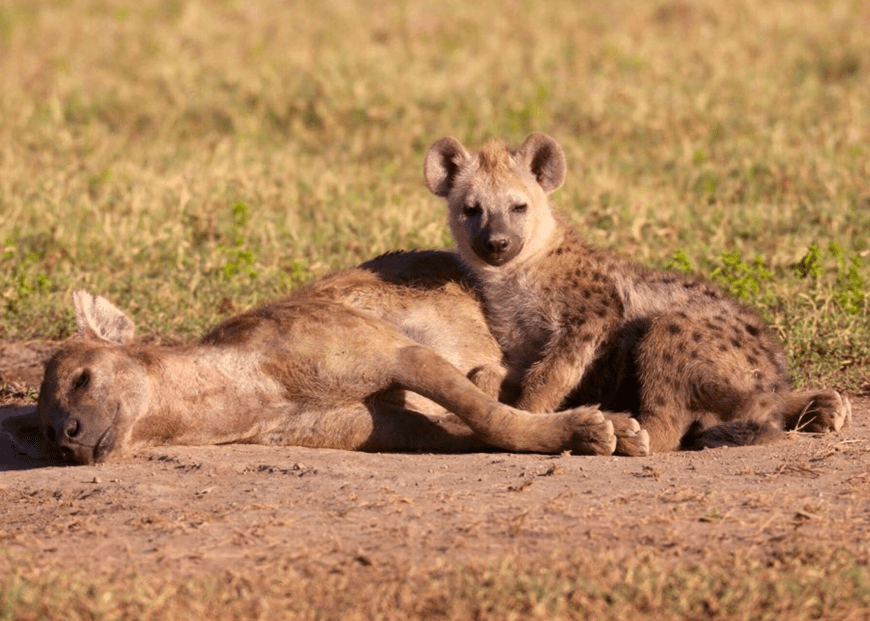
Coexistence is possible: spotted hyenas exposed to daytime pastoralism do just fine

This blog post is provided by Arjun Dheer and tells the #StoryBehindthePaper for the paper ‘Diurnal pastoralism does not reduce juvenile recruitment nor elevate allostatic load in spotted hyenas‘, which was recently published in Journal of Animal Ecology. In his study, he explores the impact of pastoralism on spotted hyena populations in Ngorongoro, discovering that they don’t seem stressed and numbers of recruited cubs didn’t differ between areas … Continue reading Coexistence is possible: spotted hyenas exposed to daytime pastoralism do just fine

Kuishi pamoja kunawezekana: fisi madoa wanaongiliana na mifugo nyakati za mchana hufanya vizuri

Chapisho hili la blogu limetolewa na Arjun Dheer na Philemon Naman na linaambia #StoryBehindthePaper kwa jarida la ‘Ufugaji wa kila siku haupunguzi uajiri wa vijana wala kuinua mzigo wa fisi wenye madoadoa’, ambayo ilichapishwa hivi majuzi katika Journal of Animal Ecology. Katika utafiti wake, anachunguza athari za ufugaji kwa idadi ya fisi walio na madoadoa katika Ngorongoro, na kugundua kuwa hawaonekani kuwa na mkazo na … Continue reading Kuishi pamoja kunawezekana: fisi madoa wanaongiliana na mifugo nyakati za mchana hufanya vizuri

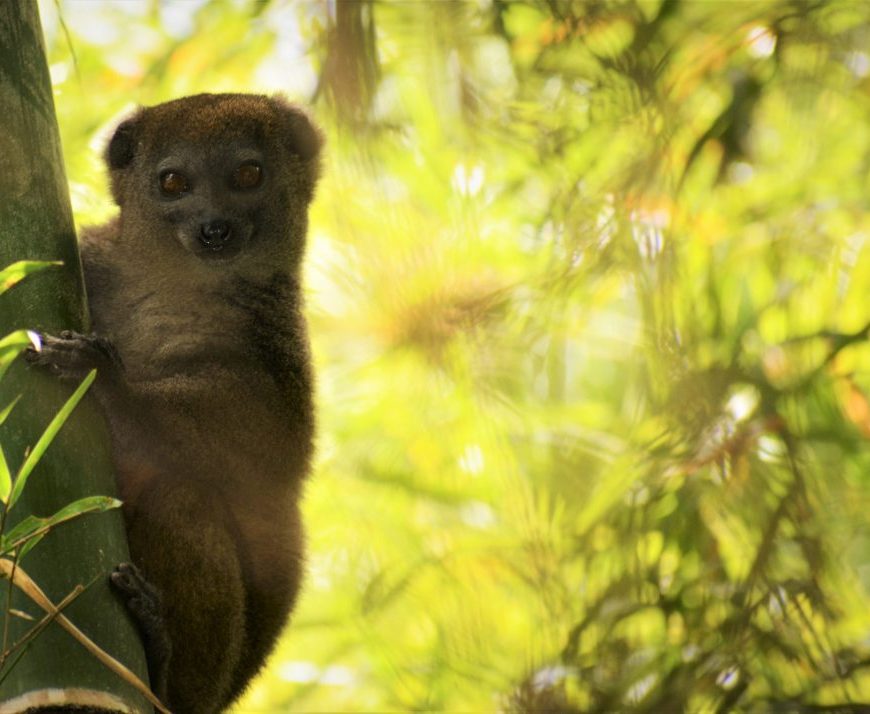
Predicting What Extinctions Could Mean for Lemurs and the Forests They Call Home

This blog post is provided by James Herrera and tells the #StoryBehindthePaper for the paper “Drivers and Consequences of Structure in Plant–Lemur Ecological Networks“, which was recently published in Journal of Animal Ecology. In their study the authors explore how lemurs and plants are interconnected in ecological networks, and the impacts of plant or lemur extinctions on these networks. This post was originally posted on … Continue reading Predicting What Extinctions Could Mean for Lemurs and the Forests They Call Home

Male rock hyraxes that maintain an isochronous song rhythm achieve higher reproductive success

This blog post is provided by Vlad Demartsev, Michal Haddas-Sasson, Amiyaal Ilany, Lee Koren and Eli Geffen and tells the #StoryBehindthePaper for the paper ‘Male rock hyraxes that maintain an isochronous song rhythm achieve higher reproductive success‘, which was recently published in Journal of Animal Ecology. In their study, they explore whether singing ability in male hyraxes is linked to the number of offspring that … Continue reading Male rock hyraxes that maintain an isochronous song rhythm achieve higher reproductive success

Are multi-brooded birds the current “winners” of climate change?

This blog post is provided by Abigail Kimmitt and Daniel Becker and tells the #StoryBehindthePaper for the paper “Plasticity in female timing may explain earlier breeding in a North American songbird“, which was recently published in the Journal of Animal Ecology. In their study, they explored breeding success of the dark-eyed junco from long term datasets, to see if birds respond to climate change in … Continue reading Are multi-brooded birds the current “winners” of climate change?

Perda de cauda em serpentes e anfisbênias explicada a partir de espécimes preservados

Este post do blog foi fornecido por Mario Moura e Henrique C. Costa e conta a #StoryBehindthePaper para o jornal “Unwrapping broken tails: biological and environmental correlates of predation pressure in limbless reptiles“, que foi recentemente publicado no Journal of Animal Ecology. Este post também está disponível em inglês aqui. O que uma cauda pode nos contar? Se nós estamos falando sobre cachorros e você … Continue reading Perda de cauda em serpentes e anfisbênias explicada a partir de espécimes preservados

Tail loss in limbless reptiles explained by specimens from natural history collections

This blog post is provided by Mario Moura and Henrique Costa and tells the #StoryBehindthePaper for the paper “Unwrapping broken tails: biological and environmental correlates of predation pressure in limbless reptiles“, which was recently published in the Journal of Animal Ecology. In their study, they use natural history collections of snakes and limbless lizards from museums to explore where predation occurs. These animals can drop … Continue reading Tail loss in limbless reptiles explained by specimens from natural history collections

The “gall” of it all – how a latitudinal gradient in the diversity of oak gall formers contributes to the outbreak of a range-expanding species

This blog post is provided by Dylan Jones and Kirsten Prior and tells the #StoryBehindthePaper for the paper “Latitudinal gradient in species diversity provides high niche opportunities for a range-expanding phytophagous insect“, which was recently published in the Journal of Animal Ecology. In their study they explore how gall wasp communities vary from north to south in the United States of America, and how reduced … Continue reading The “gall” of it all – how a latitudinal gradient in the diversity of oak gall formers contributes to the outbreak of a range-expanding species

El tamaño si importa: ¿Como afectan los rasgos el rol de los peces depredadores en las tramas tróficas y redes espaciales en el Río Paraná Medio?

Este posteo fue proporcionado por Dalmiro Borzone Mas y Pablo Scarabotti y nos cuenta #StoryBehindthePaper para el trabajo “Simetrías y asimetrías en los roles topológicos de los peces depredadores entre las redes de ocurrencia y las tramas tróficas” el cual fue recientemente publicado en el Journal of Animal Ecology. En este estudio ellos exploran como las redes de ocurrencia y las tramas tróficas tienen una … Continue reading El tamaño si importa: ¿Como afectan los rasgos el rol de los peces depredadores en las tramas tróficas y redes espaciales en el Río Paraná Medio?

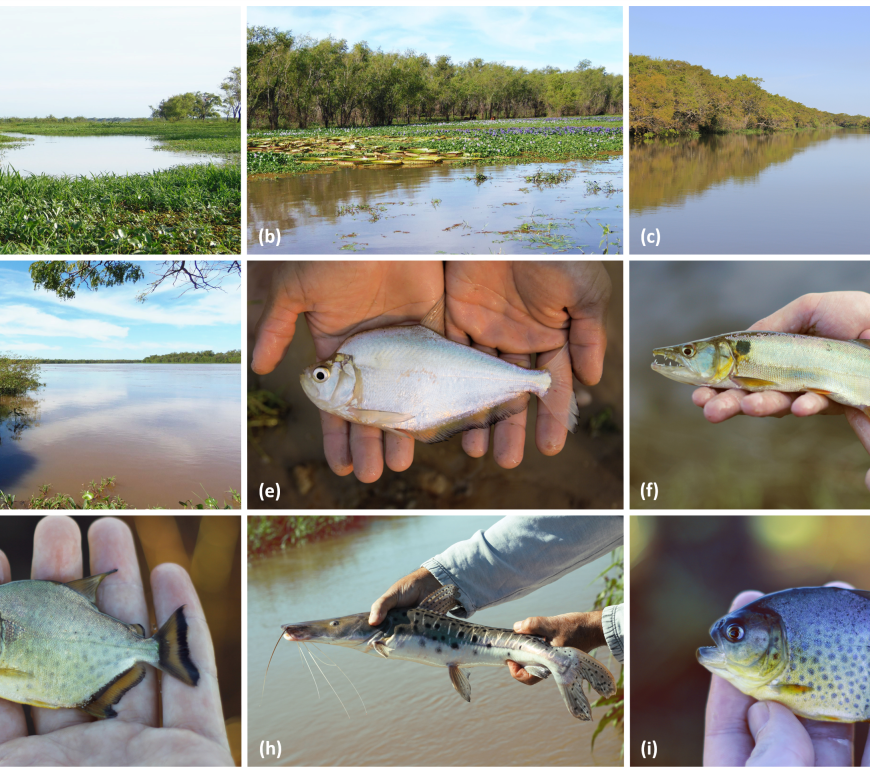
Size does matter: how do traits affect the role of predatory fish on food webs and spatial networks in the middle Paraná River?

This blog post is provided by Dalmiro Borzone Mas and Pablo Scarabotti and tells the #StoryBehindthePaper for the paper “Symmetries and asymmetries in the topological roles of piscivorous fishes between occurrence networks and food webs“, which was recently published in the Journal of Animal Ecology. In their study, they explore whether occurrence networks and food webs of the Paraná River have a modular structure and … Continue reading Size does matter: how do traits affect the role of predatory fish on food webs and spatial networks in the middle Paraná River?