Hungry lizards catch the worms

Parasite transmission is dependent upon host diet and habitat use. A recent paper in the Journal of Animal Ecology examined over 350 species of lizard in search of a link between parasite diversity and lizard ecology. Here to tell us more is lead author Dr Tommy Leung, a Lecturer in Parasitology and Evolutionary Biology at the University of New England, Australia. All animals are infected with … Continue reading Hungry lizards catch the worms

Parasitism and Host Diet Quality in Natural Populations

Parasite-host relationships can be amazingly complex. Parasites can even alter host diets. But how exactly does this work? Dr Charlotte Narr, a Research Scientist at Colorado State University’s Natural Resource Ecology Laboratory, recently published an article on just this topic in the Journal of Animal Ecology.  When you’re sick, your relationship with food changes. You might lose your appetite or have trouble digesting certain foods. Pregnancy … Continue reading Parasitism and Host Diet Quality in Natural Populations

Guppies only avoid infected shoalmates when they pose the highest risk of transmission

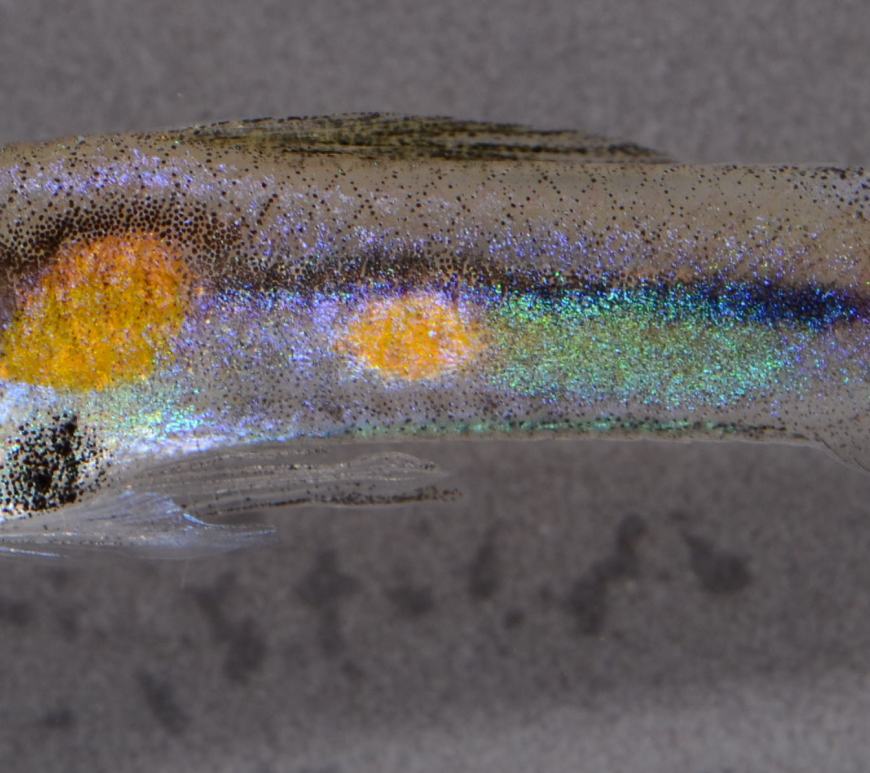
Jess Stephenson is a new Assistant Professor at the University of Pittsburgh, USA. She is interested in factors affecting the spread of infectious diseases through natural populations, and how these ecological factors might affect the evolution of both host and parasite. Here, she describes her most recent paper on the role of host behaviour in disease transmission and shares the #StoryBehindThePaper. Across animal taxa, individuals … Continue reading Guppies only avoid infected shoalmates when they pose the highest risk of transmission

Stopovers for sickly songbirds

The understanding of the interplay of movement, behaviour and physiology that biologging offers has applied relevance for a range of fields, including evolutionary ecology, wildlife conservation and behavioural ecology. In recognition of this, the Journal of Animal Ecology has an upcoming Special Feature on Biologging  (submissions due 20th September). This blog posts is written to accompany a recent publication in the Journal of Animal Ecology. Lead-author Dr Arne … Continue reading Stopovers for sickly songbirds

Stressed-Out Squirrels

A recently-published paper in the Journal of Animal Ecology has discovered that the grey squirrel (one of the most impacting alien invasive species in Europe) causes an increase in chronic stress in the native red squirrel. Lead author Dr Francesca Santicchia is a research fellow at the University of Insubria in Italy. She had studied the relationships among parasites, physiological stress, and personality in grey squirrel … Continue reading Stressed-Out Squirrels

Ecology & Evolution of Infectious Diseases Conference

A few weeks ago, Dr Lauren White from the University of Minnesota told us about the intersection of wildlife conservation, disease and human health for Endangered Species Day. Now she is back to give us a recap of the Ecology & Evolution of Infectious Disease Conference recently held in Glasgow – including some pretty nifty conference events complete with a Scottish flair! This year, the … Continue reading Ecology & Evolution of Infectious Diseases Conference

Disease Ecology: The Lion’s Share

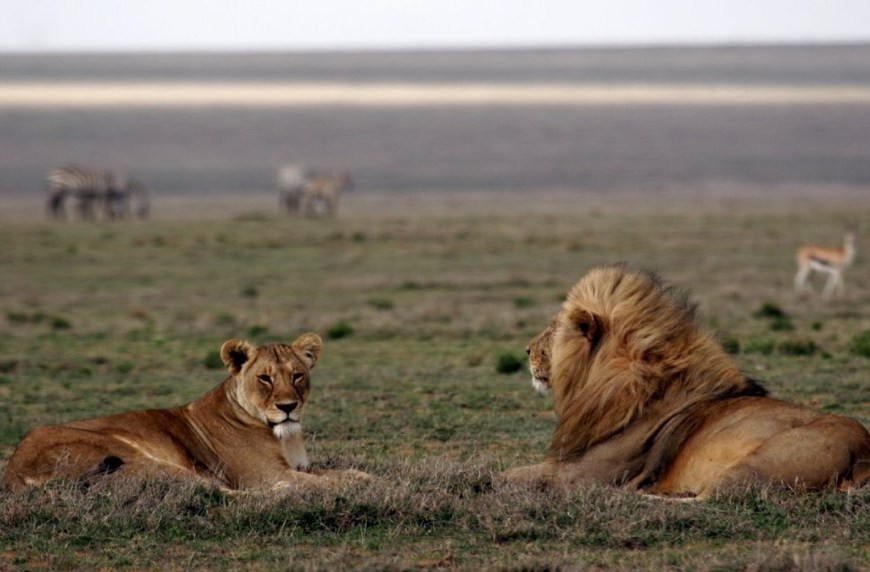
For the 2017 Elton Prize, the Editors selected one winning paper and two highly-commended papers. Last month we featured a blog post about prize winner Natalie Clay, and now we are proud to feature a post by highly-commended author Nick Fountain-Jones. Nick is a postdoc with the Department of Veterinary Population Medicine at the University of Minnesota. Read on to hear the #StoryBehindThePaper Understanding disease transmission … Continue reading Disease Ecology: The Lion’s Share

The intersection of wildlife conservation, disease, and human health

Today marks Endangered Species Day, when people around the world are encouraged to discover more about threatened species and their habitats. For conservation efforts to succeed, it is necessary to understand how animals interact with each other, with their environment – and with humans. Lauren White (University of Minnesota) addresses this by studying the idea of One Health – the intersection of human, animal, and … Continue reading The intersection of wildlife conservation, disease, and human health

Frogs and Herbicides: A Gut Feeling

Dr. Sarah Knutie led a study to explore whether a commonly-used herbicide affects the gut microbes of frogs and if the gut microbes could mediate the effect of the herbicide on infection risk by the amphibian chytrid fungus. She conducted the work as a Post-doctoral Researcher at the University of South Florida and is currently an Assistant Professor at the University of Connecticut. Here, she … Continue reading Frogs and Herbicides: A Gut Feeling

Social or solitary: Does social network protect from disease?

The spread of infectious diseases is heavily influenced by the structure of animal social networks. So how do disease risks vary by different social systems? Dr Pratha Sah addresses this in a recent publication with the Journal of Animal Ecology. Animal species ranging from mammals, birds, reptiles and fish to insects exhibit an impressive diversity in sociality. Sociality describes the tendency of animals to associate with … Continue reading Social or solitary: Does social network protect from disease?