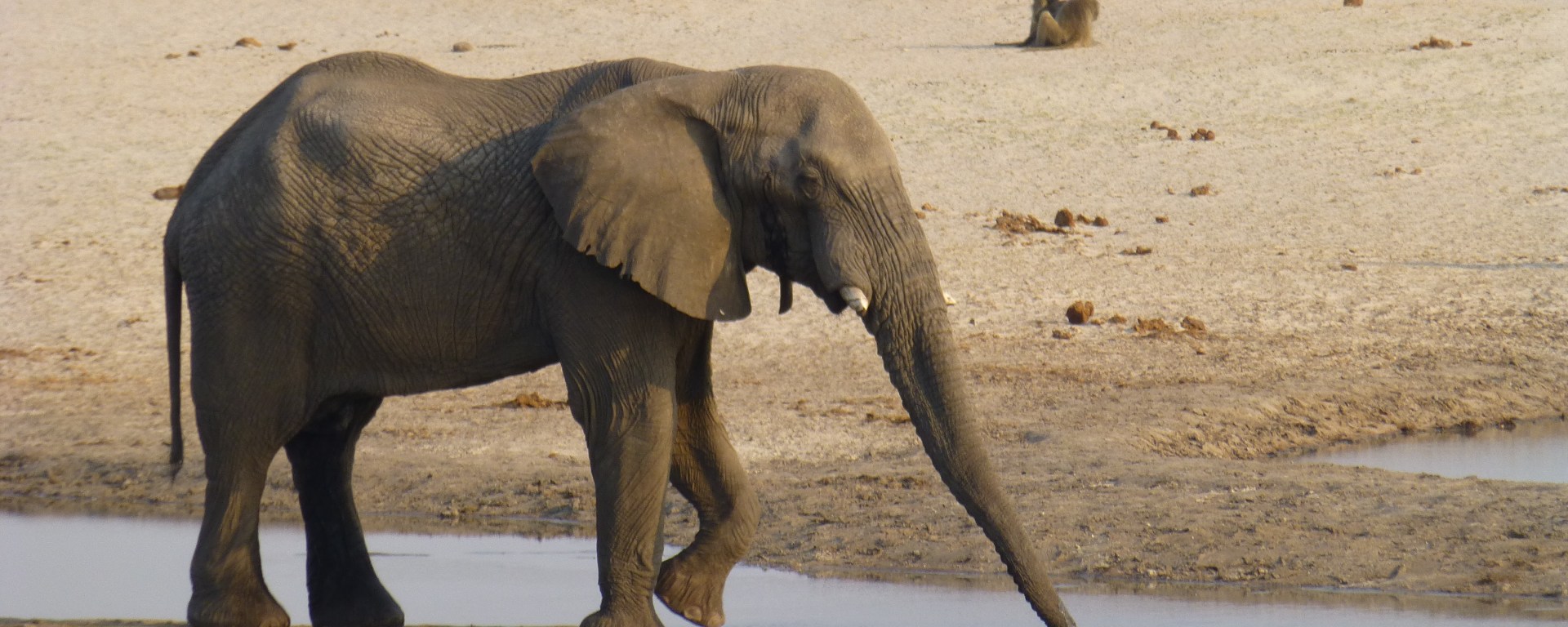
This blog post is provided by Irene Bouwman and tells the #StoryBehindThePaper for the article “Elephant space use and habitat selection change across drought timescales“, which was recently published in Journal of Animal Ecology. This study examined how drought affects the spatial use and habitat selection of African elephants.
As charismatic as elephants may be in David Attenborough documentaries, my first encounter with the elephant as a study animal was not all that glamorous. On a cloudy Friday afternoon in a dusty office, my inbox filled up with more than half a million elephant GPS locations collected by Elephants Without Borders in Botswana. The first elephants in the dataset were tracked when I was still in kindergarten, the most recent GPS records were only a few years old. “Good luck”, the email said, and off I went.
Drought hotspot
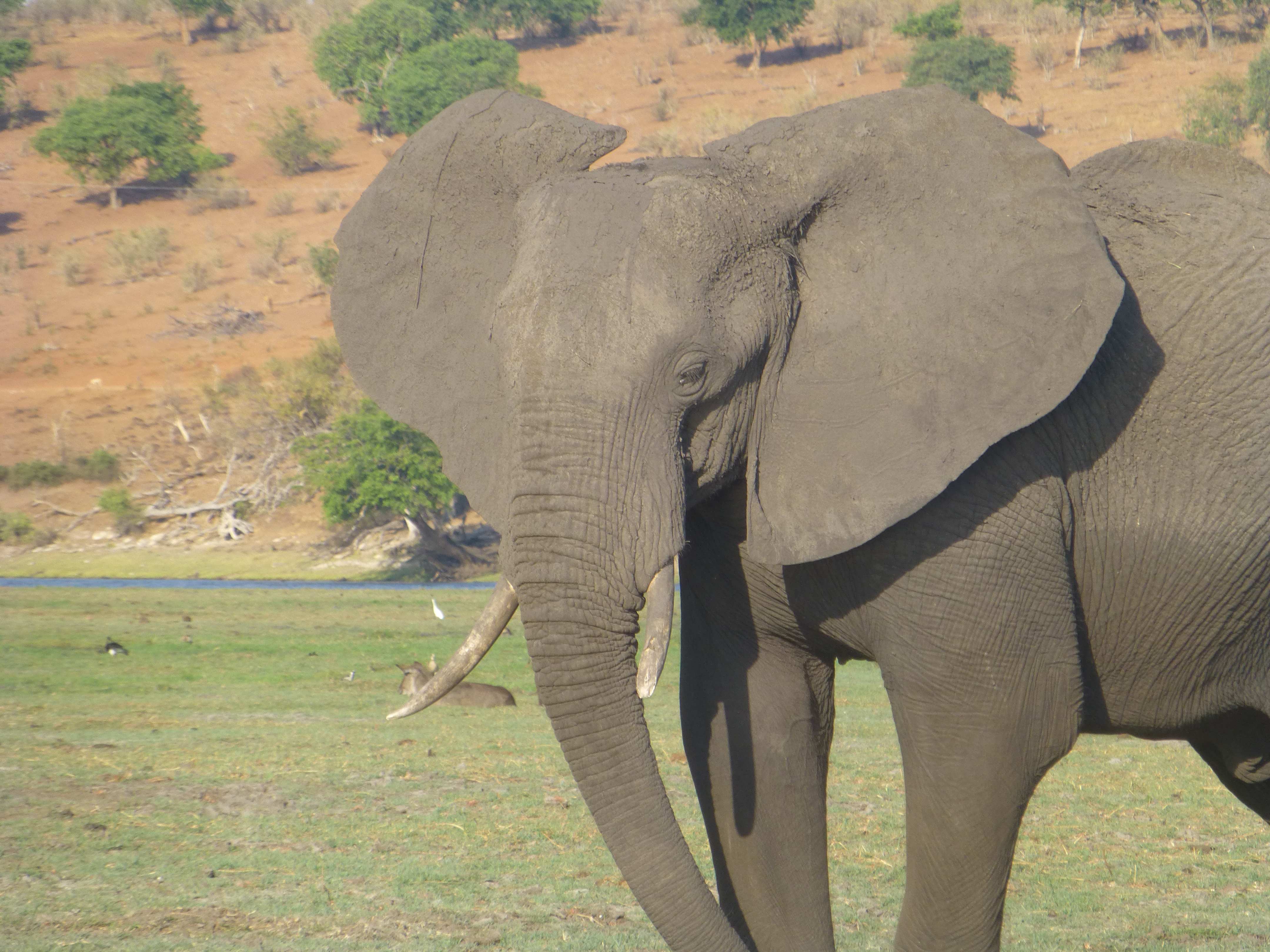
The African elephant is one of the many species on this planet directly at risk from climate change. A recent United Nations report highlighted Southern Africa, home of the largest elephant population in the world, as a ‘drought hotspot’. That’s concerning, because drought can be fatal for elephants. During a drought, elephants can dehydrate, starve, or get stuck in muddy waters (yes, really). Moreover, hungry elephants may enter croplands in search of food, leading to human-elephant conflicts that can be deathly for both humans and elephants.
To help elephants survive drought, it is important to understand how elephants behave during drought. Knowing what elephants do during drought may help to understand whether elephants adapt their behaviour to the drought, and which conservation measures could be effective. Yet, little is known about the behaviour of elephants during drought. Could the huge file with GPS locations on my laptop help?
Drought timescales
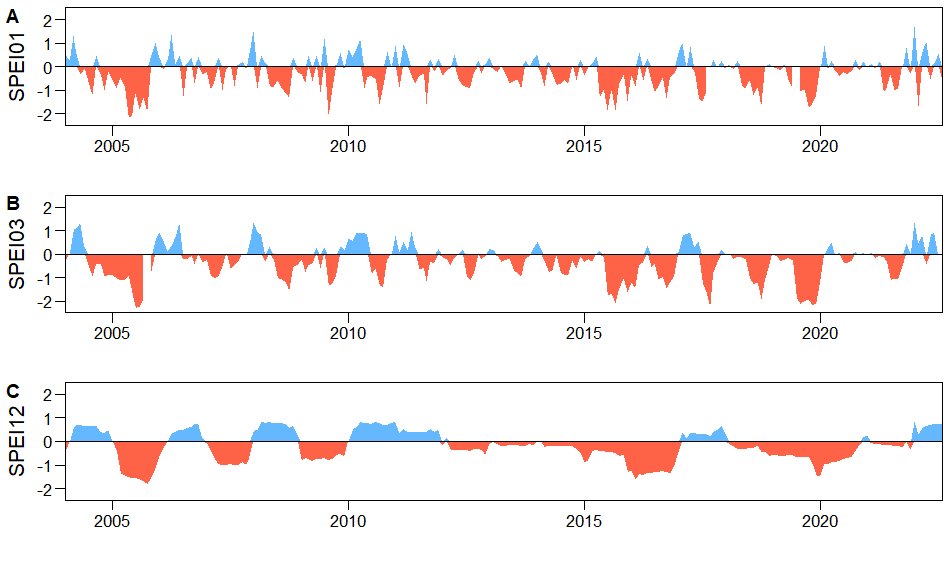
To examine the drought conditions that the elephants in our dataset had faced, we decided to use the Standardized Precipitation-Evapotranspiration Index (SPEI). The SPEI measures the balance between precipitation, such as rainfall, and evapotranspiration (the flux of water from soil and plants to the atmosphere) relative to the long-term average. The lower the SPEI, the drier it is.
But that’s not all there is to say about drought. While drought may start with a mere lack of rainfall, also called meteorological drought, the consequences of a long-term drought range much wider than weather conditions. As drought persists for several months, vegetation browns and crop harvests may decline, which is referred to as agricultural drought. At even larger timescales, about one year, groundwater levels decline and rivers and lakes may dry up (hydrological drought).
Although the environmental impacts of drought vary widely across timescales, we noticed that drought timescales had received little attention in elephant movement literature (or any animal movement literature, actually, with one exception discussed earlier on this blog one exception discussed earlier on this blog). Do elephants alter their movement during drought, and if so, does the timescale of the drought matter? Packed with hundreds of data files, including SPEI values representing meteorological, agricultural and hydrological drought in the study area, we started the search.
Trees, rivers, and croplands
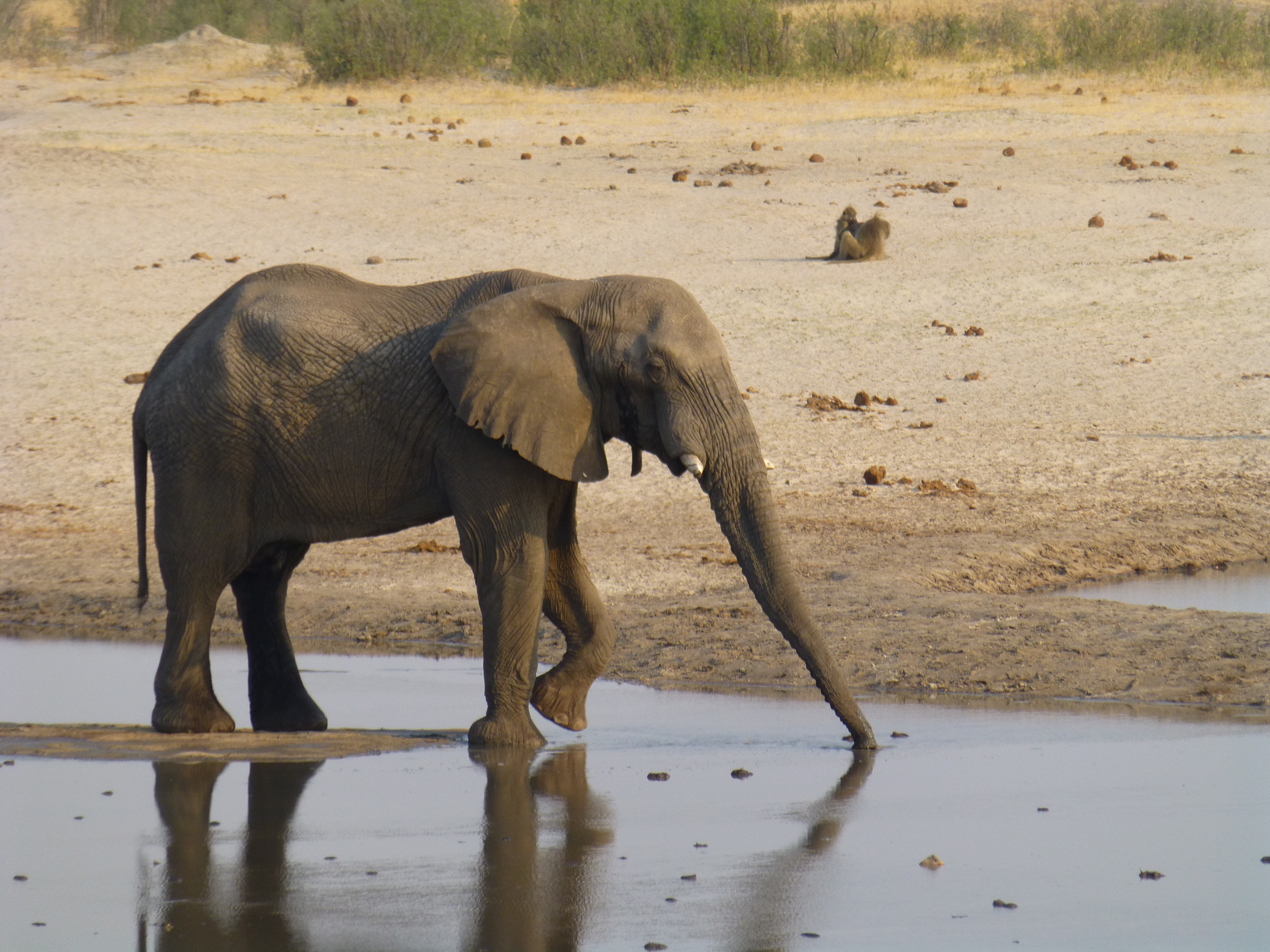
The first results were not surprising. At all three timescales, elephants moved to tree-covered areas during drought, possibly looking for shade. During the short-term, meteorological drought, elephants also had smaller home ranges, moved shorter distances, and stayed closer to inland waters such as rivers. A sensible strategy, if you’d ask me, to conserve energy and maintain access to water.
But for the long-term, hydrological drought, a different picture emerged. In times of hydrological drought, elephants actually moved away from inland waters, and instead visited croplands and human-populated areas. Perhaps the rivers had dried up or the vegetation around the rivers had declined due to the persistent drought, triggering elephants to look for water and food in farmlands and villages.
Coexistence in a drying world
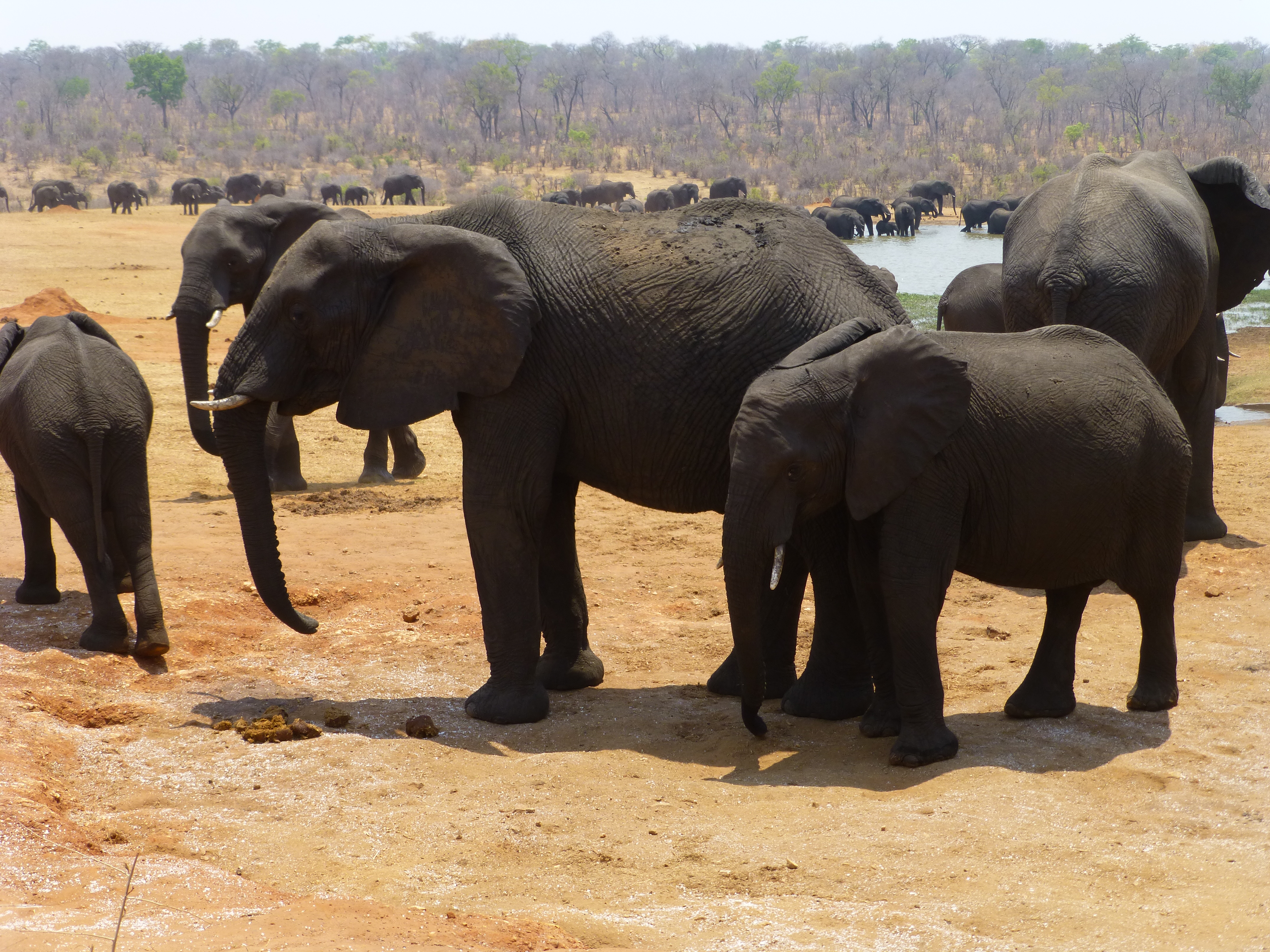
In a world that is becoming drier every decade, behavioural adaptation could perhaps make the difference between animals that survive severe droughts and those that do not. Therefore, we studied nineteen years of elephant behaviour during drought at three different timescales. Some of the behaviours we observed, like moving to tree-covered areas during drought, might help elephants to cope with extremely dry conditions. At the same time, our results point to a concerning pattern: when drought lasts longer, elephants move towards human-populated areas, which could lead to human-wildlife conflict. This highlights the need to develop conservation measures that promote a safe coexistence between humans and elephants in a changing climate.
Elephants are, by far, not the only wildlife species that struggle to find resources during drought. On the contrary, drought is expected to amplify conflicts between humans and a variety of wildlife species, including tigers, tapirs, and crocodiles. Do other wildlife species also alter their movement behaviour during drought? Would they seek shade, or move closer to humans? And does the timescale of the drought matter? Drought conditions across timescales, as measured by SPEI, could help to answer these questions. And half a million GPS locations would of course be helpful, too.
Read the paper here:
https://besjournals.onlinelibrary.wiley.com/doi/full/10.1111/1365-2656.70289

