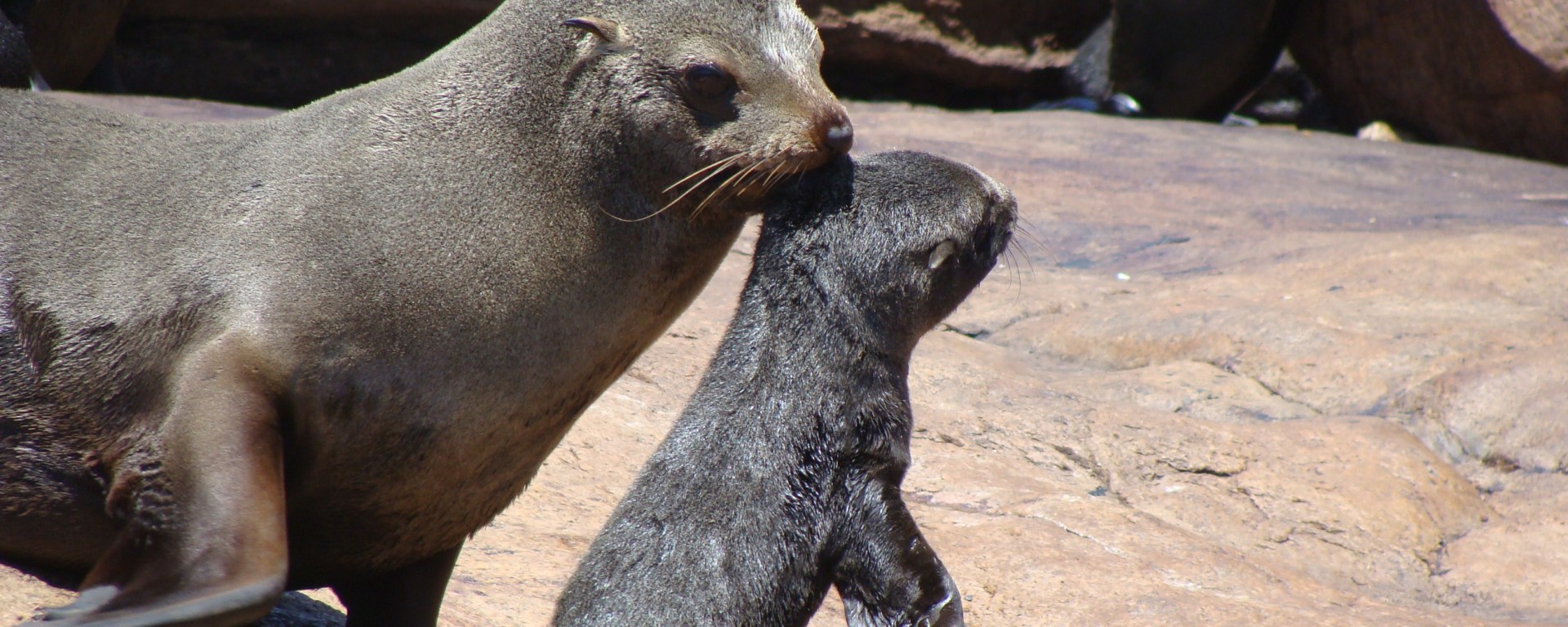
This blog post is provided by Federico Garrido-de León and tells the #StoryBehindThePaper for the article “A new approach to quantify isotopic (co)variation across levels of biological organization using double-hierarchical generalized linear models”, which was recently published in Journal of Animal Ecology. In their study, Garrido-de León and colleagues quantified patterns of trophic variability from the individual to the community level, revealing surprising flexibility that can often be overlooked by traditional average-driven approaches.
Ecologists often describe nature using averages. We talk about the average diet of a population, the average trophic position of a species, or the average niche occupied by a community. These summaries are useful, but they can also hide an important reality: biological systems are full of variation, and this variation has many consequences for living organisms.
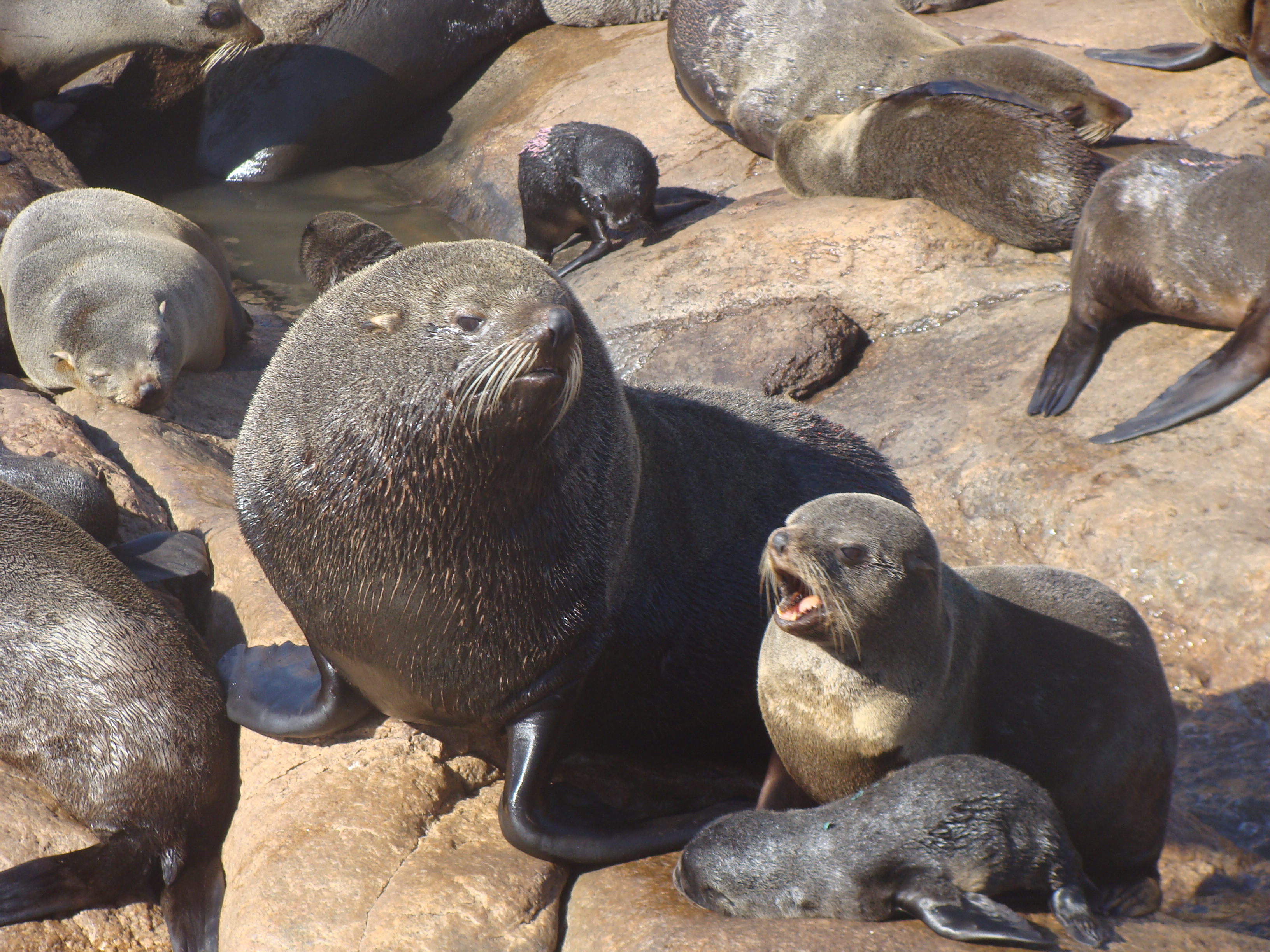
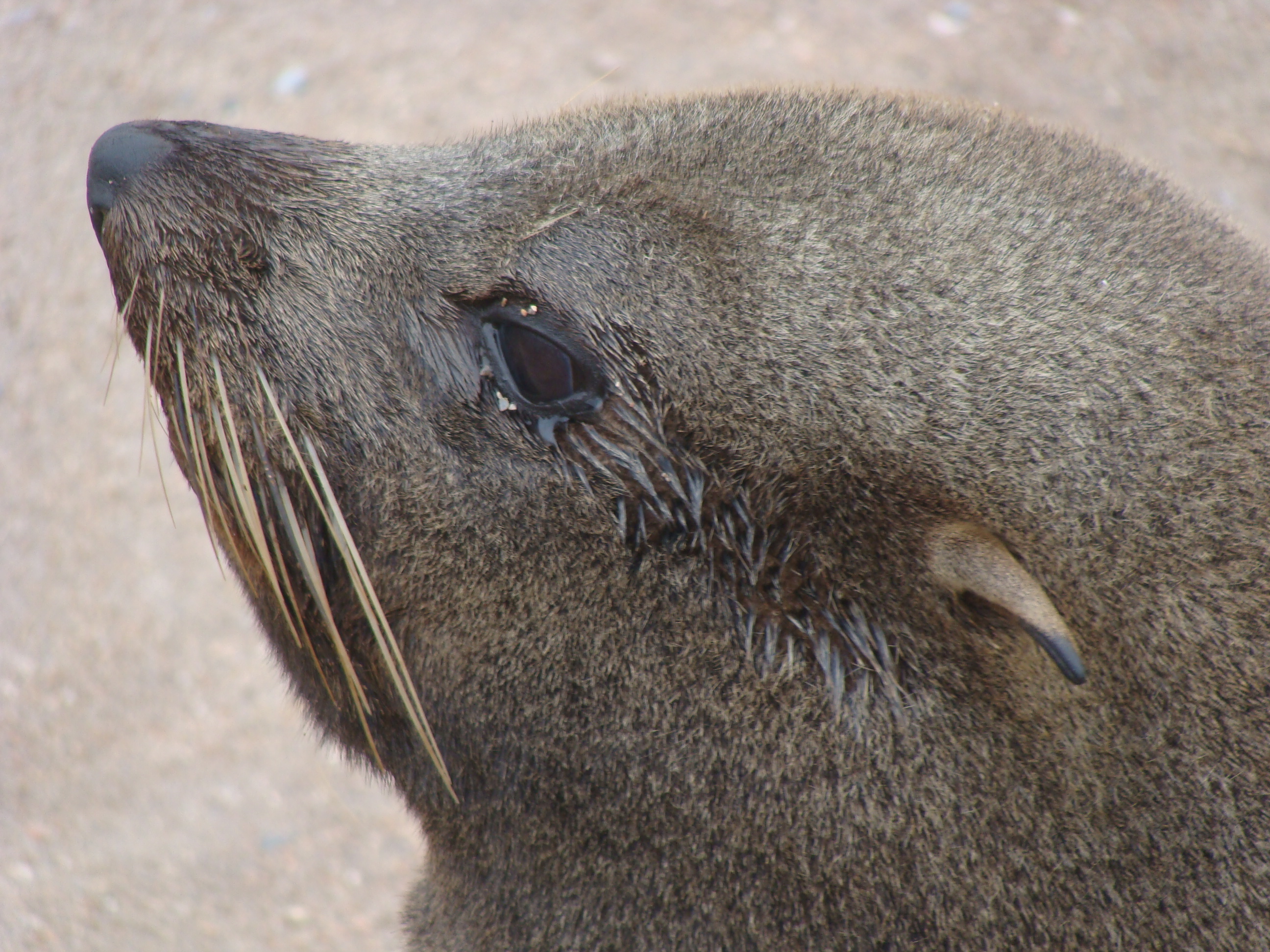
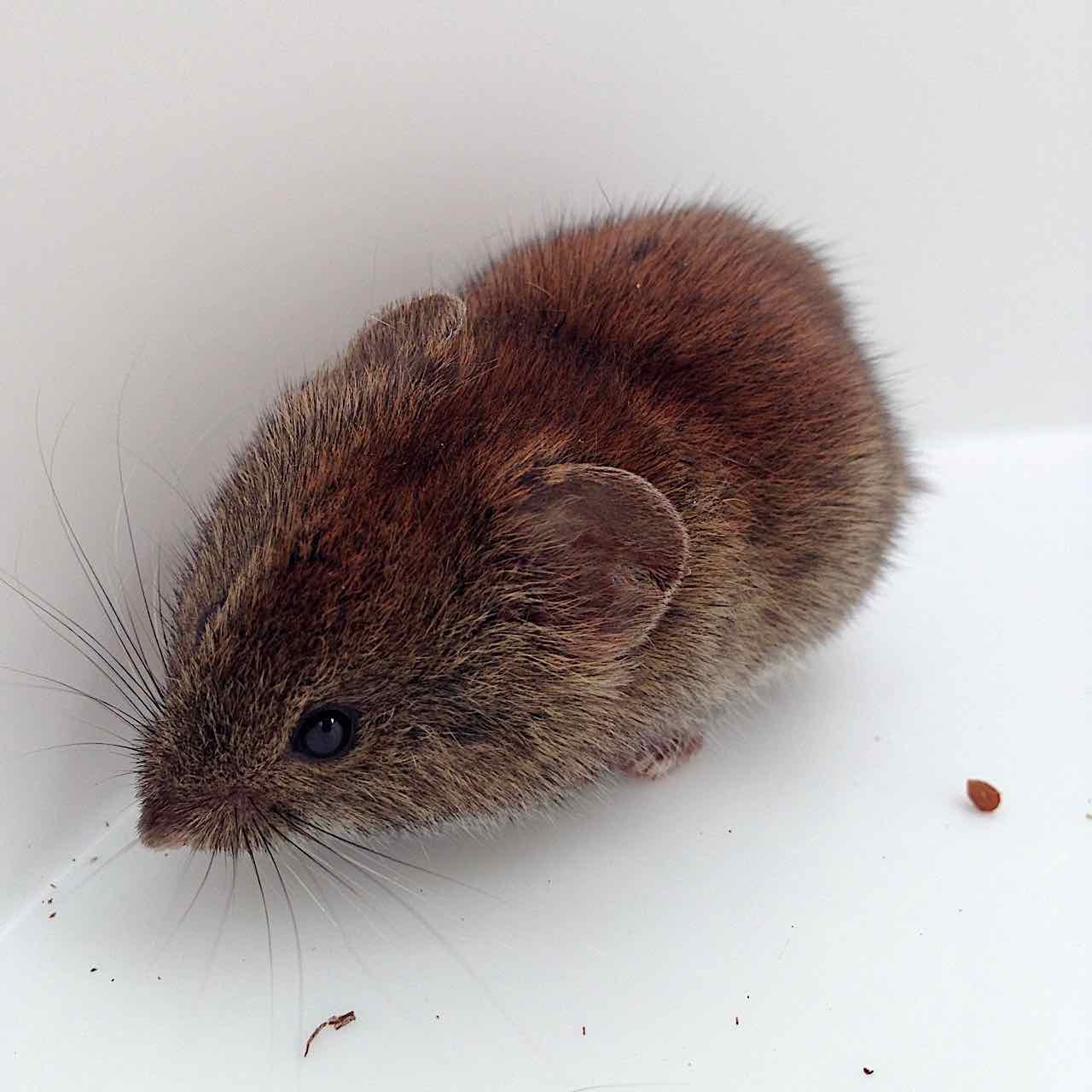
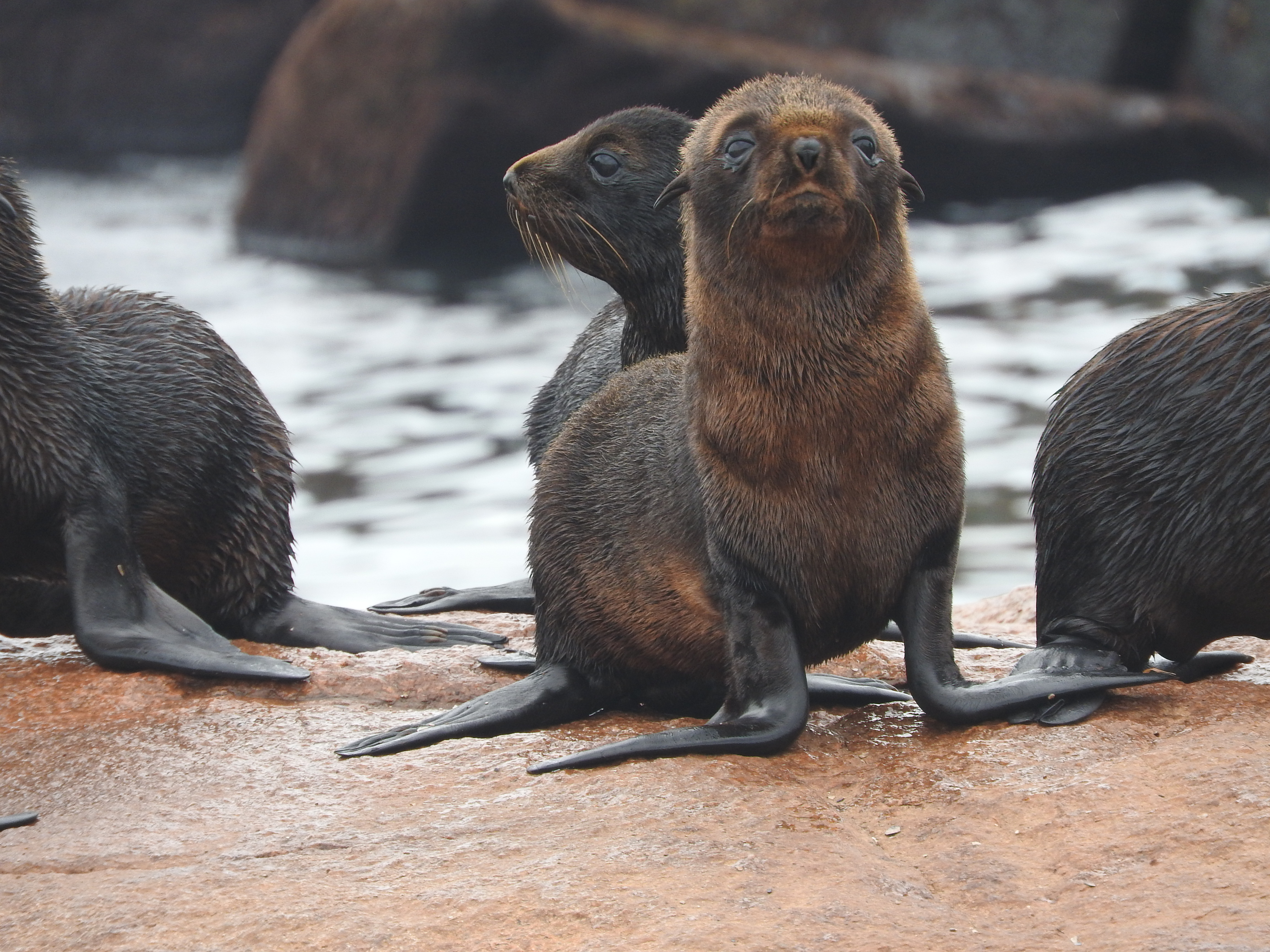
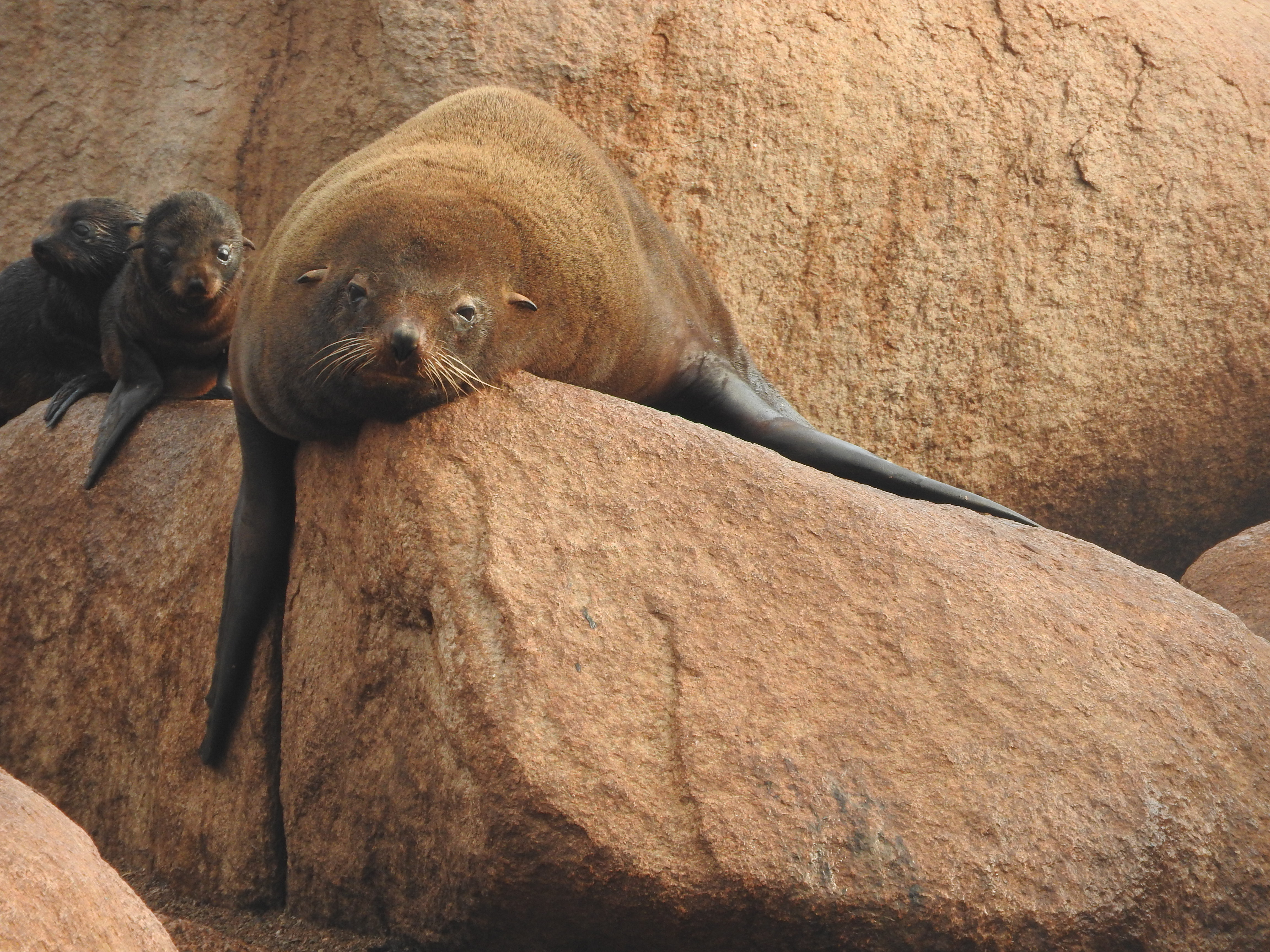
Within the same population, individuals can behave very differently from one another. Some animals repeatedly use similar resources through time, while others are much more flexible and opportunistic. For example, in South American fur seals (Arctocephalus australis), from Uruguay, we found that some individuals showed relatively consistent resource use profiles through time, whereas others displayed much broader fluctuations, suggesting different dietary flexibility. Likewise, some populations have highly diverse diets, while others are comparatively homogeneous. In southern red-backed voles, (Myodes gapperi) from island and mainland habitats in Canada, some populations exhibited broader diet variation among individuals than others, indicating differences in trophic niche breadth at the population level. At the community level, some species occupy narrow trophic niches while others appear more generalist.
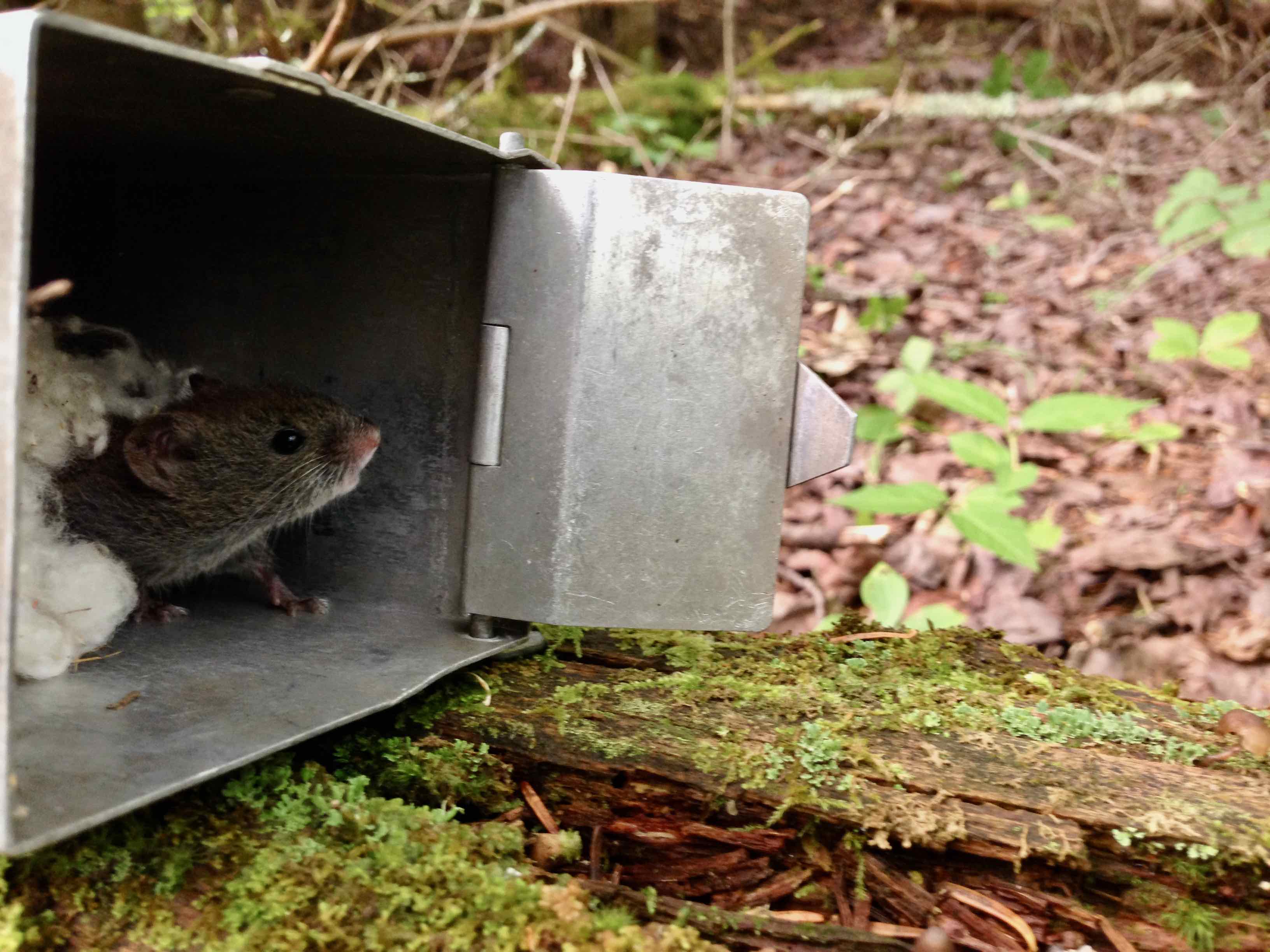
Understanding this hidden variability is becoming increasingly important in ecology, particularly in a world facing rapid environmental change. In our recent paper in the Journal of Animal Ecology, we explored the use of double-hierarchical generalized linear models (DHGLMs), a statistical framework that helps quantify patterns of trophic variability across different levels of biological organization, from individuals and populations to entire communities. Using stable isotope data from fur seals, rodents, and pond communities, we show how these models can reveal ecological differences that are often overlooked by traditional approaches focused mainly on average values.
Capturing trophic variability across ecological levels
To investigate diet variation, ecologists frequently use stable isotopes. In simple terms, stable isotope values recorded in tissues such as whiskers, hair, or whole-body samples provide information about the resources consumed by animals over time. Rather than representing a single feeding event, they offer an integrated picture of diet over weeks, months, or even years. For example, a single whisker from a fur seal can preserve a dietary record spanning two to three years, allowing us to reconstruct how stable or flexible an individual’s diet is through time.
This makes stable isotopes especially useful for studying trophic ecology. But analyzing isotopic variation is not always straightforward. Many traditional statistical approaches focus on estimating average differences between individuals or species while assuming similar levels of variability across them. However, some individuals, populations, or species are far more flexible, specialized, or unpredictable than others, and this variation can itself carry ecological meaning. For instance, differences in variability reflect whether individuals rely on a narrow range of resources or exploit a broader diversity of prey and habitats. To address this, we explored the use of DHGLMs to estimate not only average isotopic differences, but also how much individuals, populations, or species differ in their variability itself. In practical terms, this means identifying which biological units show relatively stable trophic patterns and which ones exhibit broader or more flexible niche use. By doing so, DHGLMs open new opportunities for studying ecological variation across different levels of biological organization.
From individuals to communities
We applied this framework across three ecological levels using very different study systems: South American fur seals at the individual level, red-backed voles at the population level, and pond communities composed of aquatic insects and tadpoles at the community level. Despite the differences among these systems, they shared a common pattern: in all three cases, we detected differences among biological units in their within-unit variation. In other words, some individuals, populations, or species were consistently more variable — and therefore less predictable — in their trophic patterns than others. These patterns of trophic predictability and flexibility would have remained hidden if we had focused only on average isotopic values.
Why does variability matter?
Variation is often treated as statistical “noise”, but it can play an important ecological role. Differences in trophic variability may reflect whether individuals, populations, or species rely on a narrow range of resources or exploit a broader diversity of prey and habitats. Understanding how this variability changes across biological levels may help ecologists better connect processes occurring within individuals to larger ecological patterns emerging at the population or community scale. At the population level, differences in diet specialization may lead to differences in survival and reproduction if human activities cause the depletion of one resource. At the community level, differences in niche breadth between species may influence coexistence and food-web structure. Our study focused on stable isotopes, but the same framework could also be applied to many other ecological questions involving hierarchical data, including behaviour, movement, physiology, or life-history traits. Ecology is not only about averages. Sometimes, the most interesting patterns emerge from understanding which and why individuals, populations, or species are more variable than others.
Read the paper
Read the full paper here: https://doi.org/10.1111/1365-2656.70277

