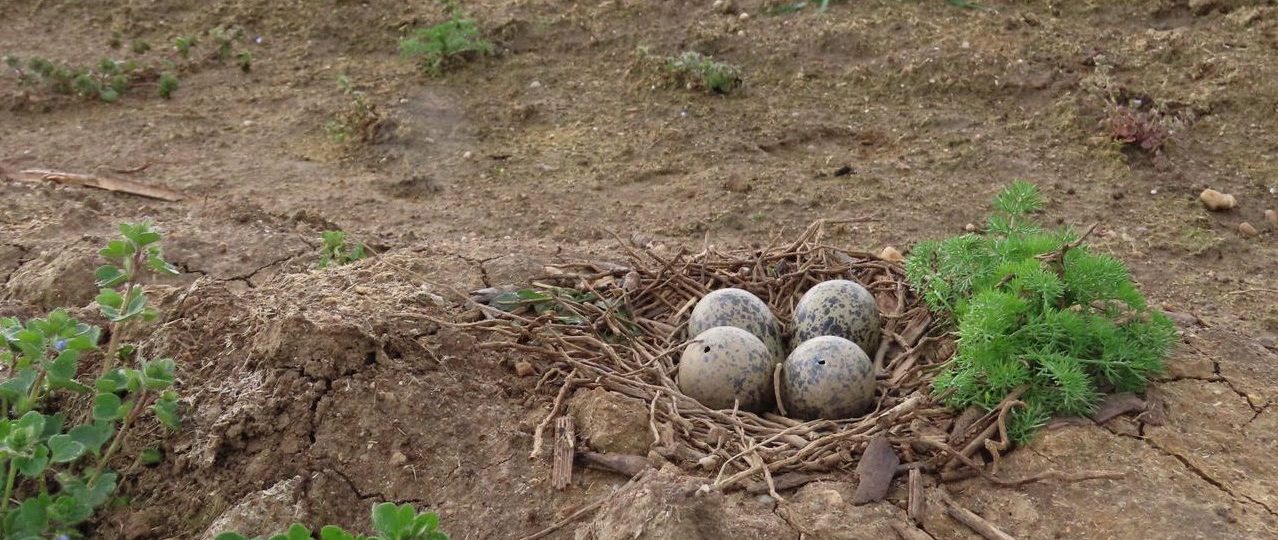
This blog post is provided by Guillaume Dillenseger, and tells the #StoryBehindThePaper for the article “Predator-guild-specific parental responses mitigate higher predation risk on ground nests close to forest patches in a mosaic landscape“, which was recently published in Journal of Animal Ecology. This study tested whether predation risk of experimental lapwing nests and aggressive responses by breeding lapwings to stuffed nest predators may depend on distance between nests to forests.
Avifauna breeding in agricultural landscapes are globally declining, in relation to changes in agricultural practices. Nests are regularly destroyed by machinery, birds are exposed to pesticides, and habitat modification are reducing the possibility for suitable nesting grounds. The Northern Lapwing (Vanellus vanellus) is an emblematic shorebird from the Palearctic, breeding in fields and grasslands. Like other grassland species, it has also suffered from changes in agriculture, and experienced global population decline over the last decades, justifying its assessment as Near Threatened (NT) by the IUCN Red List.
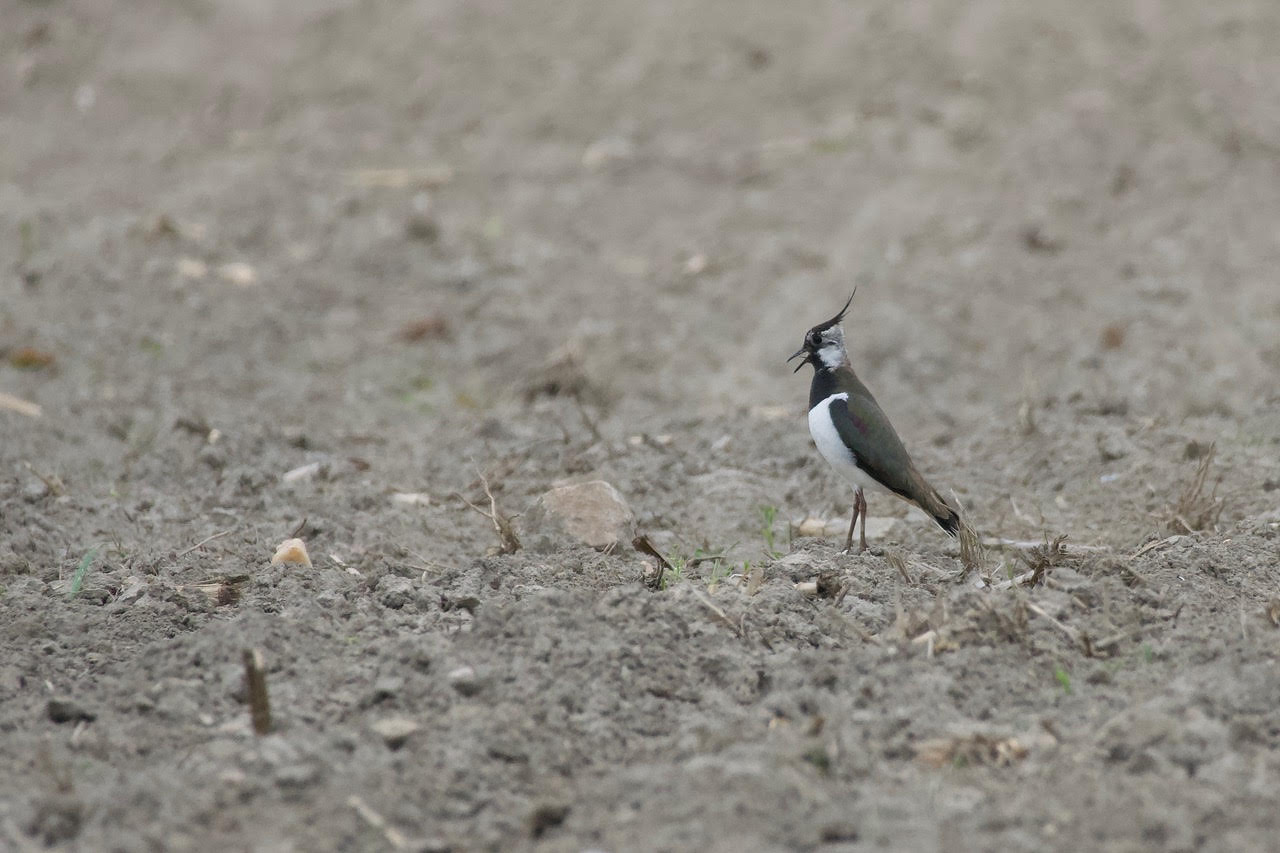
The population of lapwings in South Bohemia remains relatively abundant, but is also declining. Like most agricultural landscapes where lapwings breed, our study site represents a mosaic of managed plots, grasslands, and remnant forest patches. A recent study from Estonia pointed out the negative impact that forest patches could have on ground-nesting birds. Indeed, woodlands served as habitats for mammalian predators, and the nests closer to the forest edges had higher probability of getting predated by mammals. Trees could also serve as perches for avian predators. The presence of woodlands could increase the overall risk of predation on ground nests. In this context, we decided to investigate if the local lapwing population was exposed to similar risk.
To measure the predation risk of eggs, we decided to use an experimental nest design, using quail eggs. We placed nests with three eggs at increasing distance from forest patches, and checked regularly if they got predated. These nests, which are not guarded by any parents, acted as a “free buffet” for predators, which demonstrated that predation rates were high. Only three nests out of the 89 that were not destroyed by tractors survived until 25 days. By considering how long the nests survived before predation, we were able to confirm that the predation risk increased closer to forest patches, and next to larger forest patches. It indicated that predators were more active close to forest patches.
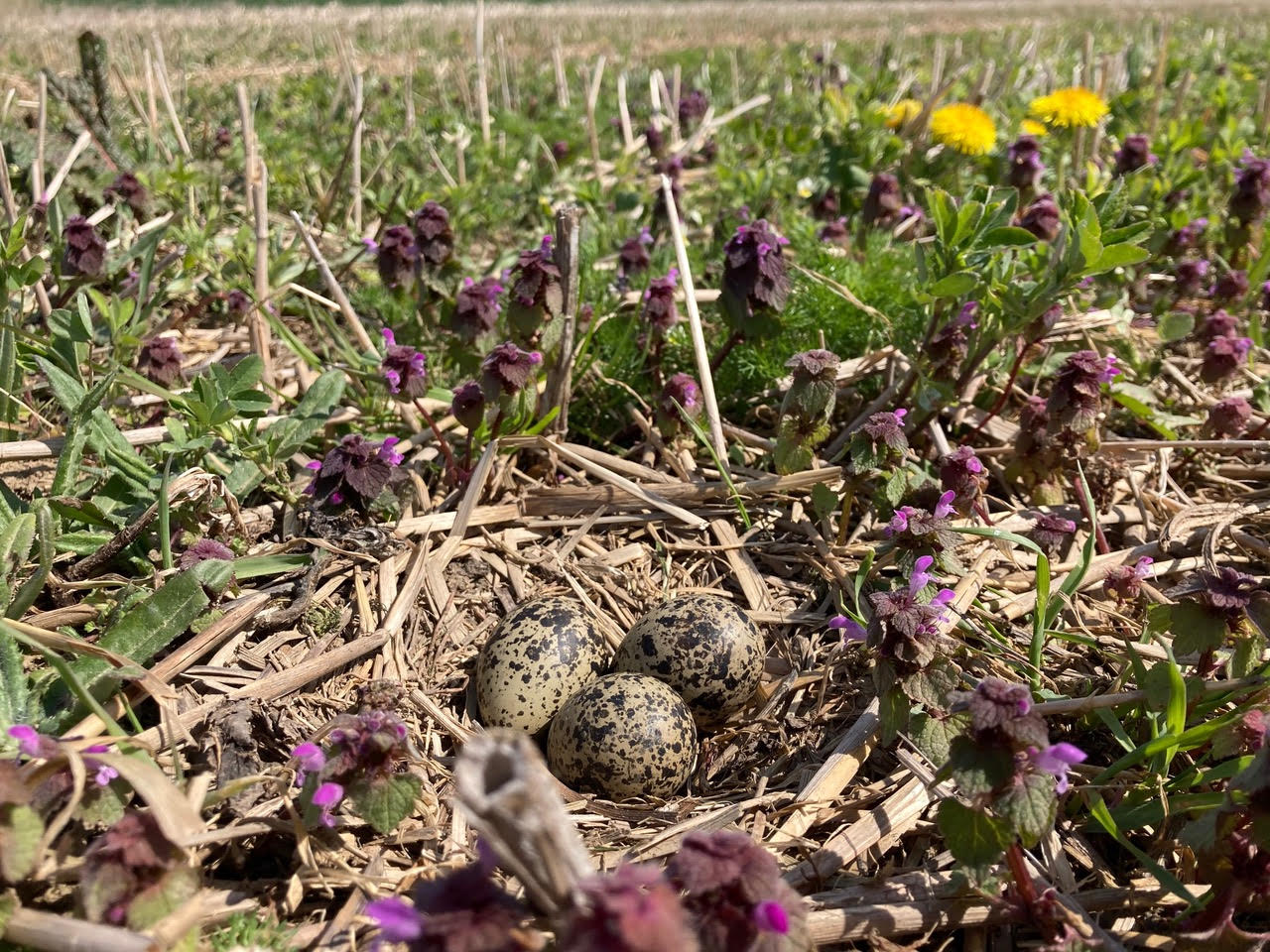
However, wild birds have the possibility to protect their nest if a predator approaches, by displaying anti-predatory behaviours (attacking, feigning injury, etc.). Indeed, predation on real nests were lower than on quail eggs. But if predators were more active close to forests, lapwing nests closer to trees could possibly suffer from a higher risk. However, we did not observe this when monitoring over 300 lapwing nests at various distances from forest. Thus, in our populations, lapwings were able to mitigate the higher predation risk.
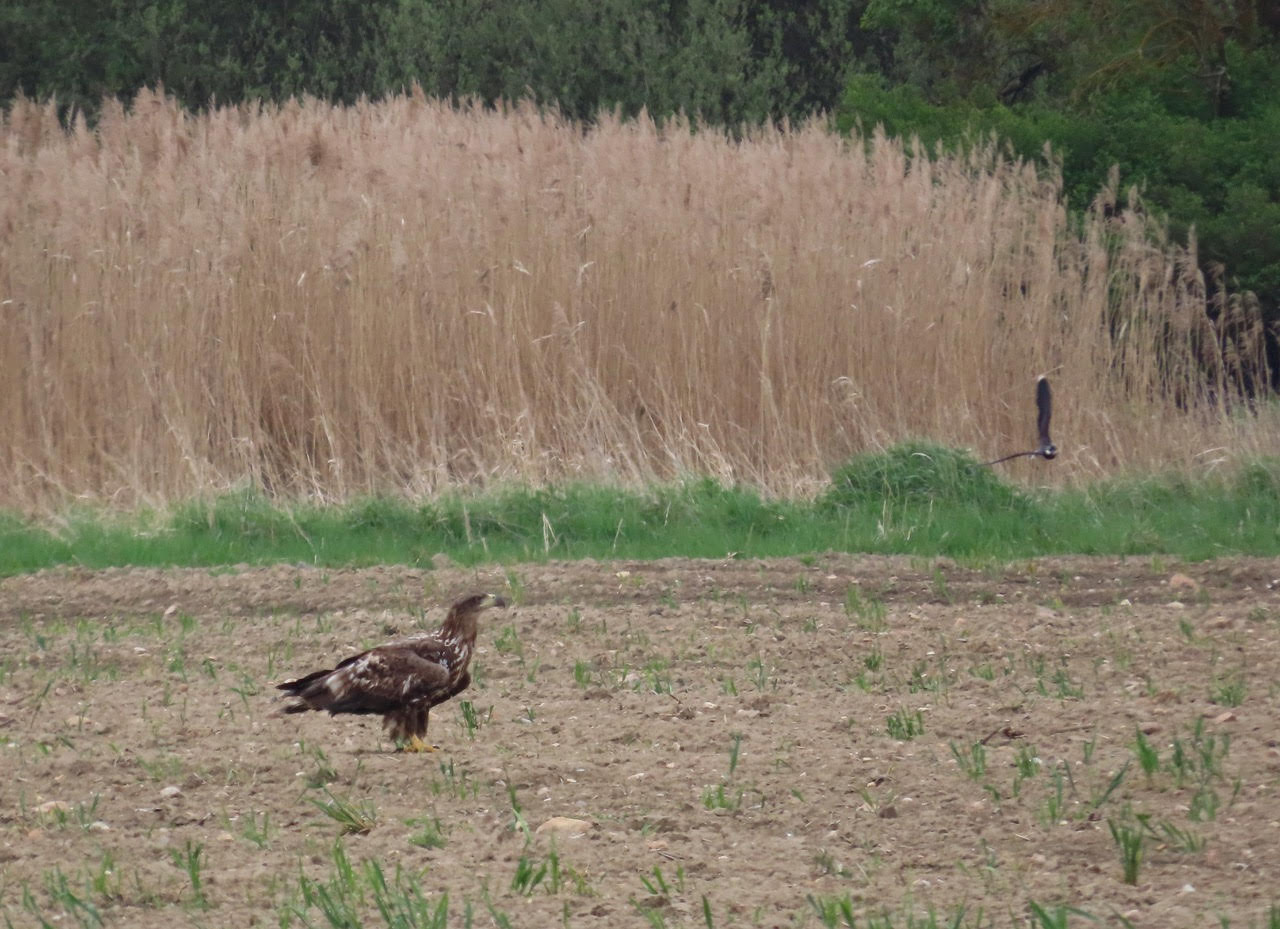
A final question to address was: how do lapwings mitigate a variable predation risk? A hypothesis would be that pairs nesting closer to forest are more aggressive when encountering potential predators. To test this, we presented taxidermied predators and a control to breeding pairs and record parents’ behaviours. Some consider the Northern Lapwing to be a shy species compared to other lapwings, as they usually fly away when approached and come back after several minutes. However, we observed birds immediately attacking the presented predator, while the experimenter was still a few meters away from the nests, and some pairs attacking dummies more than 200 times in 15 minutes! We experimented on a total of 16 nests after 12 days from incubation start. Testing “older” nests is a way to prevent nest abandonment due to the stress of the experiment. Actually, none of the nests were abandoned after the study, and all successfully hatched. We used three stimuli: a Carrion Crow (Corvus corone), common egg predator; a Polecat (Mustela putorius), predator of eggs and adults; and a piece of wood as control. To assess aggressiveness level, we used a semi-quantitative score translating aggressiveness, from 0 (the bird stayed away) to 4 (the bird attacked the object). We considered the highest score displayed by each individual during the experiment, for each of the parents.
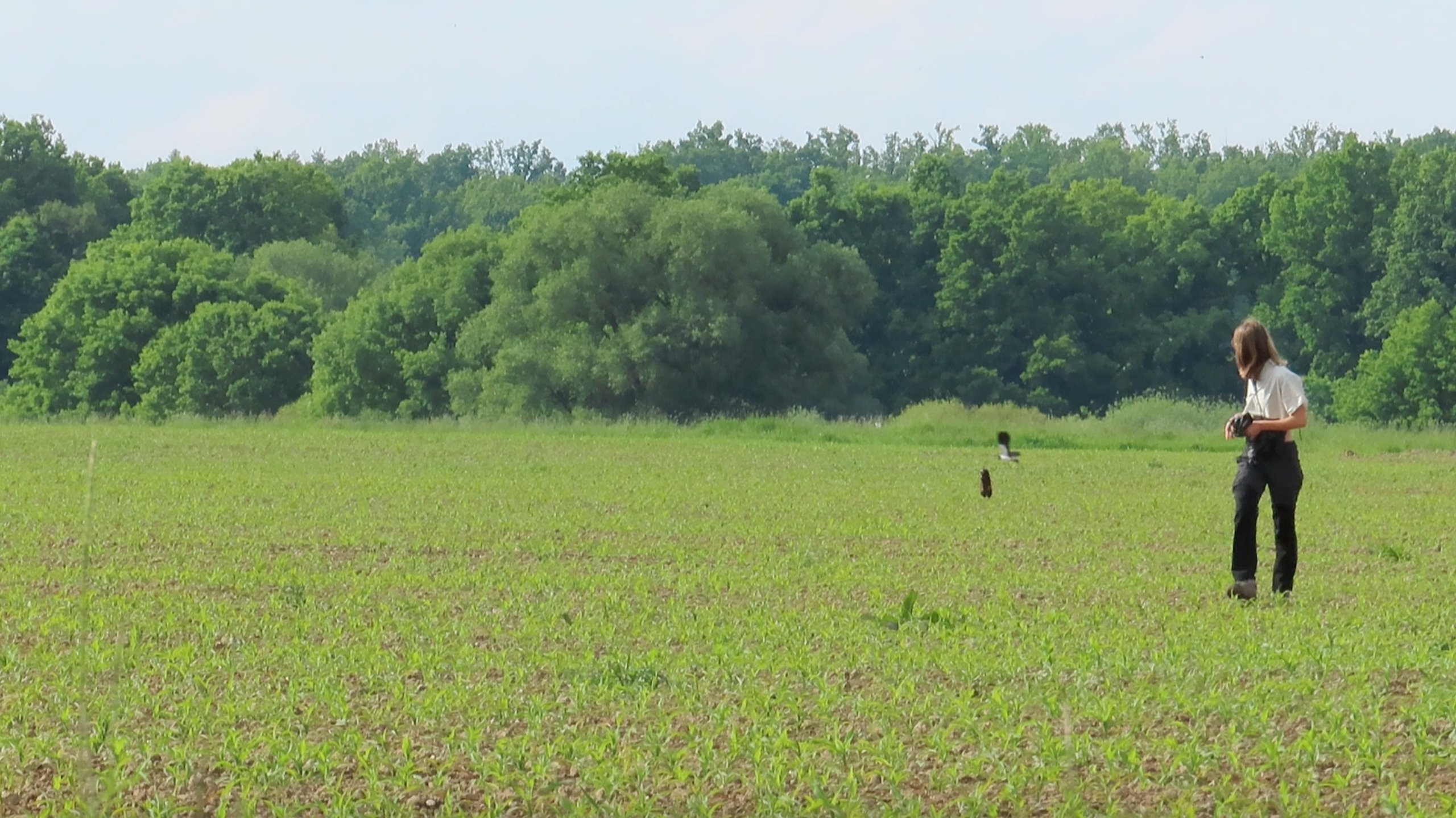
Overall, lapwings were more aggressive towards the two predators than the log, indicating that they recognised the threats. When correlating this score with the distance of the forest, pairs nesting closer to trees were more aggressive when facing the wood and the crow. Thus, individuals displayed higher aggressiveness where predators were more active. Birds seemed adapted to differences in predation at the landscape level, which could have helped them mitigate the effects of increased predation near forest patches. However, and somewhat unexpectedly, the same birds were less aggressive towards the mustelid as they nested closer from forests. It seemed counterintuitive, as mammals should be more active close to woodlands. But mustelids could be harmful to adults, and birds nesting under higher predation risk might be more cautious.
These results are an interesting example of the concept of landscape-of-fear, in which individuals vary in behavioural traits in relation to habitat characteristics.
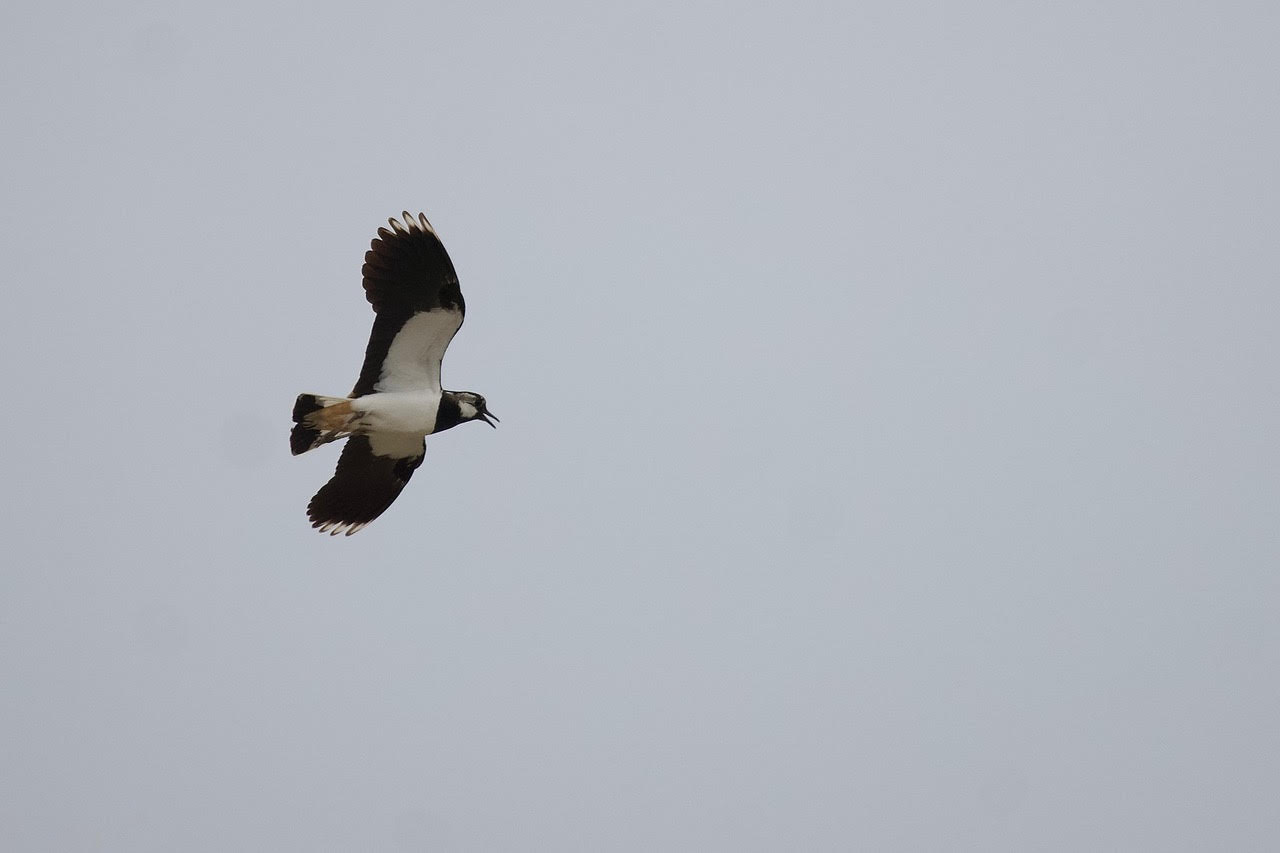
Our study showed the potential negative effect of forest patches for ground-nesting birds in agricultural landscapes. In the case of the South Bohemian population, lapwings were able to counterbalance this effect by displaying more aggressively when encountering predators. The next steps would be to investigate if more aggressive birds consistently breed closer to trees, or if this is the result of a plastic response related to the conditions of the current breeding attempts. Are birds repeatable or flexible in their nesting decisions, and do they avoid tree proximity during the next season? Answering these questions would determine if adaptive or selective processes predominate when selecting a nest site, and displaying adapted defence behaviours.
Furthermore, if South Bohemian lapwings appeared to do well, other populations were reported to not perform this efficiently when it came to deter predation associated with the presence of trees, as seen in Estonia or Sweden for instance. To design efficient conservation measures for grassland species, the impact of habitat structure and how species are able to cope with it will be essential.
Read the paper here:
https://besjournals.onlinelibrary.wiley.com/doi/full/10.1111/1365-2656.70278

