Showcasing developments in biologging and related methods in applied ecology

Originally posted on The Applied Ecologist:
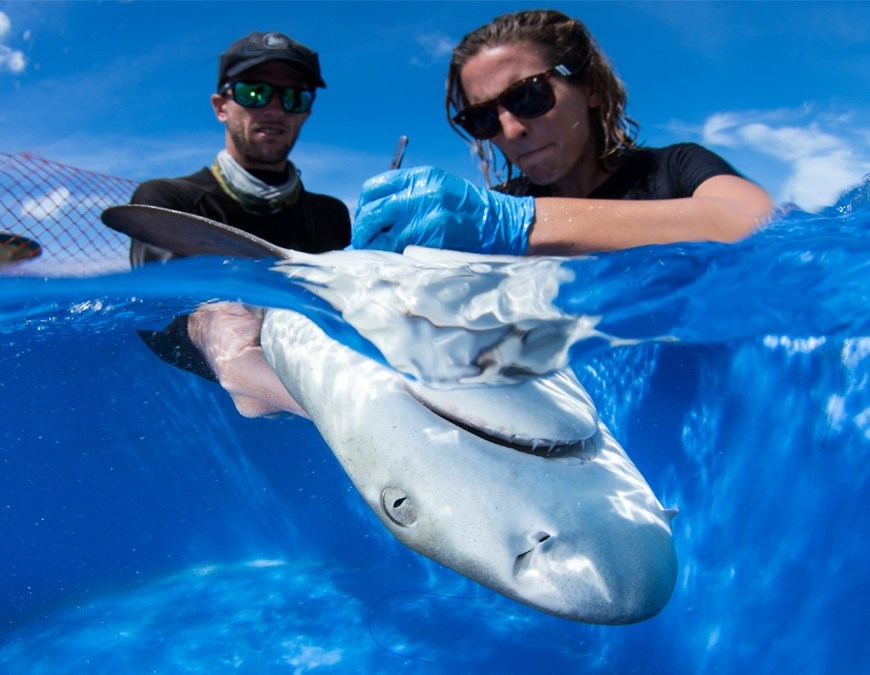
Following the recent Journal of Animal Ecology Special Feature on biologging, Associate Editor, Steph Januchowski-Hartley takes a look at how research in this and similar methods are affecting the field of applied ecology today. Advances in technology have allowed for small electronic loggers and transmitters to be developed not only for biomedical monitoring for humans (think of the tech… Continue reading Showcasing developments in biologging and related methods in applied ecology

Persistence (and a bit of luck) pays off: Costs of reproduction in mountain ungulates

Fitness costs of reproduction are expected when resources are limited. This can drive the evolution of life‐history strategies and can affect population dynamics, particularly if females change their allocation of resources to reproduction. Dr Marco Festa-Bianchet (Université de Sherbrooke) explains the value of long-term studies for understanding such trade-offs and gives the #StoryBehindThePaper for his recent synthesis article in the Journal of Animal Ecology. Long-term studies … Continue reading Persistence (and a bit of luck) pays off: Costs of reproduction in mountain ungulates

Navigating through the R packages for movement

In the biologging Special Issue of the journal, we have new Review paper lead by Rocío Joo on Navigating through the r packages for movement. Rocío is a movement statistician based at the University of Florida and the blog tells the story behind the paper and a brief overview of the paper. Behind the scenes Two years ago, if someone would have asked me about … Continue reading Navigating through the R packages for movement

Light‐Level Geolocator Analyses: A user’s guide

In the biologging Special Issue of the journal, we have new ‘How to…’ paper lead by Simeon Lisovski from the Swiss Ornithological Institute on Light‐Level Geolocator Analyses. In this blog Simeon walks us through the history of the development of the light-level geolocator, discusses how to choose the best tools for analyzing the date and presents future directions of their usage. Simeon is a Geo.X Young … Continue reading Light‐Level Geolocator Analyses: A user’s guide

Birds in paradise: biogeography in the subtropics

Biogeography is often more complicated than the species-area relationship as discussed in a Journal of Animal Ecology paper testing multiple extensions of island biogeography theory. Sam Ross, lead author of the study, is a PhD student at Trinity College Dublin studying ecological responses to global change. Sam has additional interests in community ecology and macroecology, and works closely with colleagues at the Okinawa Institute of … Continue reading Birds in paradise: biogeography in the subtropics

Self-medication: how to use macronutrients to better survive infections

This blog post is provided by Fleur Ponton, Senior Lecturer in Insect Biology at  Macquarie University in Sydney, Australia. Fleur and her team are investigating the relationship between nutrition, immunology and gut microbiota, primarily using flies as model species, this blog discusses her recent paper in the journal. Infection and nutrition are intimately linked. Nutrients in the diet play a fundamental role in sustaining an … Continue reading Self-medication: how to use macronutrients to better survive infections

Meet the Editor: Darren Evans

What do you remember of the first paper you published? I was an undergraduate working on my final year dissertation examining the impacts of recreational disturbance on wintering wildfowl. My supervisor could see the significance of the results and encouraged me to publish. Like most students trying to publish their first paper it felt like a ‘baptism of fire’ but I’ll always be thankful to … Continue reading Meet the Editor: Darren Evans

Echolocating bats can use the social information provided by the calls of other bats to help find food

This blog post is provided by the Acoustic & Functional Ecology Group at the Max Plank Institute for Ornithology and describes a bat tour to the local lake and how bats use social information to help find food. “Imagine trying to navigate and hunt tiny insects in the open air within cluttered forests in total darkness”, Daniel invites. “Using purely acousticecholocation. No other animals than … Continue reading Echolocating bats can use the social information provided by the calls of other bats to help find food

How to make the most out of machine learning models and what can go wrong

In the latest issue of the journal we have a new ‘How to…’ paper lead by Nick Fountain‐Jones from the University of Tasmania on How to make more from exposure data? An integrated machine learning pipeline to predict pathogen exposure. In this blog, Nick goes beyond the paper and discusses 5 mistakes and things to look out for when not only running the pipeline presented in … Continue reading How to make the most out of machine learning models and what can go wrong

Determinants of micro- and macroparasite diversity in birds: the fruits of comparing apples and oranges

Identifying the factors shaping variation in parasite diversity among host species is crucial to understand wildlife diseases. A recent paper in Journal of Animal Ecology investigated the role of host life history and ecology in explaining the species richness of micro- and macro-parasites in birds world-wide. Lead author Dr Jorge Sanchez Gutierrez explains more about the study. The phrase “comparing apples and oranges” is often … Continue reading Determinants of micro- and macroparasite diversity in birds: the fruits of comparing apples and oranges