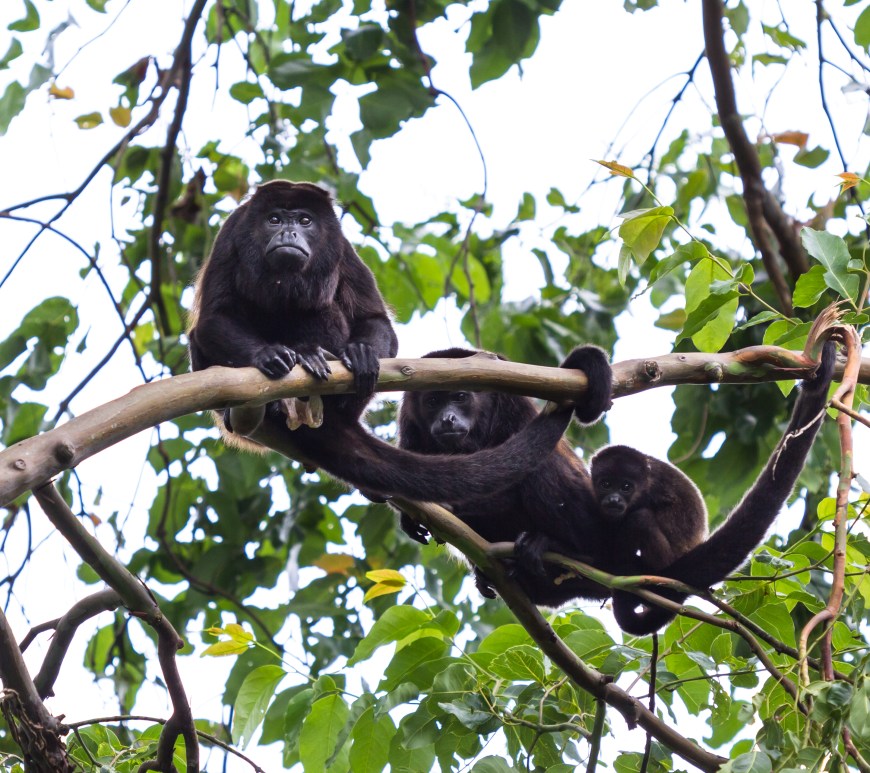
The art of doing as little as possible: What howler monkeys can teach us about energy and time

This blog post is provided by Pedro A. D. Dias and Ariadna Rangel-Negrín from the Primate Behavioral Ecology Lab, Universidad Veracruzana, México, and tells the #StoryBehindThePaper for the article “Does energy minimisation constrain behavioural plasticity? Long-term activity budgets of a model folivore–frugivore“, which was recently published in Journal of Animal Ecology. This study examined how activity budgets of mantled howler monkeys in Los Tuxtlas, México, … Continue reading The art of doing as little as possible: What howler monkeys can teach us about energy and time

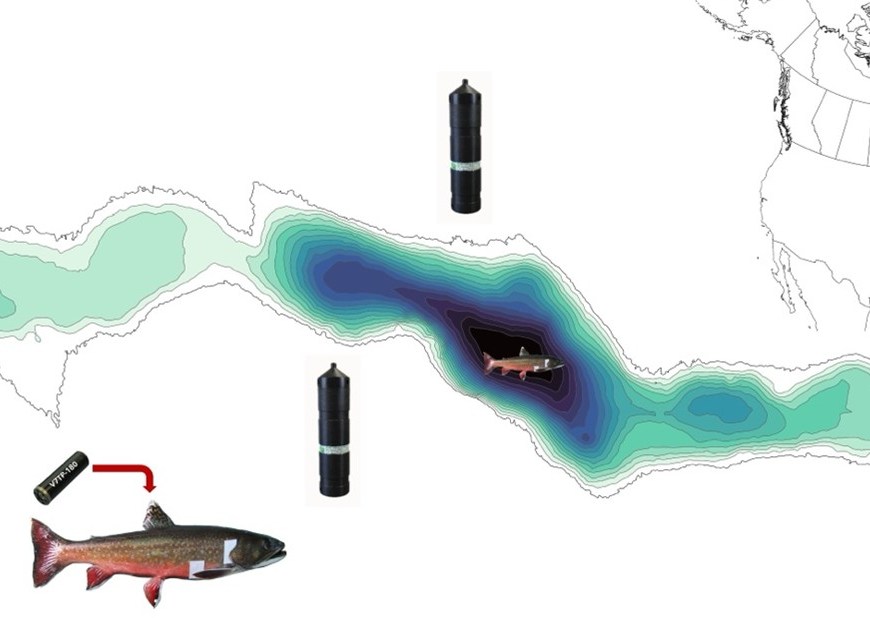
The Secret Journeys of Brook Charr: How Fish Choose Their Own Worlds Underwater

This blog post is provided by Aliénor Stahl, Marc Pépino, Andrea Bertolo and Pierre Magnan and tells the #StoryBehindThePaper for the article “Behavioural tactics across thermal gradients align with partial morphological divergence in brook charr”, which was recently published in the Journal of Animal Ecology. In their study, Stahl and colleagues reveal how the Brook charr uses thermal layers in its native lakes of Canada, … Continue reading The Secret Journeys of Brook Charr: How Fish Choose Their Own Worlds Underwater

Les voyages secrets de l’omble de fontaine : comment les poissons choisissent leurs propres mondes sous l’eau

Cet article de blog est proposé par Aliénor Stahl, Marc Pépino, Andrea Bertolo et Pierre Magnan, et raconte les #CoulissesDeLArticle pour “Behavioural tactics across thermal gradients align with partial morphological divergence in brook charr”, récemment publié dans le Journal of Animal Ecology. Dans cette étude, Stahl et ses collègues révèlent comment l’omble de fontaine utilise les couches thermiques dans ses lacs natifs au Canada, offrant … Continue reading Les voyages secrets de l’omble de fontaine : comment les poissons choisissent leurs propres mondes sous l’eau