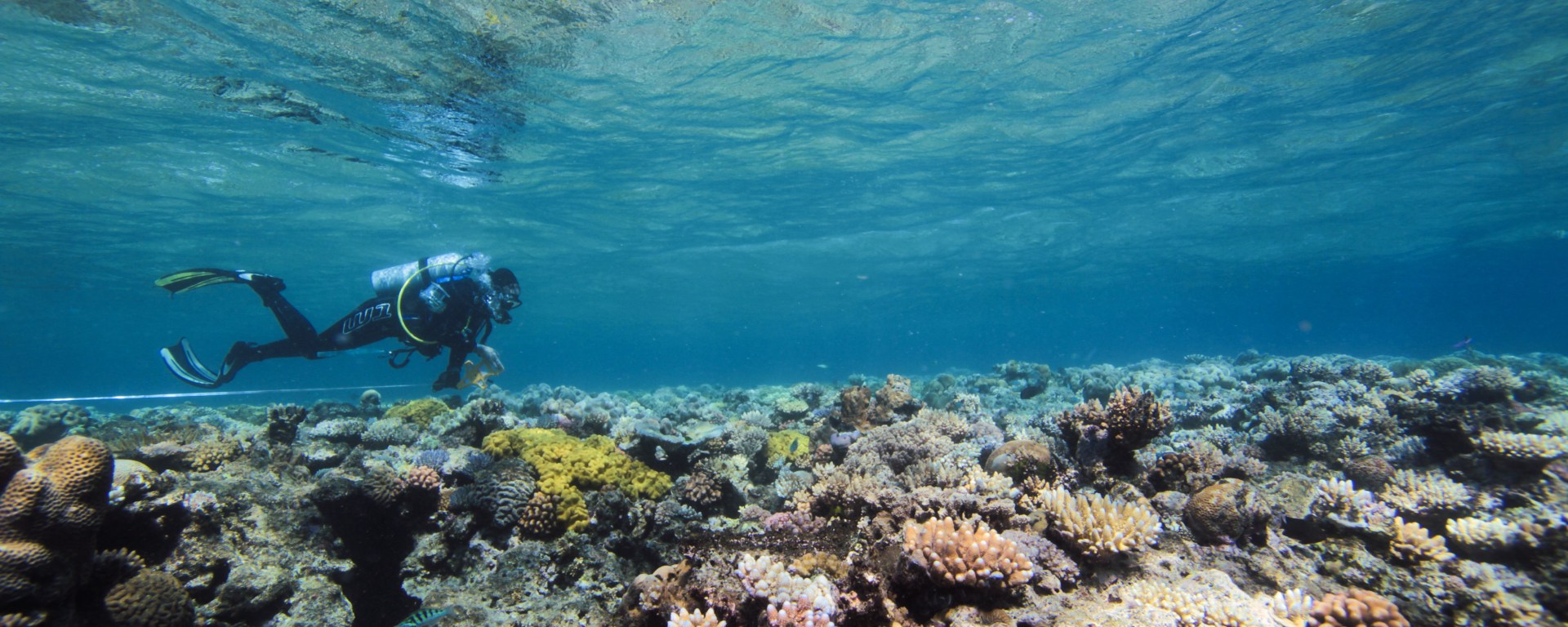
In this blog post, Dominique Roche and colleagues tell the #StoryBehindThePaper for the article “No effect of short-term exposure to ocean acidification on individual-level variation in behaviour and susceptibility to predation in a Great Barrier Reef damselfish“, recently published in the Journal of Animal Ecology. Their study looked past group averages, asking instead whether ocean acidification changes how individual reef fish differ from one another behaviourally, and whether those differences decide who survives an encounter with a predator.
A decade of dramatic findings
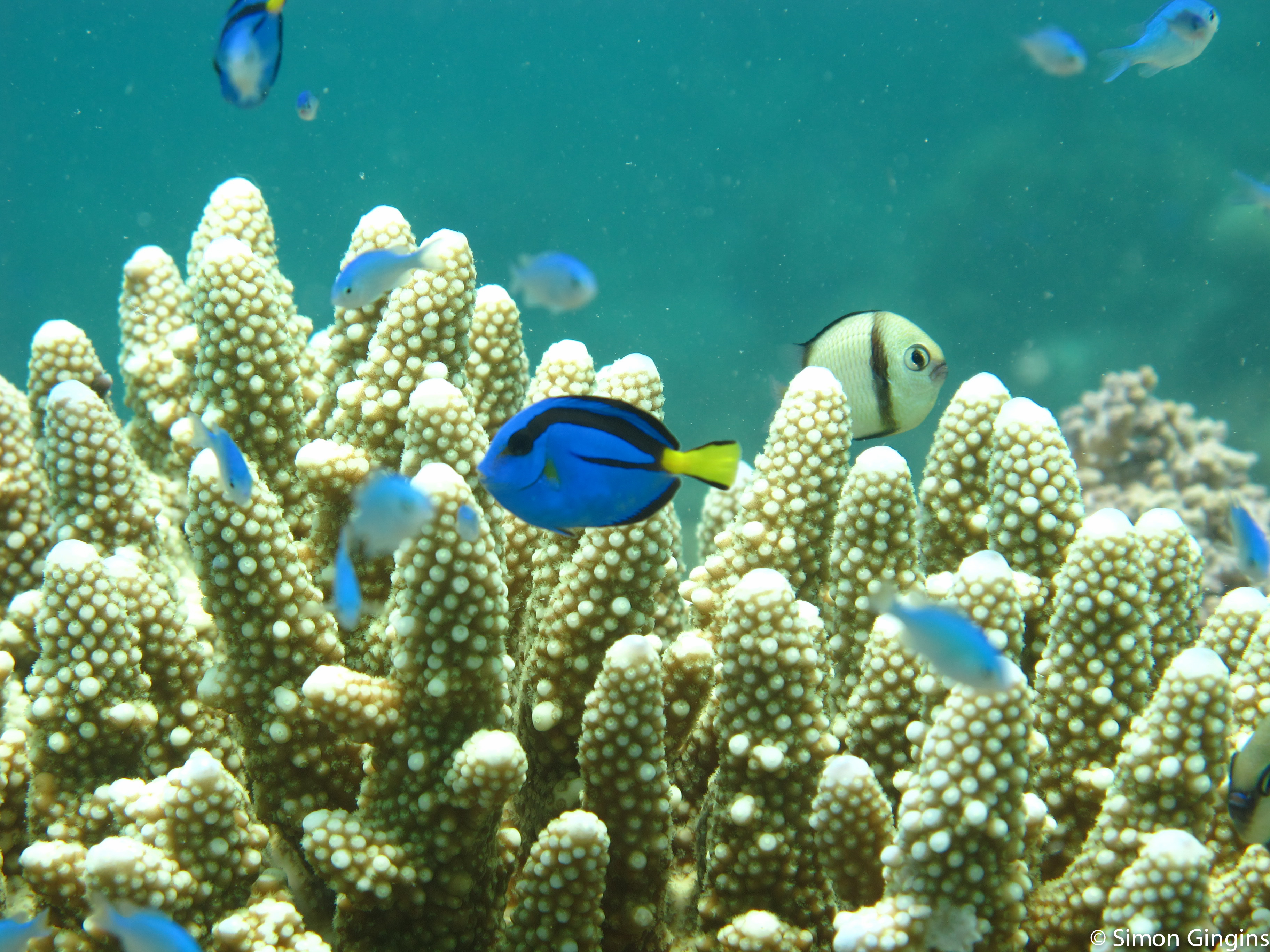
From 2009 onwards, a run of high-profile papers reported that a few days in seawater with predicted end-of-century carbon dioxide levels (~1,000 µatm) turned coral reef fishes into poor decision makers. Fish were said to swim towards the smell of their predators rather than away from it, to become hyperactive, to lose their left-right turning preference, and to disappear faster once released back onto the reef. The results were striking. They were also surprisingly clean: control and CO2-exposed groups rarely overlapped, and variation among individuals within a treatment group was sometimes close to zero.
This last detail is what motivated our study. Variation among individuals is not noise to be minimised. It is the raw material that selection acts on, and much of the reason some populations cope with environmental change and others do not.
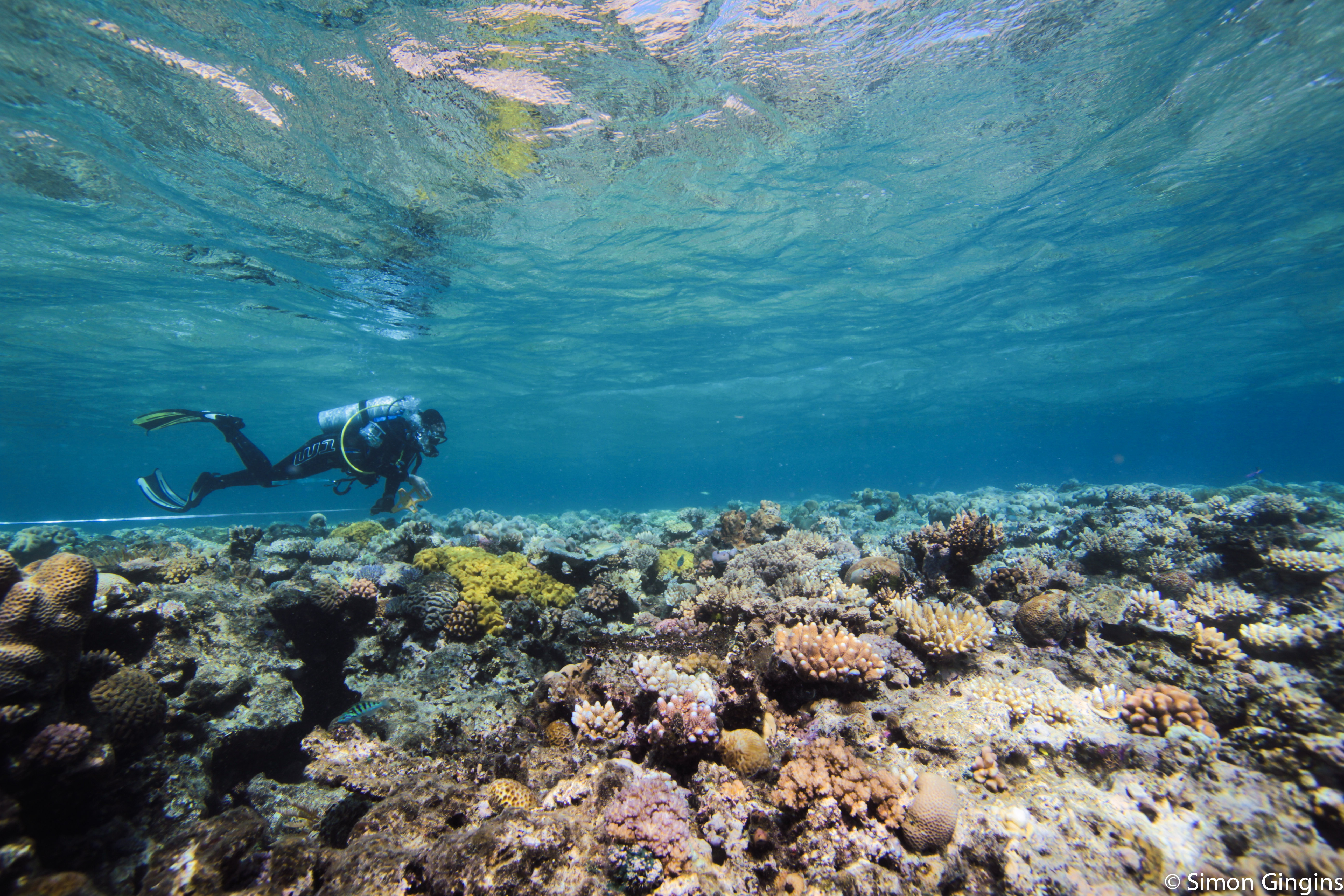
In January 2016, we all met at the Lizard Island Research Station on the northern Great Barrier Reef, as part of a broader effort to test the reported behavioural effects of ocean acidification independently. Some of that work was published in Clark et al. (2020) in Nature. Tim Clark described the long road to that paper in this blog post. Our new paper in Journal of Animal Ecology comes out of the same field season (better late than never!), and it asks a question that comparisons of group means cannot answer: does ocean acidification change how individual fish differ from one another?
Why individual differences matter
Natural selection does not act on group averages. Fish, like most animals, tend to differ in how they behave: some leave shelter quickly and explore, others sit tight. Behavioural ecologists often call persistent differences ‘animal personality’, a simpler way of saying repeatable inter-individual differences.
Two possibilities follow. If elevated CO2 affects some individuals more than others, the unaffected ones would be a starting point for an adaptive response, and identifying them and their distinctive traits is useful from a conservation standpoint. Alternatively, if elevated CO2 makes every fish behave more erratically from one day to the next, the consistent differences that selection needs would be eroded. Neither outcome is visible in a comparison of treatment means, yet most of the ocean acidification and fish behaviour literature rests on this more traditional approach.
Measuring the same fish multiple times
We worked with juvenile Ambon damselfish, Pomacentrus amboinensis, a common planktivore that is common prey to small reef predators. We placed each fish alone into an unfamiliar arena containing an unfamiliar object and filmed it for 25 minutes. From the video, we scored five behaviours: how long a fish took to leave its shelter (a PVC tube that it was transferred within), how long it stayed close to that shelter, how far it swam, how much time it spent hugging the walls, and how long it spent near the novel object.
We ran that assay twice on all 74 fish under present-day CO2 conditions for the reef (~450 µatm). We then moved half of the fish to predicted end-of-century CO2 conditions (~1,000 µatm), kept the other half in present-day conditions, and ran the assay twice more after four to six days in these treatments. Videos were scored with automated tracking software rather than by eye, and every video opened with a note showing the fish identity and trial number so that anyone can check what we did.
The analysis did something slightly unusual. Rather than testing only whether CO2 shifted average behaviour, we fitted models that simultaneously estimated whether CO2 shifted the average and whether it changed how variable each individual was around its own average.
Now comes the predator
Behaviour matters because of its fitness consequences, so we followed the behaviour assays with a live predation experiment. We paired each damselfish with a dot-head rock cod, Cephalopholis microprion, held at the same CO2 level as its prey, and filmed the two interacting together for an hour. The arena was small and the refuge structure was standardised to increase the chances that some predation events occurred, because these are quite rare and can be difficult to study in a lab setting. It’s important to keep in mind that these trials compare relative predator evasion between treatments rather than estimating true predation risk on a reef.
What we found
All five behaviours were moderately repeatable, and repeatability did not differ between the two CO2 groups. Exposure to end-of-century CO2 conditions had no detectable effect on any of the five behaviours, either on the group average or on how variable individuals were around their own average. Fish in both groups habituated to the arena in the same way across the four trials.
The predation trials told the same story. Damselfish from the two CO2 treatments had a similar probability of surviving the encounter, and predators needed a similar number of attempts to catch them. Rock cod were also less lethal than we expected. Only a handful of the damselfish that were eventually eaten were caught on the first strike, several evaded more than ten attacks, and about 15% survived the full trial.
One individual trait did predict survival. Damselfish that had spent more time inspecting the novel object, which we treat as a measure of boldness, were more likely to be eaten, and that relationship held equally in both treatments. Individual behaviour mattered for survival. CO2 did not.
A literature that is still being corrected
Our findings sit alongside a growing set of studies reporting negligible behavioural effects of ocean acidification in fishes, and alongside meta-analytic evidence of a pronounced decline effect in this literature. The apparent resilience of fish to elevated CO2 is not surprising physiologically. Fish have well-developed acid-base regulation and tolerate CO2 levels far beyond end-of-century projections.
The published record is also being formally revised. The journal Ecology Letters recently retracted one of the key early studies that helped establish the expectation of severe behavioural impairment from ocean acidification in reef fishes. Retractions are an uncomfortable part of how science corrects itself, but they matter here because the affected work is heavily cited and continues to shape reviews, models and policy framing. Correcting the record is slower and far less visible than publishing the original claim, which is one reason that reproducible research practices, including video recording, eliminating observer bias, and open data and code are worth the effort.
Where to put our efforts next
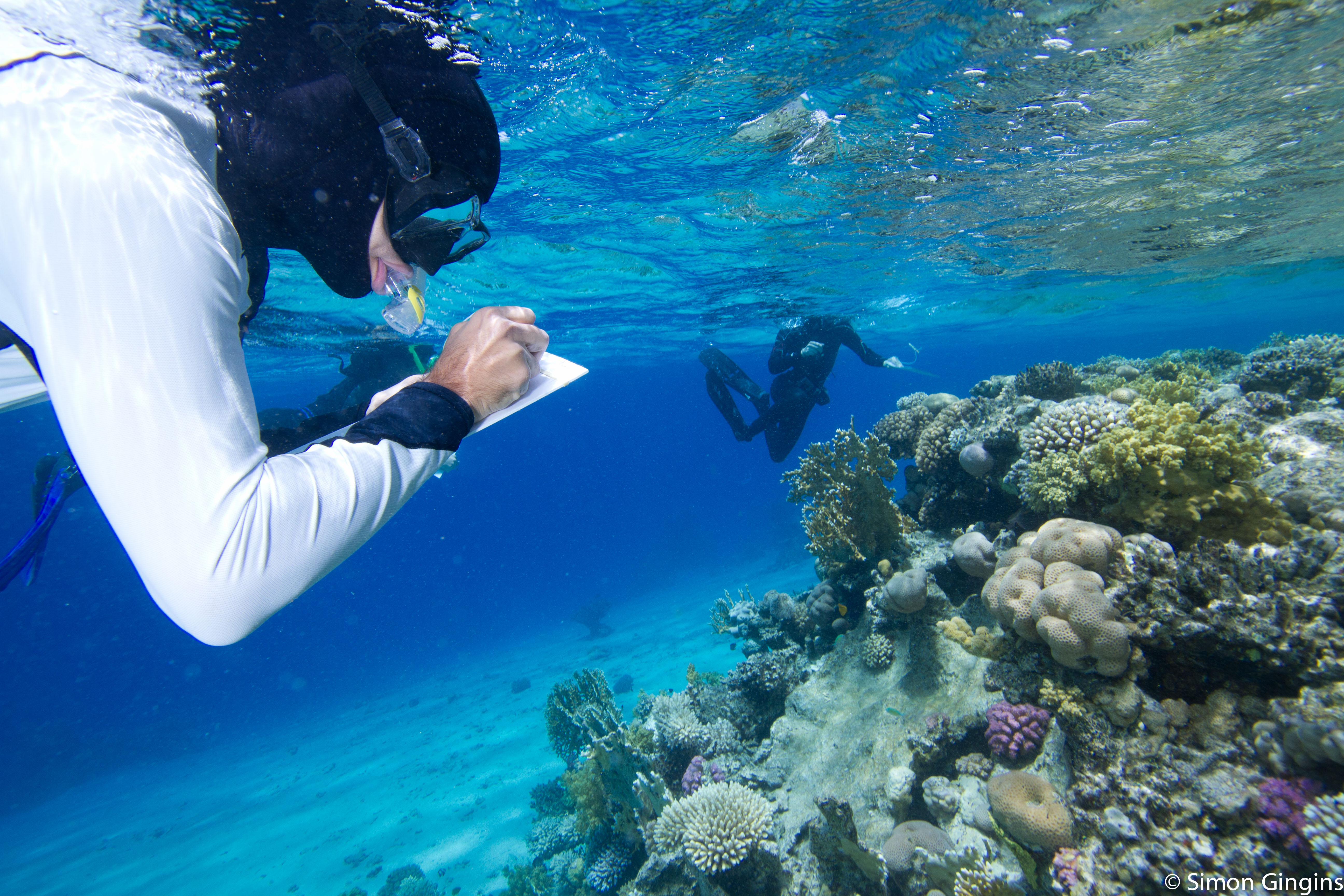
Ocean acidification is real, and its consequences for marine life, particularly for calcifying organisms, deserve serious attention. Research resources are limited, though, and they should go where the effects are most likely to be substantial. On current evidence, the behaviour of coral reef fishes is not one of those places. Ocean warming is.
There is a second lesson here that has nothing to do with CO2. Our damselfish differed consistently from one another, those differences held up under an environmental stressor, and they predicted who survived a predator. Treating such variation as a nuisance term throws away the part of the data that selection may act upon.
Read the paper here:
https://besjournals.onlinelibrary.wiley.com/doi/full/10.1111/1365-2656.70346

