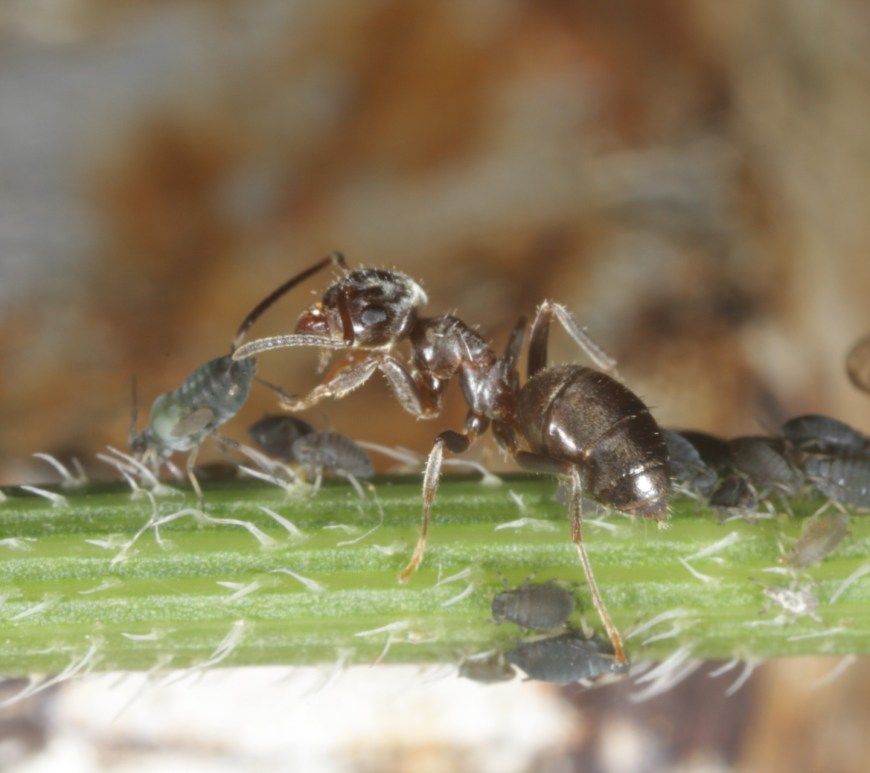
Small colonies, big environmental challenges: how the intensity and duration of heat exposure shape ant colony foraging

This blog post is provided by Rafael Carvalho da Silva, Maëlys Prost, Angélique Bultelle, and Thibaud Monnin, and tells the #StoryBehindThePaper for the article “Effects of heat stress on the foraging activity of incipient ant colonies”, which was recently published in Journal of Animal Ecology. In their study, da Silva and colleagues explored the impacts of prolonged heat exposure on the foraging activities of black garden … Continue reading Small colonies, big environmental challenges: how the intensity and duration of heat exposure shape ant colony foraging

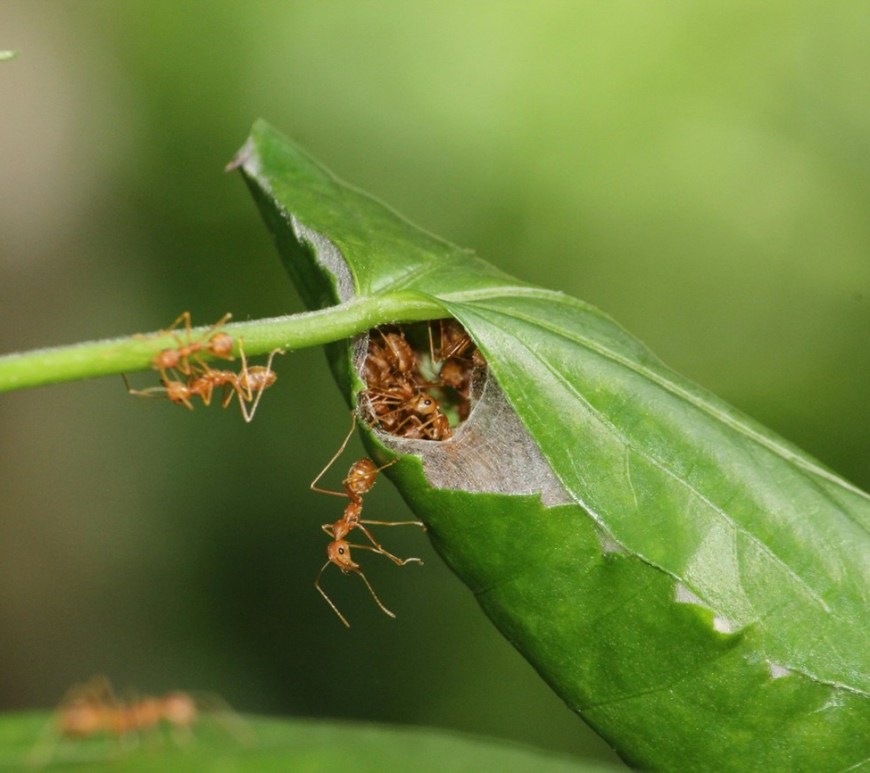
A rule for ant colony metabolism… Or many

This blog post is provided by Pedro Pequeno and Douglas Glazier and tells the #StoryBehindThePaper for the article “Divergent evolution of colony-level metabolic scaling in ants”, which was recently published in the Journal of Animal Ecology. In their study, Pequeno and Glazier investigate variation in the metabolisms of ant colonies, revealing similar metabolic principles to those observed at the individual level. Metabolism and body size: … Continue reading A rule for ant colony metabolism… Or many

Penguin niche-partitioning resilient to climate change

Competition for limited food resources can be particularly fierce where similarly-related species overlap. Harriet L. Clewlow is a PhD student based at the British Antarctic Survey and linked with University of Exeter and WWF (World Wide Fund for Nature). Her research investigates how climate change is altering interactions between sympatric Antarctic penguin species and predicting their responses to future climate scenarios. Competition is a widely studied … Continue reading Penguin niche-partitioning resilient to climate change