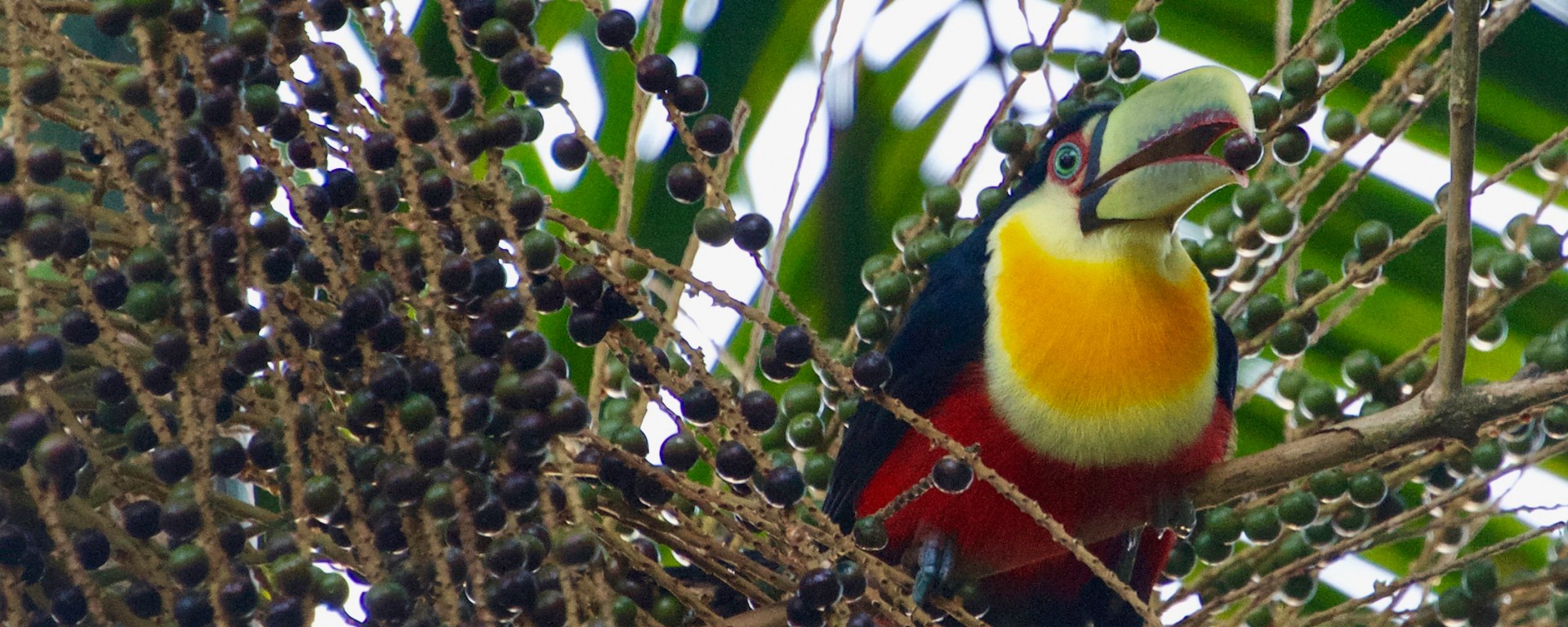
This blog post is provided by M. Florencia Miguel and colleagues and tells the #StoryBehindThePaper for the article, “Species loss alters the mesoscale structure of mutualistic networks”, which was recently published in the Journal of Animal Ecology. In their study, M. Florencia Miguel and colleagues shed new light on the patterns of species loss, exploring how these losses can shape network structure at the mesoscale.
Biodiversity loss often translates into numbers: how many species have disappeared, how many remain, and how rapidly populations decline. But ecosystems transcend simple species lists; they represent networks of interactions. For instance, plants depend on pollinators and seed dispersers to complete their life cycles, while those animals depend on plants for food. Such interactions weave the fabric of ecological communities, leading us to wonder what happens to that fabric as species and interactions disappear.
Looking beyond species loss
Our research emerged from a pressing ecological concern: species disappear at an unprecedented rate, and their interactions may vanish even faster. Habitat destruction, land-use change, overexploitation, and the introduction of non-native species rank among the primary human-driven pressures pushing species and their interactions toward extinction. All this sounds bad—but how bad, and in what specific ways, remains an open and urgent question. Part of the answer may lie not only in which species disappear, but also in how their loss reshapes the interaction networks that hold communities together.
Ecologists have long mapped interaction networks, which depict who interacts with whom in an ecosystem. Such networks lend themselves to analysis at multiple scales, from individual species and their interactions to the entire community. Between these two extremes lies a largely unexplored level: the mesoscale, formed by recurring interaction patterns among small groups of species, known as motifs. These motifs stack together to build complex ecological networks.
Old data tell new stories
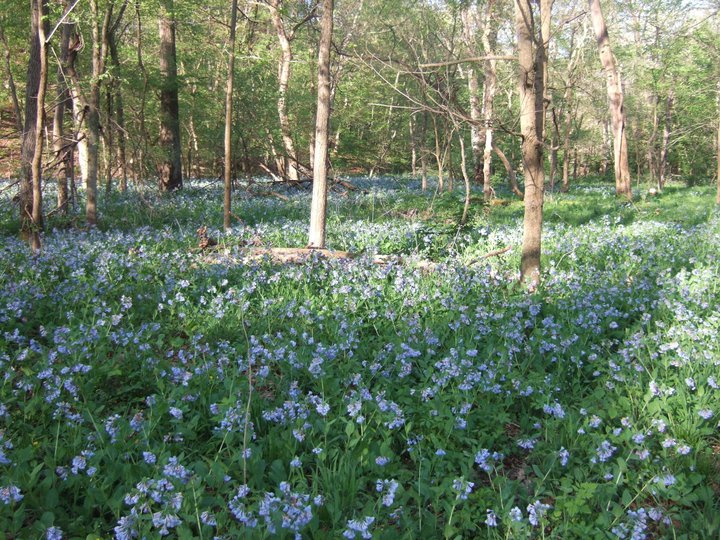
We analyzed two previously published ecological networks on plants and their animal partners. One dataset focused on plant-bee interactions from a grassland in Carlinville, Illinois, USA, comparing interactions recorded in the early 20th century with those observed over a century later. The other dataset depicted plant-seed disperser interactions from Atlantic Forest fragments in Brazil, where the number of bird species varies widely across forest fragments.
In both study systems, one pattern stood out: the species that disappeared were disproportionately specialists—animals with narrow diets or habitat requirements. This observation led us to wonder what happens at the mesoscale.
To address this question, we recorded motif frequencies—how often each interaction pattern among two to six species appeared in the networks—and tracked the positions occupied by species within motifs. We then compared observed changes against null models—computer simulations that allow testing the role of ecological processes suspected to drive observed ecological patterns.
Extinctions jumble the mesoscale
The short answer: species loss reshapes network structure at the mesoscale. But this change came about in an unexpected way.
We initially predicted that the smallest and simplest motifs—those representing the most basic specialized interactions—would be most sensitive to specialist extinctions. They weren’t. Instead, the most dramatic changes were concentrated in the largest, most complex motifs, involving five or six species. We also observed that species tended to swap interaction partners within motifs. These shifts depended on local context: how many partners a species had, or on which plants and animals coexist in the same site.
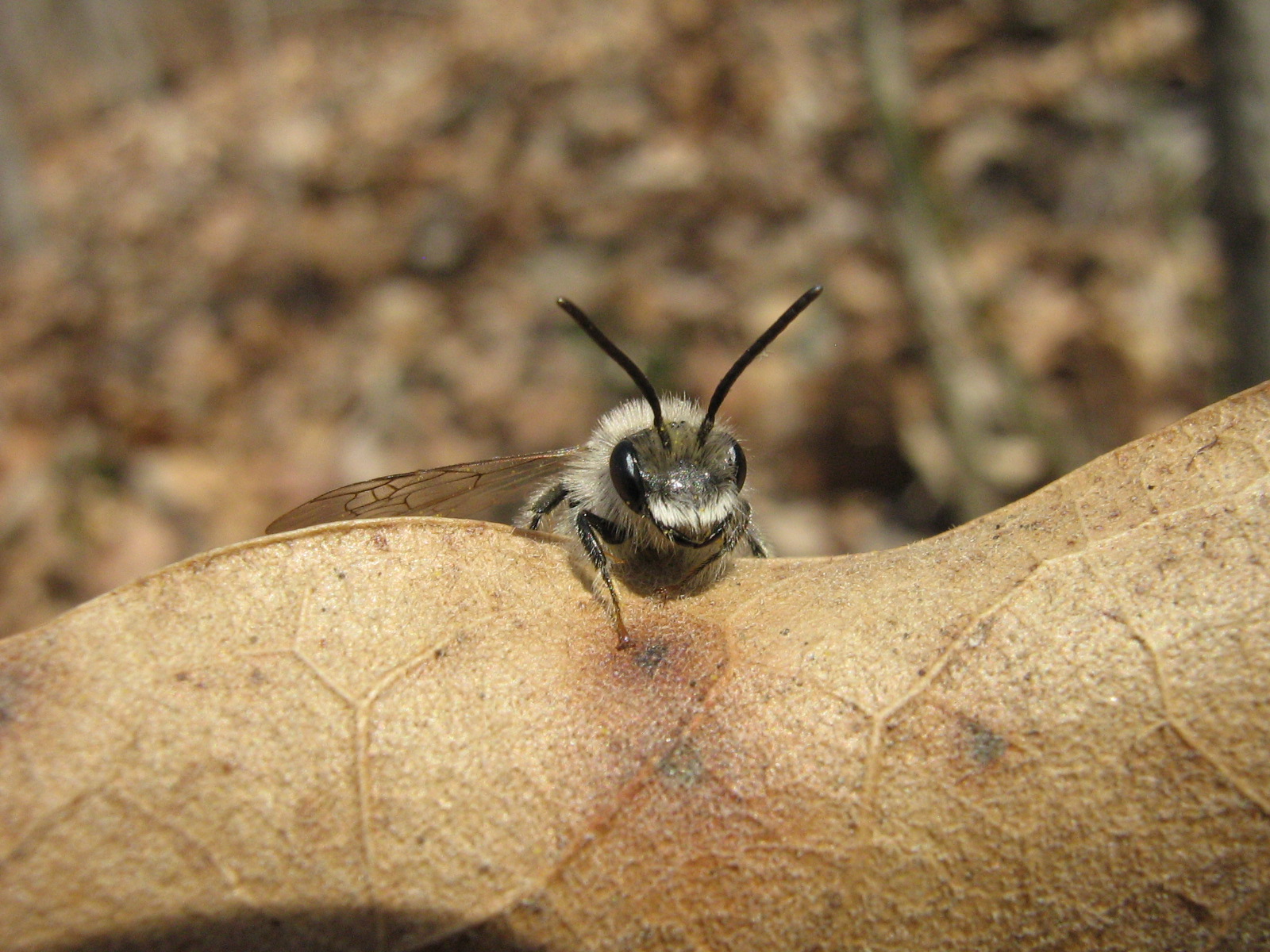
In the Illinois plant-bee network, a loss of over 60 bee species over a century led to surprisingly small changes in the mesoscale structure. None of our null models could reproduce this stability: they all predicted far greater disruption than we actually observed. This result suggests that real ecological communities buffer change better than our models assume. Species likely face strong constraints when forming new interactions, imposed by morphology, the timing of flowering, fruiting, and animal activity, and the limited ability of generalist species to cope with environmental change.
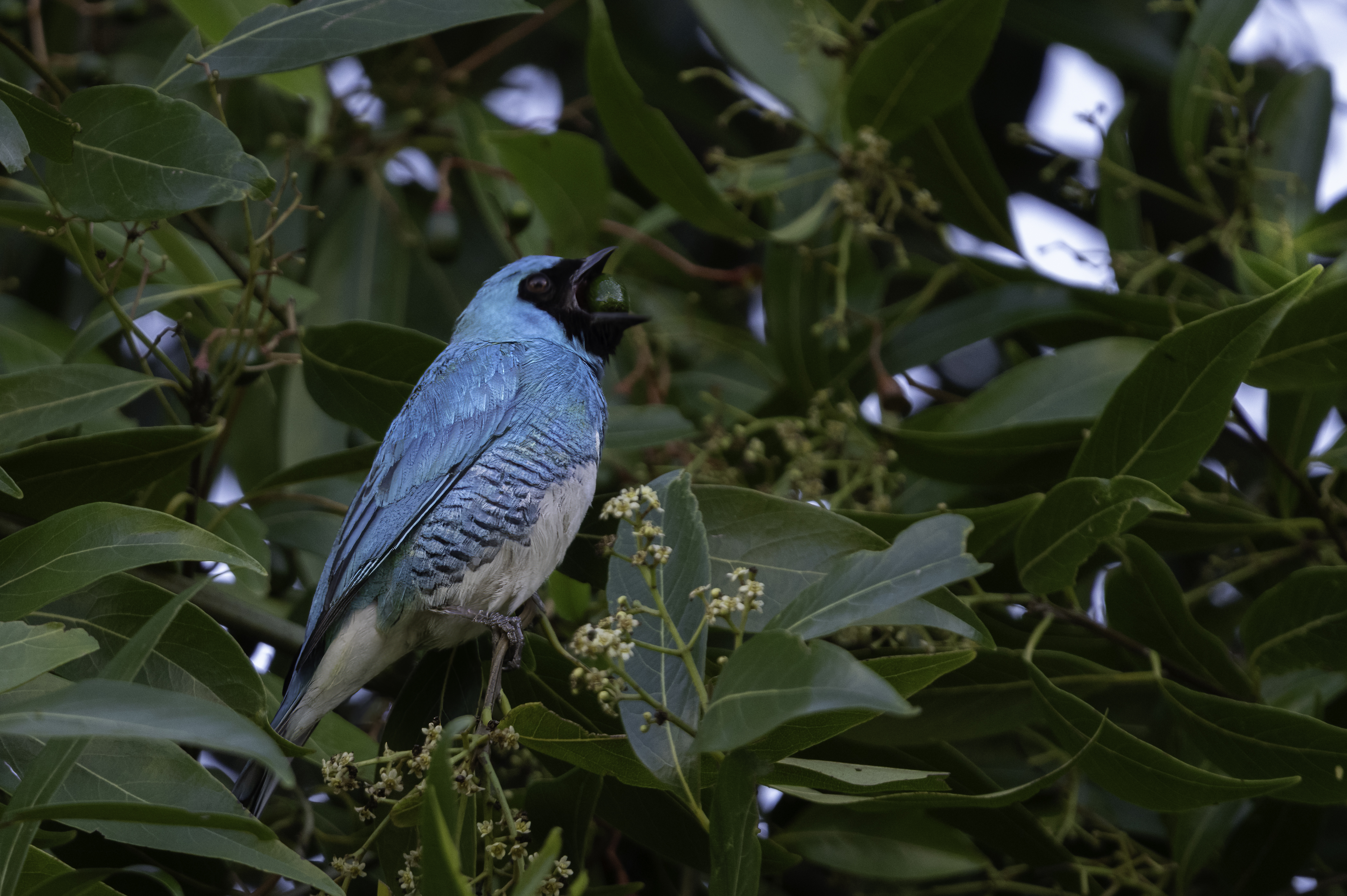
The Brazilian plant-seed disperser networks told a different story. Motif frequencies varied substantially across forest fragments, and that variation was strongly tied to the number of plant and bird species in each fragment. Our null models indicated that the observed change in motif frequencies could come from the local extinction of specialized animal species, and from the ability of the remaining species to switch to different interaction partners after the loss of their original partners.
The above results point to a key insight: mesoscale structure depends not only on who is lost, but also on how the remaining species respond.
Insights from the mesoscale
Our results demonstrate that biodiversity loss triggers non-random structural reorganization at the mesoscale. The network doesn’t just get smaller. It gets restructured.
This network restructuring carries important implications for ecological understanding and management for biodiversity conservation. The relative stability of plant-pollinator networks may suggest some buffering of pollination services even as specialist bees disappear. But the higher variability in motif frequencies in seed dispersal networks hints at more unpredictable outcomes for plant recruitment and forest regeneration across fragmented landscapes—precisely where conservation decisions must be made.
Looking ahead
Although our study has provided key insights into the restructuring of ecological networks following species loss, it remains unclear whether a restructured network continues to deliver the same ecosystem services, or whether tipping points exist beyond which buffering breaks down. In a time of rapid environmental change, understanding how ecosystems reorganize becomes more important than ever. By looking into the “hidden architecture” of ecological networks, we hope to contribute to a better understanding of how ecosystems reorganize under biodiversity loss.
Read the paper
Read the full paper here: https://doi.org/10.1111/1365-2656.70280
Authors: M. Florencia Miguel, Pedro Jordano, Laura Burkle, Carine Emer, and Diego P. Vázquez

