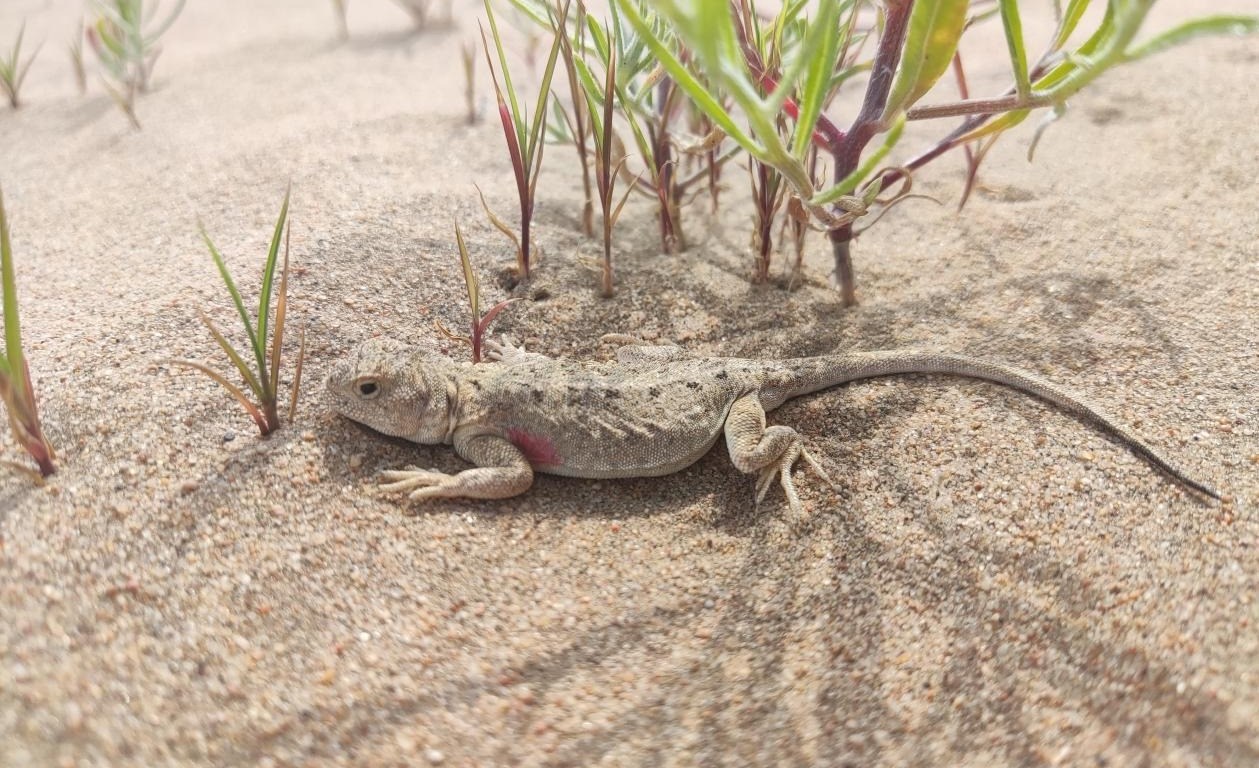
This blog post is provided by Qiong Zhang and tells the #StoryBehindThePaper for the article “Sex-specific responses to warming: A longitudinal study linking life-history variation to telomere dynamics, telomerase expression and oxidative stress“, which was recently published in Journal of Animal Ecology. This study examined how climate warming influences sex-specific life history trajectories of toad-headed agamas by monitoring growth, survival, telomere dynamics, telomerase expression, and oxidative status during development.
Months of stillness that hold a longitudinal study together
No longitudinal field study can ever be untangled from the months of quiet, immersive time spent out in the field. The field campaign that underpins this paper unfolded across four full months, from June right through to the end of September 2024. Fieldwork is often romanticised for its endless novelty, sweeping vistas, crisp open air and a lifetime’s worth of unscripted adventures — but few speak of the quiet weight of long days in remote sites: the slow, creeping monotony of repeated routines, the tedious stretches of unchanging work, and the soft, persistent loneliness that settles in when weeks stretch far away from familiar faces.
Fur, focus, and lizards: the quiet friendship we found in the field
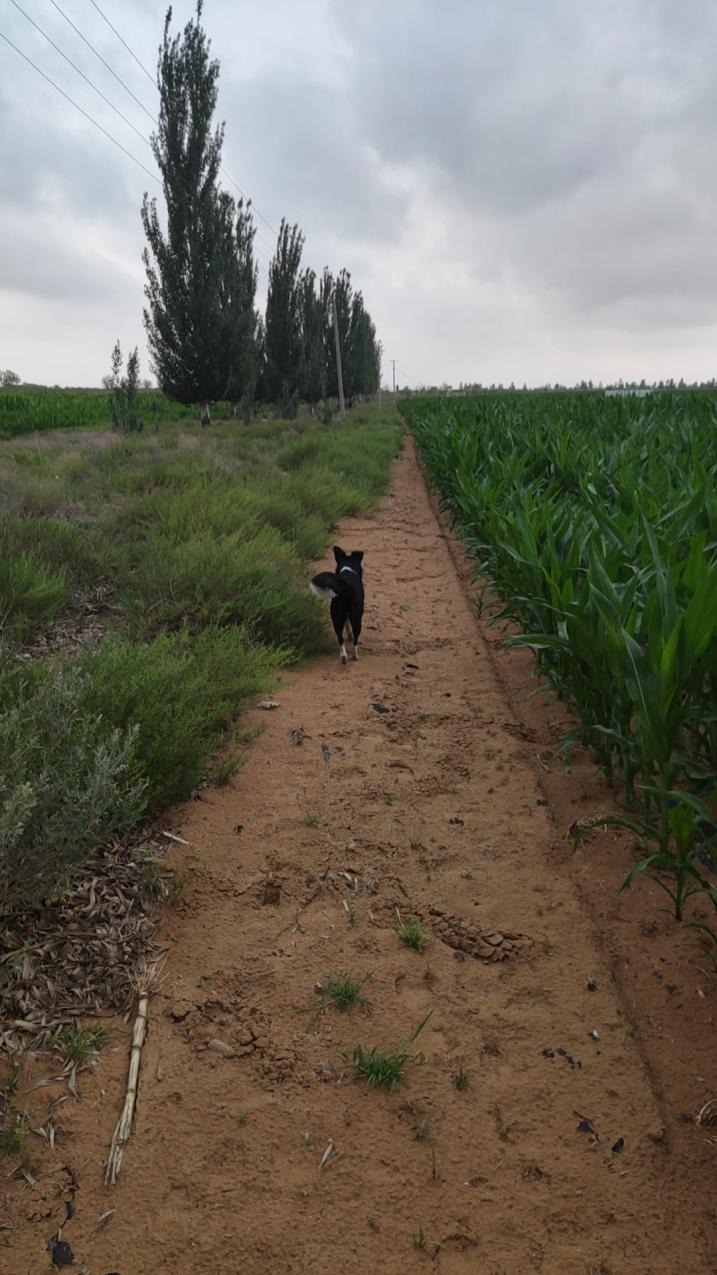
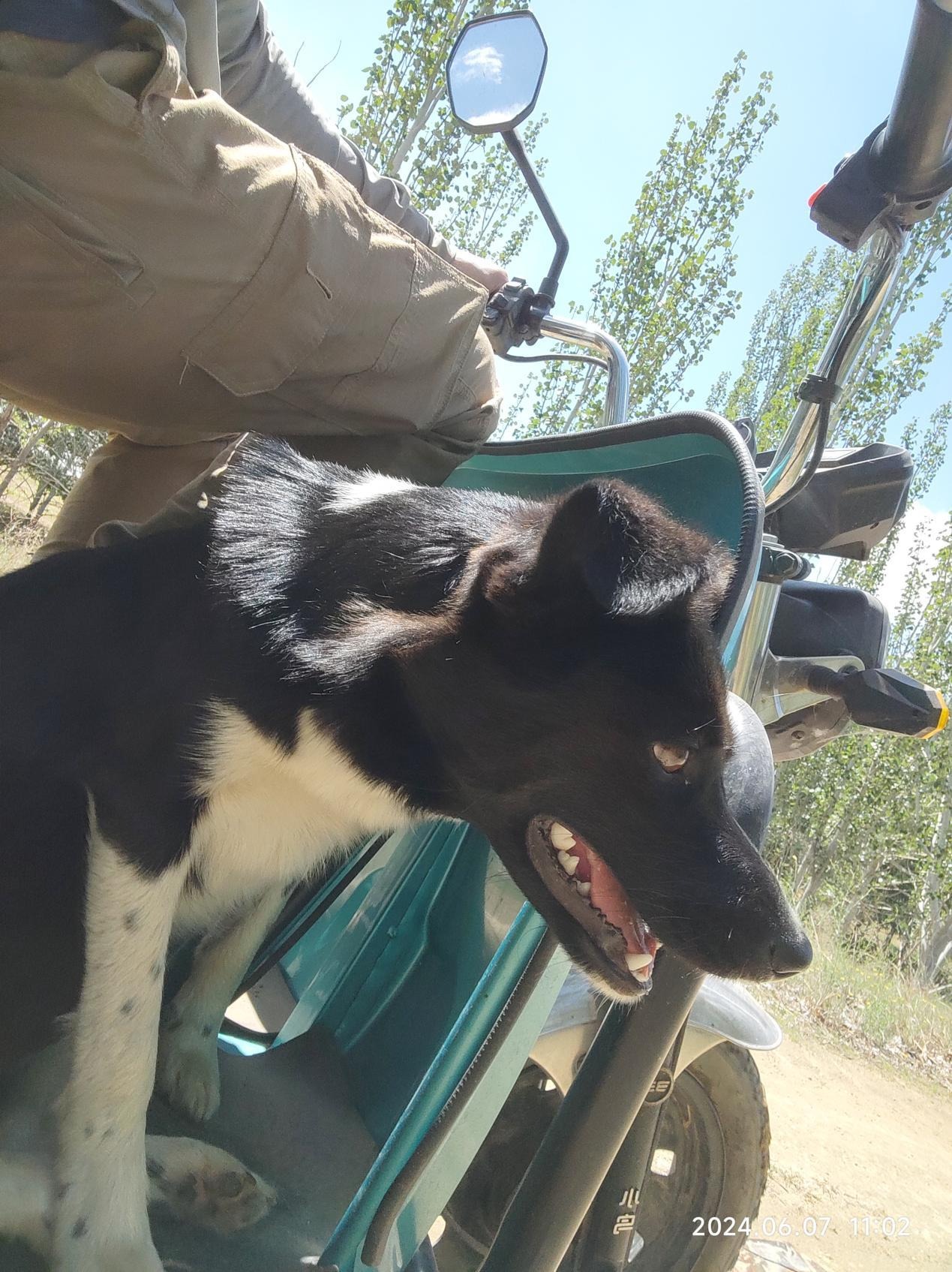
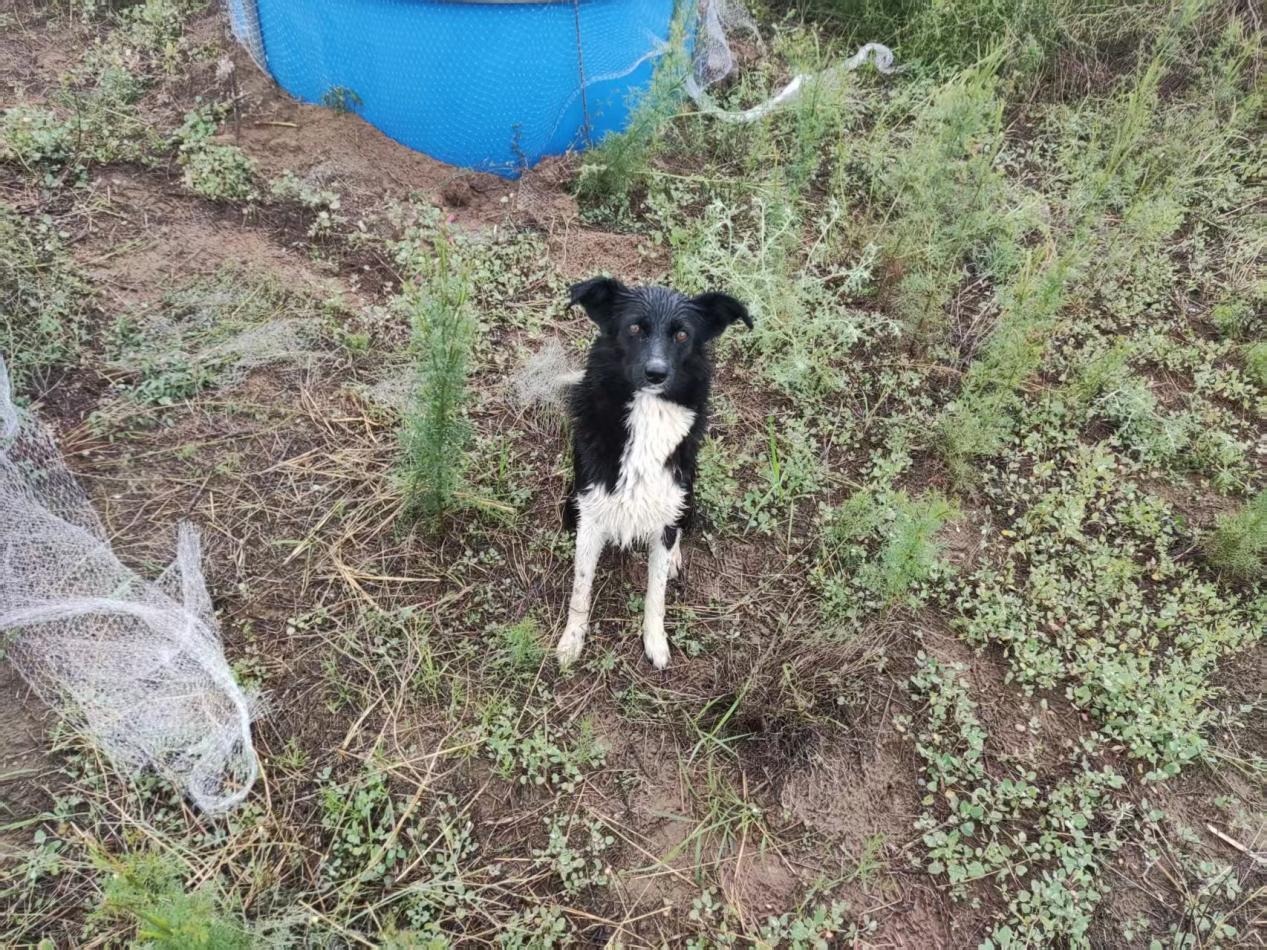
Yet somewhere along those sun-scorched transects, we stumbled upon a friend who would stitch warmth into every one of those long days. She was a scruffy black-and-white dog, whom we first crossed paths with mid-mission, as we carefully moved lizards into our open-top outdoor chambers. It was one of those rare, wordless connections that feels like a reunion rather than a first meeting. She soon revealed herself to be our most unexpectedly brilliant field assistant: her eyes and nose far keener than ours at picking out the faint flicker of a lizard slipping through the grass, her movements quick and sure as she tracked them without ever startling them. Most remarkably of all, she never once harmed a single lizard. It felt less like luck, and more like some quiet, unspoken understanding — as if she knew exactly what these small, skittish creatures meant to our work.
The quiet companion who wove herself into our field team
Every dawn, she fell into step beside us as we walked out to the chambers to take care of our lizards. Every dusk, she would trot at our heels as we cycled back to the field base. Through blistering midday heat, sudden summer downpours, dust-laden winds and the sharp, unforgiving glare of sun, she never strayed more than a quiet step away. Long before we noticed it happening, she had woven herself into the very heart of our small field team: our most constant, uncomplaining, fiercely loyal companion. This study carries a little piece of her quiet, steady dedication in every line — and so we wanted to pause, here, to give our thanks properly, to this dearest, most faithful of friends.
A few short sentences to introduce yourself:
Qiong Zhang, my main research focus is the physiological ecology of reptiles. I have long been engaged in studies on the ecological adaptability of lizard species under extreme environments. In particular, I have carried out 15 consecutive years of research on the desert toad-headed agama (Phrynocephalus przewalskii) in the Shi’erliancheng region of Ordos Plateau, Inner Mongolia. My work deeply explores how climate warming affects the growth, survival, energy metabolism, oxidative stress, telomere and telomerase dynamics, and immune levels of lizards, as well as the differentiated performance and underlying mechanisms of these life-history traits and physiological indicators across different life stages and between different sexes.
Read the paper here:
https://besjournals.onlinelibrary.wiley.com/doi/abs/10.1111/1365-2656.70342
About the author:
Qiong Zhang – my main research focus is the physiological ecology of reptiles. I have long been engaged in studies on the ecological adaptability of lizard species under extreme environments. In particular, I have carried out 15 consecutive years of research on the desert toad-headed agama (Phrynocephalus przewalskii) in the Shi’erliancheng region of Ordos Plateau, Inner Mongolia. My work deeply explores how climate warming affects the growth, survival, energy metabolism, oxidative stress, telomere and telomerase dynamics, and immune levels of lizards, as well as the differentiated performance and underlying mechanisms of these life-history traits and physiological indicators across different life stages and between different sexes.

