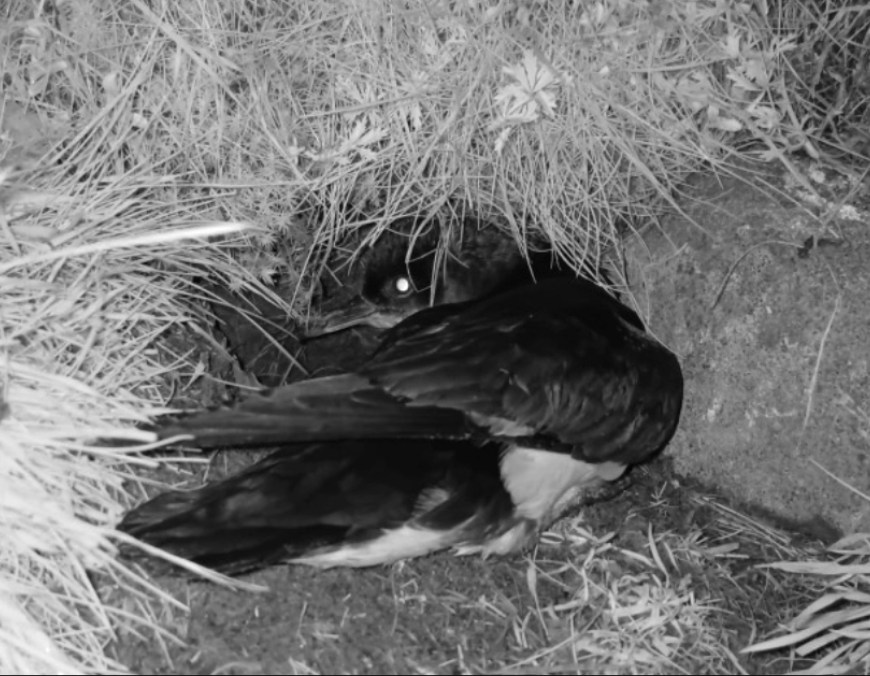
Why don’t all birds lay early? What makes a Manx Shearwater early or late?

This blog post is provided by Katrina Siddiqi-Davies and tells the #StoryBehindThePaper for the article, “Why don’t all birds lay early? Causes and consequences of breeding timing for a long-lived migratory seabird“. This study investigated why some birds consistently return to their breeding colonies and lay their eggs earlier than others, finding that individual differences in migration timing, breeding partners and seasonal food availability all … Continue reading Why don’t all birds lay early? What makes a Manx Shearwater early or late?

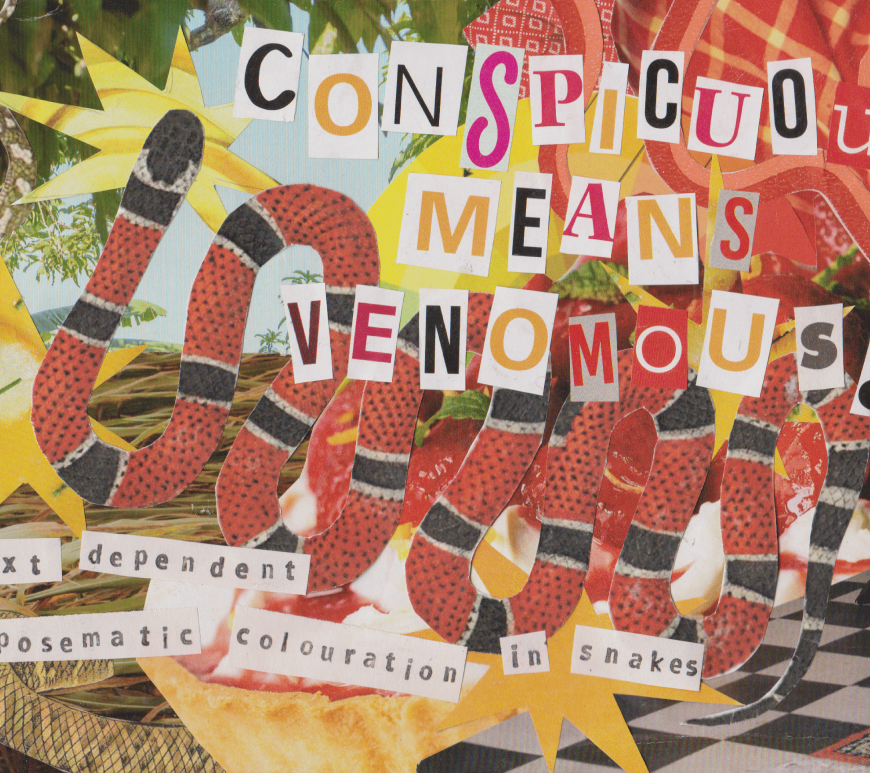
A Fair (Enough) Warning: Contextually Conspicuous Snake Species Are More Likely to Be Venomous!

This blog post is provided by Amy Duclaux and tells the #StoryBehindThePaper for the article, “Contextually conspicuous species are more likely to be venomous: Habitat-dependent aposematic colouration found throughout snakes”, co-authored with Michel Dugon and Kevin Healy. This study explored whether venomous snakes are more likely to stand out from their natural environments, finding links between venom, conspicuous colouration, red colouration and banded patterns. Born … Continue reading A Fair (Enough) Warning: Contextually Conspicuous Snake Species Are More Likely to Be Venomous!

Credit: Grégoire Delanos, Recherche sans filtre, Sorbonne Université, 2024.

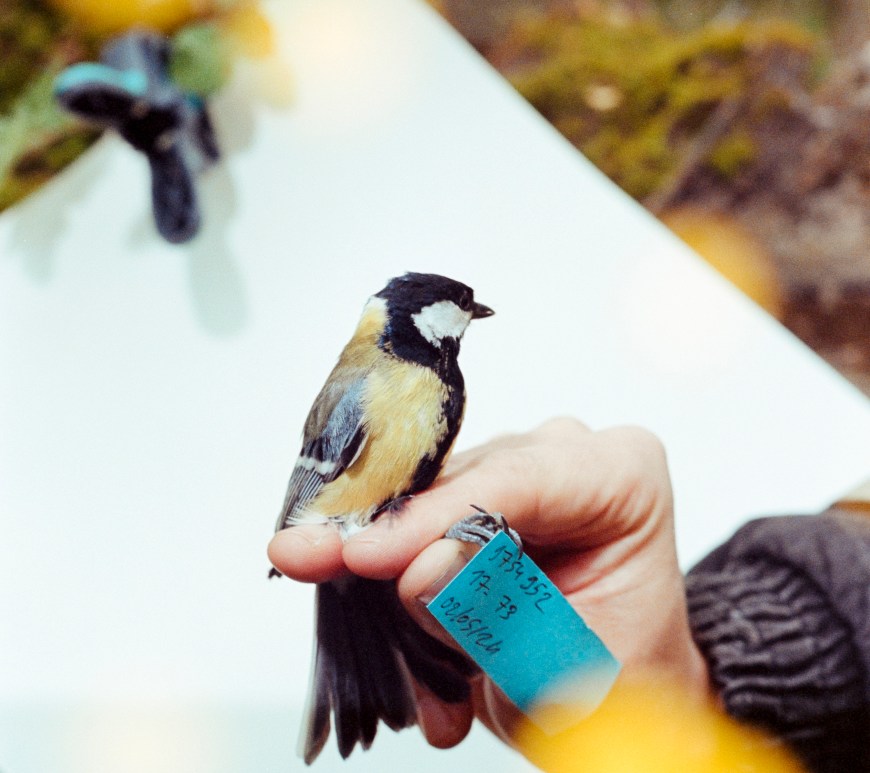
Paler within the city: Across Europe, great tits (Parus major) are paler in more impervious neighbourhoods.

This blog post is provided by Nicolas Bekka and tells the #StoryBehindThePaper for the article “Paler within the city: carotenoid-based colouration covaries negatively with the proportion of impervious surface in great tit (Parus major) territories across Europe”, which was recently published in Journal of Animal Ecology. In their study, Bekka and colleagues explore how fine-scale urbanisation shapes plumage colour in great tits across six European … Continue reading Paler within the city: Across Europe, great tits (Parus major) are paler in more impervious neighbourhoods.

The clock matters when we study pollination

This blog post is provided by Caio S. Ballarin and tells the #StoryBehindThePaper for the article, “Optimising daily sampling of plant–bee interaction networks”, which was recently published in the Journal of Animal Ecology. This study tracked plant-bee interaction networks throughout the day, revealing how interactions shift from dawn to dusk. They provide a framework to optimise sampling strategies that capture ecological network structure more accurately and … Continue reading The clock matters when we study pollination

Who is next in line? Predicting which Red Sea fish will invade the Mediterranean Sea

This blog post is provided by Shahar Chaikin and tells the #StoryBehindThePaper for the article, “Native habitat affinities predict fish invasions with post-invasion habitat shifts”, which was recently published in the Journal of Animal Ecology. This study tracked fish populations within their native Red Sea range and into their invaded Eastern Mediterranean range, revealing traits that drive invasion success and highlighting how pre-invasion adaptations can better … Continue reading Who is next in line? Predicting which Red Sea fish will invade the Mediterranean Sea